
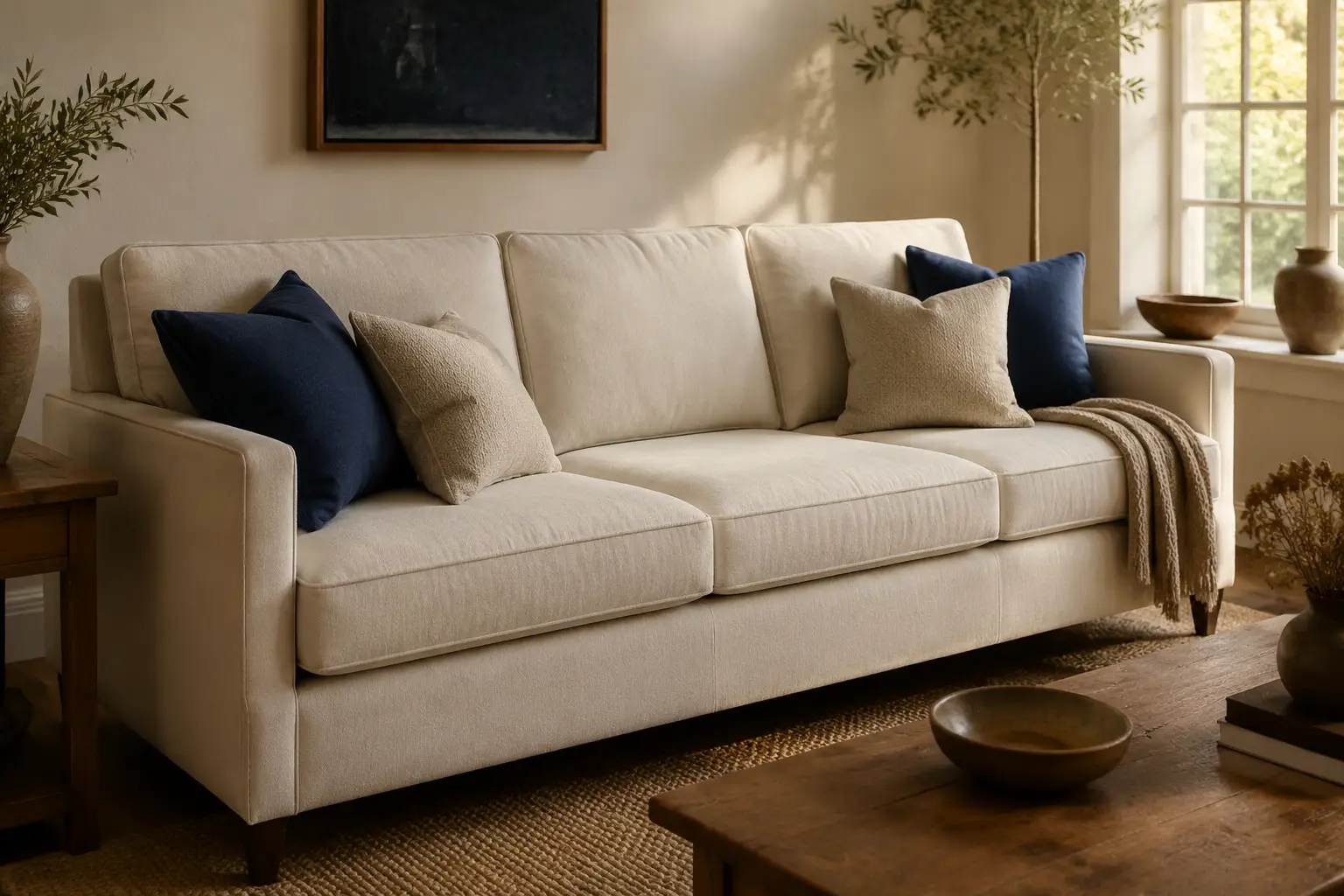
Couch foam cushions, cut to your exact size
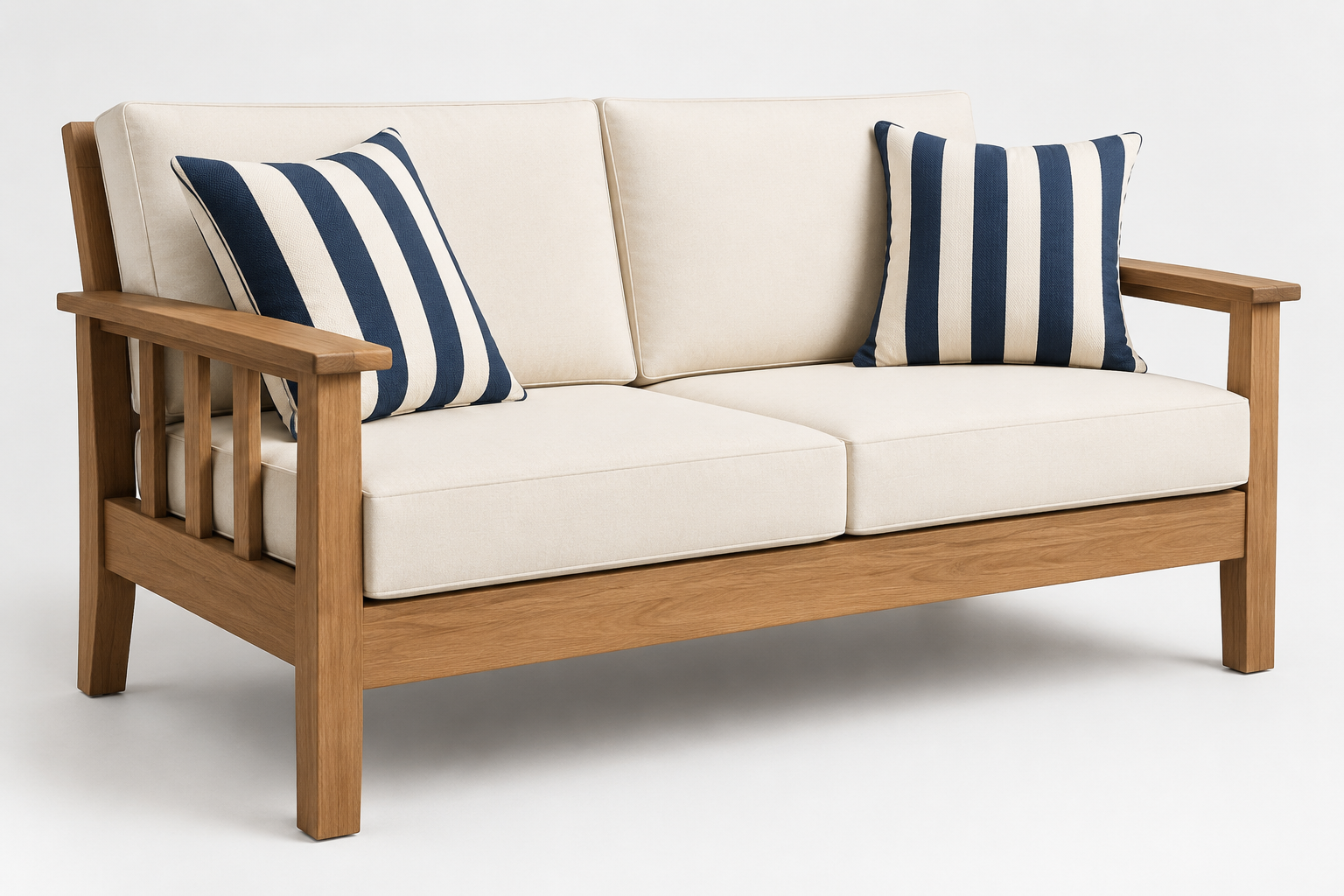
Yes — you can buy the foam alone. Couch foam cushions here means replacement foam cores cut to your measurements: the block that goes inside the cover you already own. When a couch sags, the frame is fine and the covers are fine; the foam inside is dead, and dead foam is the cheapest layer to replace. We cut seat cores, back cores, notched T-cushion outlines and matched sets — one production run, so every block in the set carries the same density and the same loft.
This is the refill lane of cushion replacement. If your covers are as tired as the cores, the same measurements can price full replacement cushions (new foam plus new covers, sewn to your numbers) — that is a different product page. Furniture that lives outside takes the same refill logic on the replacement patio cushions page. This page is for the sofa foam itself: open the customizer — rectangle preselected →, enter your block dimensions, pick a density, and mark the order foam-only.
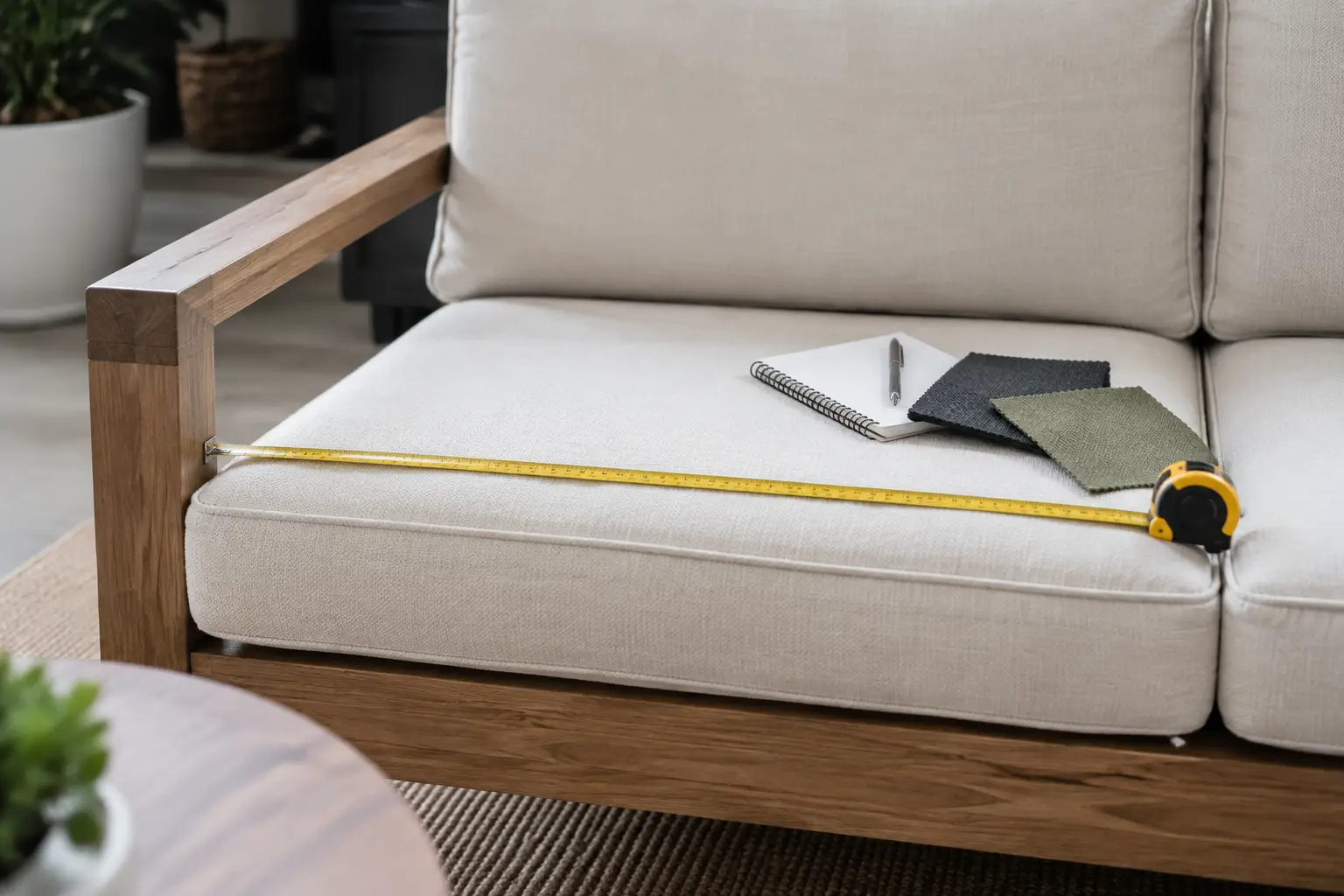
Cut to your numbers in four densities (35D, 50D, 60D, 65D), thicknesses from 2″ to 8″, any rectangular or notched outline — nothing is cut until your measurements are confirmed.
Pricing — foam rates by density, published up front
A replacement foam core starts at $135 for a standard 24 × 24 × 5″ seat block. The formula is $45 make-base plus area at a foam rate fixed by density and thickness — the same arithmetic for every block, published here so you can check the math before you order.
*$45 make-base + 4.0 sq ft × the density rate. Rates are published snapshots — the customizer quotes your exact dimensions live. Loveseats and three-seat couches are per-block multiples; the whole density ladder from 35D to 65D adds about $16 to a standard seat block.
For comparison: the same 24 × 24 × 5″ block as a full custom sofa cushion — new foam, new cover, sewn — runs $168 in 50D. When the covers are sound, the foam-only core does the same job for $30 less — precisely the cover and sewing you skip. That arithmetic is why we sell the lanes separately instead of bundling every order into a full cushion.
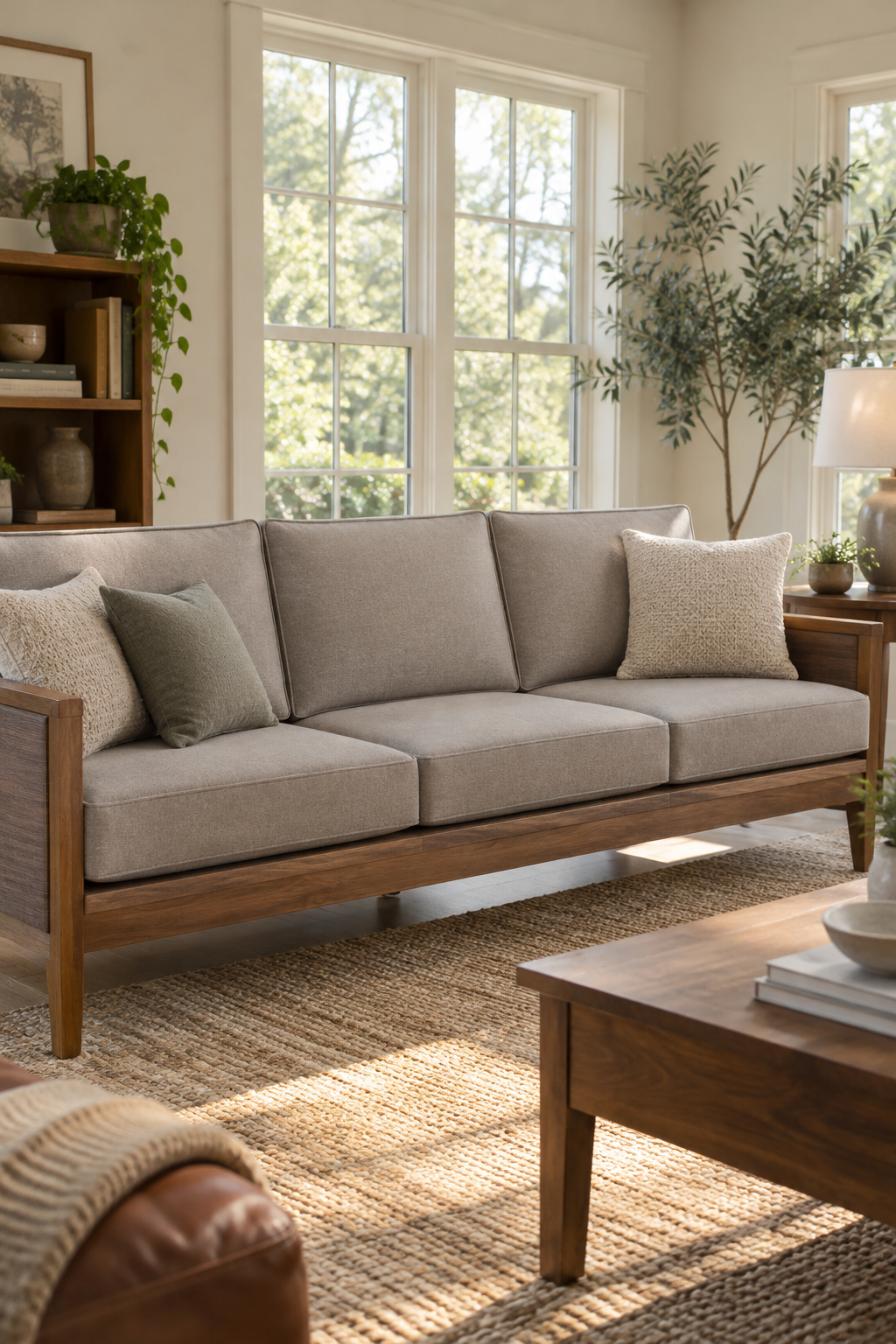
Choose your density: 35D, 50D or 60D
Density is the lifespan spec, so pick it by how the couch is used — hours and body weight, not budget. A higher density does not mean a harder seat (density and firmness are independent specs); it means more polymer per cubic foot, which means more years before the block dishes. The front edge of a seat is where light foam fails first.
*Service lives are industry rules of thumb, not laboratory promises — hours, body weight, humidity and sun all move them. The full grade-by-grade walkthrough, including the three-question shortcut below, is in our foam density myths walkthrough.
Three questions pick the grade:
- How many hours a day does it get sat on? Under an hour — 35D clears. One to four hours — 50D. From dinner through midnight — 60D. A bench sat on briefly but daily still counts as daily.
- Who sits on it? Load ages foam faster than the clock does; heavier sitters or a tall household should take the hours answer up one grade. It is the single cheapest durability decision in the order.
- When the answers split between two grades, take the higher one. The whole ladder costs about $16 on a standard seat; a re-do costs the project. Still unsure — 50D, the grade our order desk quotes by default.
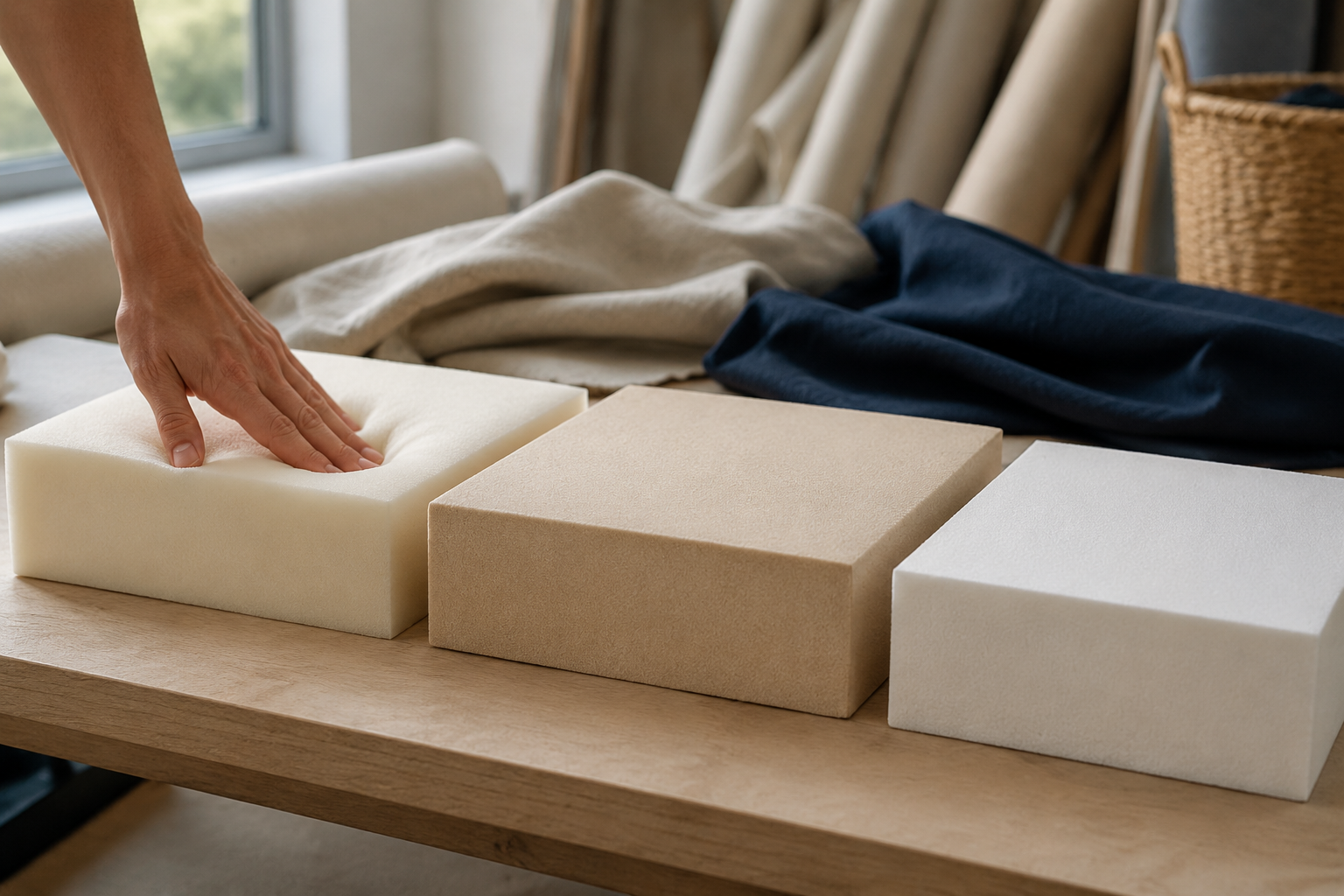
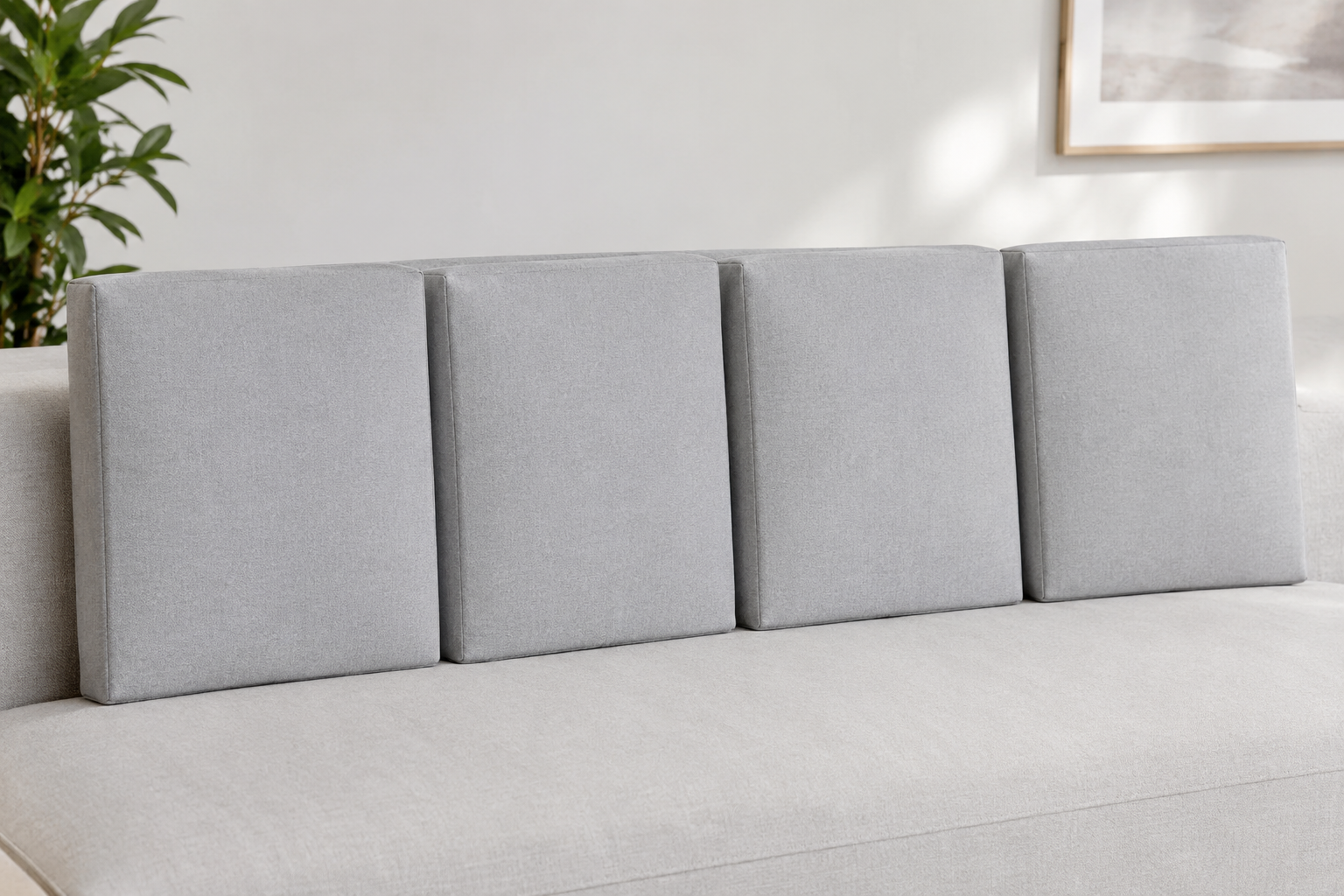
Density is also where seat cores and back cores deserve different specs: backs carry almost no load, so the common split is 50D or 60D seats over 35D or 50D backs — the money goes where the weight goes. And if your current cushions read “hard,” the culprit is dead foam or the firmness grade, never excess density — the two-dial logic (density is lifespan, ILD is comfort) is unpacked in the density-vs-hardness myth and cushion filling types.
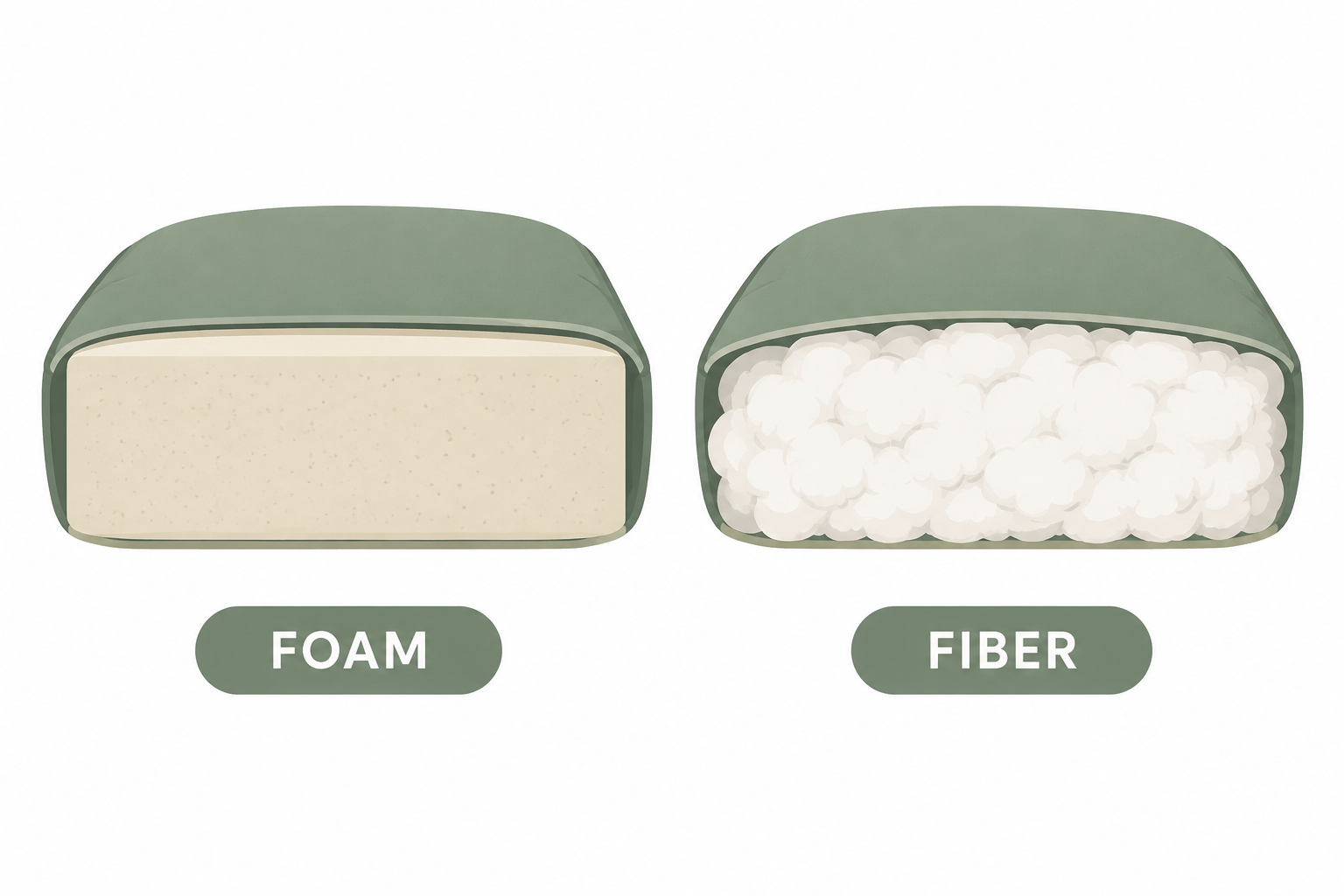
Foam-only or full replacement cushion: which lane are you in
One question decides it: which layer died? When the couch sags but the outline is still square and the covers still fit — the foam is dead and the covers are not — the foam-only core wins on arithmetic. When the covers are stretched, split, faded or just hated, a new core inside the same tired bag buys half a solution.
- The refill (this page): measure the old core or the cover interior, pick the density, keep everything above the foam. Your covers stay on the couch; the cores ship to your numbers — the core-only lane now has its own page: custom cushion inserts. The honest limits: split seams, a shredded lining or fabric worn through to the weave puts money in the wrong layer — no core fixes fabric that is gone.
- The rebuild: full replacement cushions — new foam to your density, new covers from the 119-fabric pool, sewn to your confirmed dimensions. The right call when covers and cores aged together, and the lane where fabric choice re-enters the decision.
- The staged hybrid: new seat cores now, new backs or new covers later. Every piece is cut per order, so a couch can be renewed a layer at a time as budget allows — the refill and rebuild lanes are not a one-way door.
Two-seat frames get the same refill-or-rebuild math at smaller piece counts on the settee foam cushions page; the DIY re-core workflow (pulling the old block, refitting the new one) is walked step by step in our re-foaming walkthrough, and cores come from three seller types — foam suppliers, upholstery shops, and cut-to-order specialists like this shop.
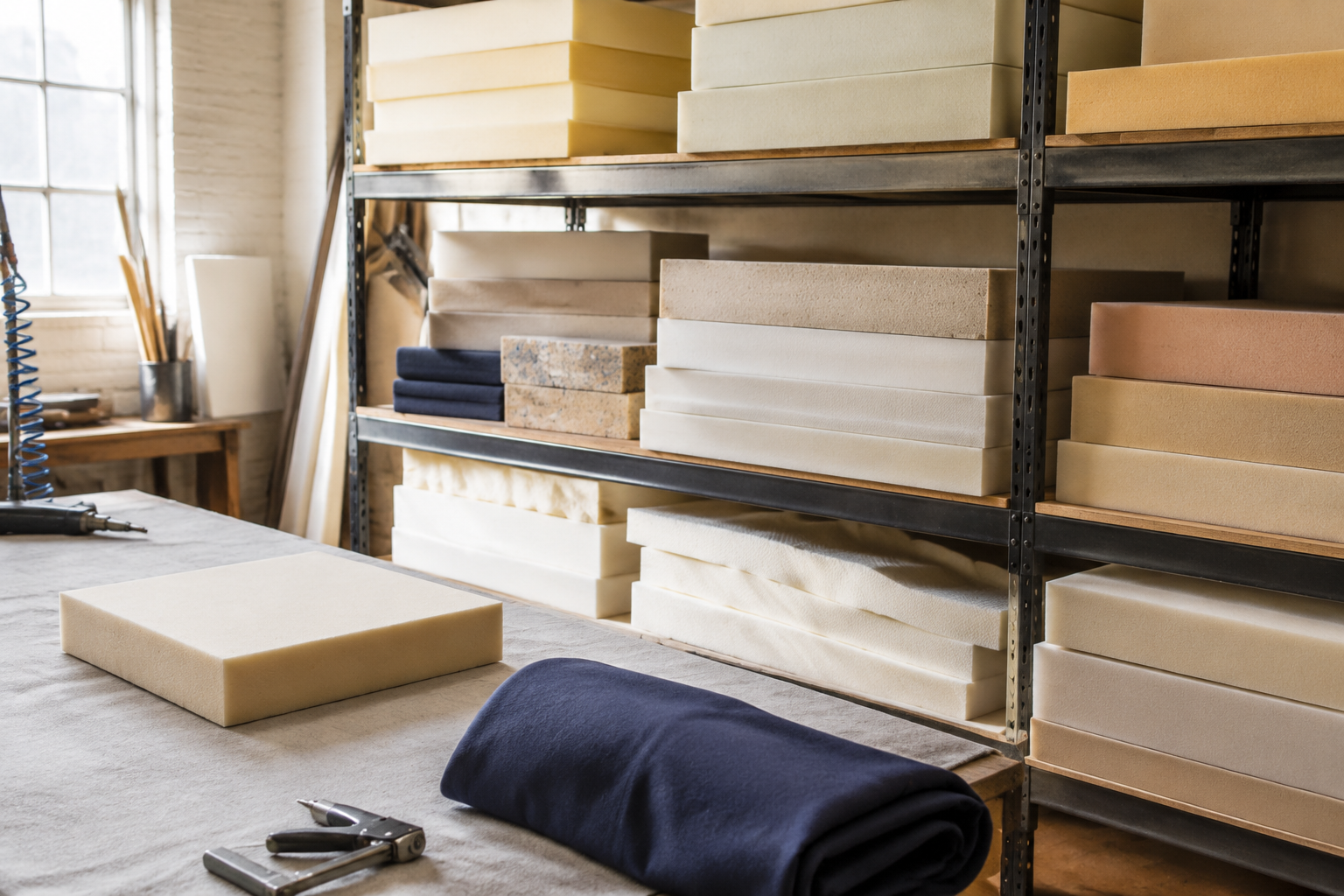
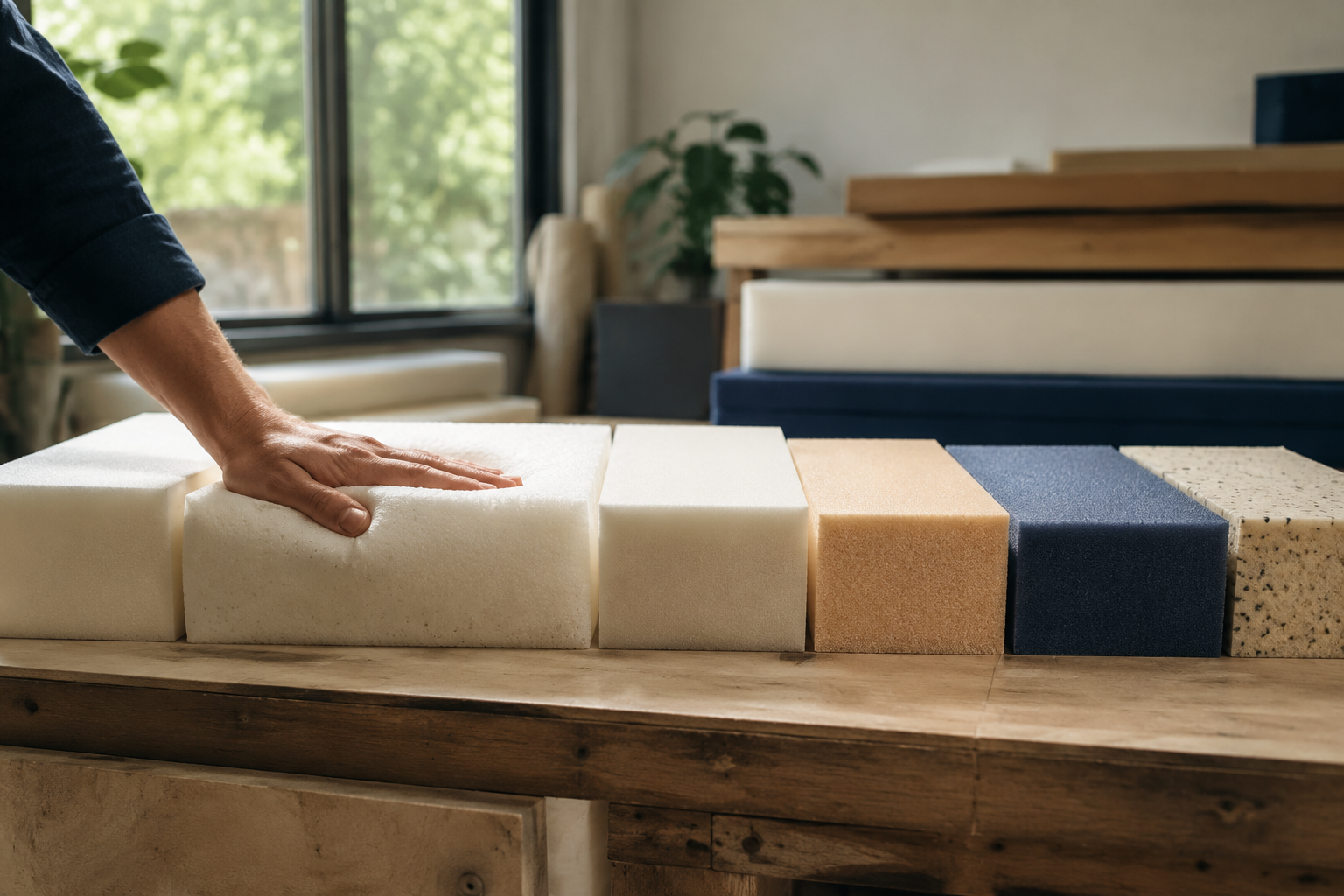
Rebuilding instead? The fabric side of that lane, all fabrics at one price:
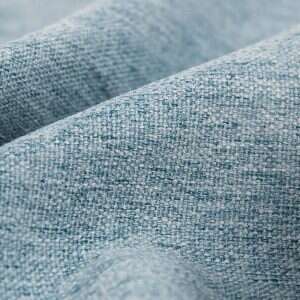
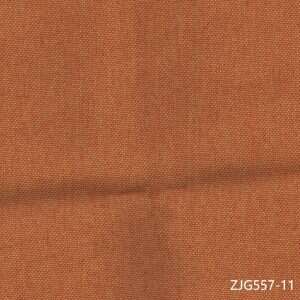
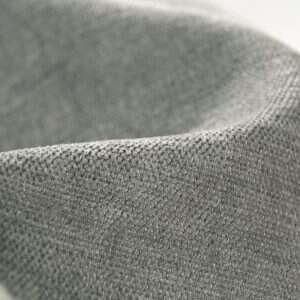
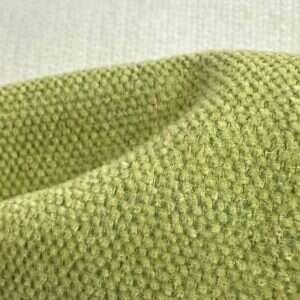
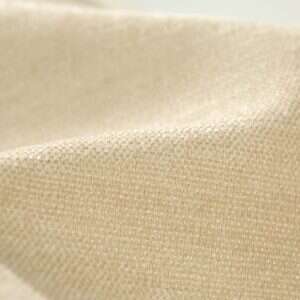
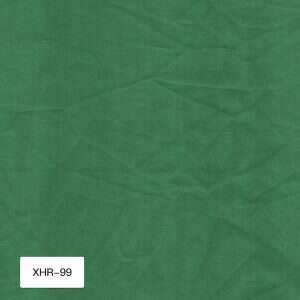
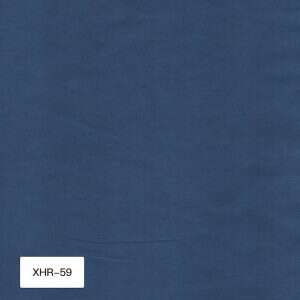
Foam-only orders never touch this library — your covers stay yours. It is shown here so the two lanes price side by side.
How to measure foam for existing cushion covers
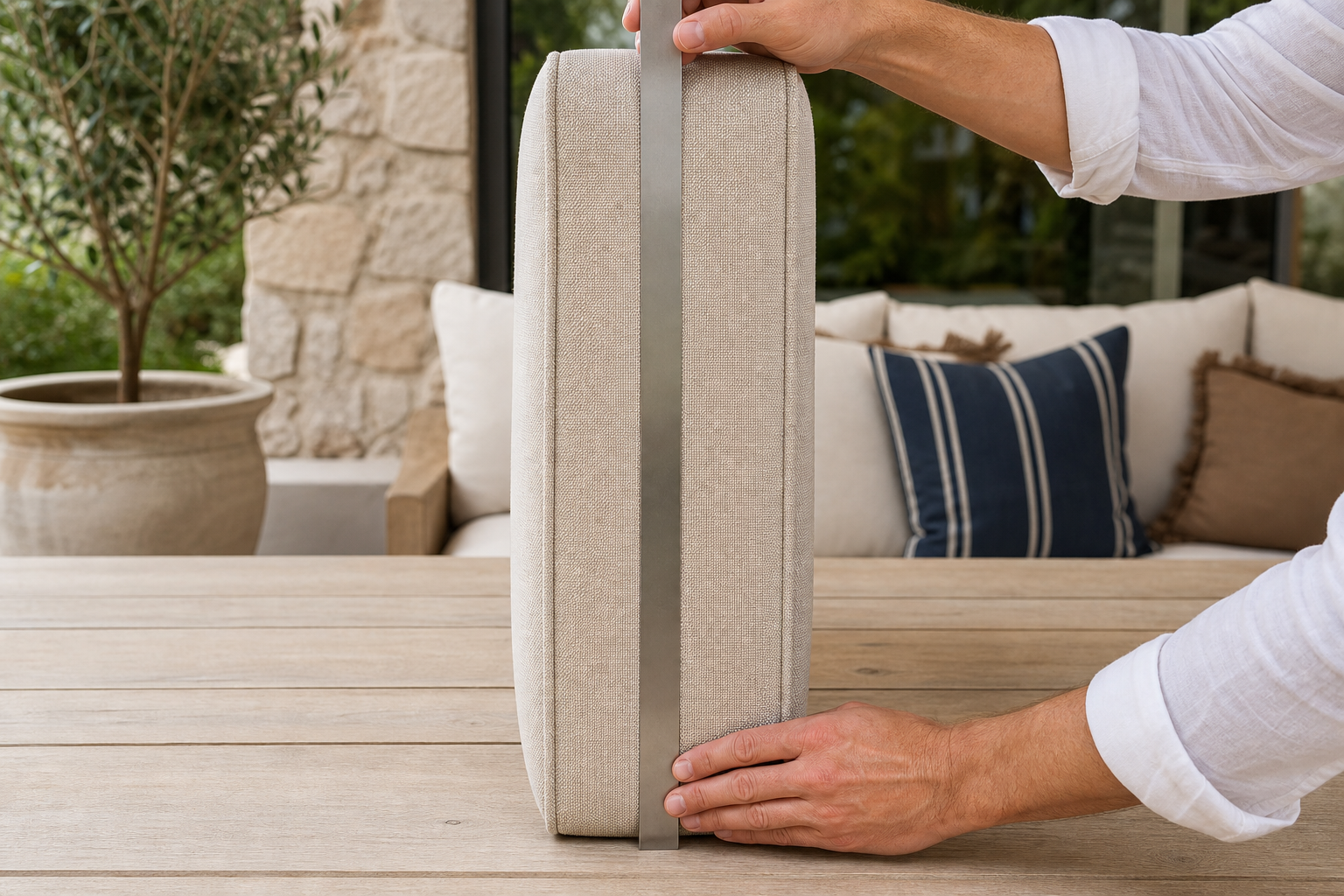
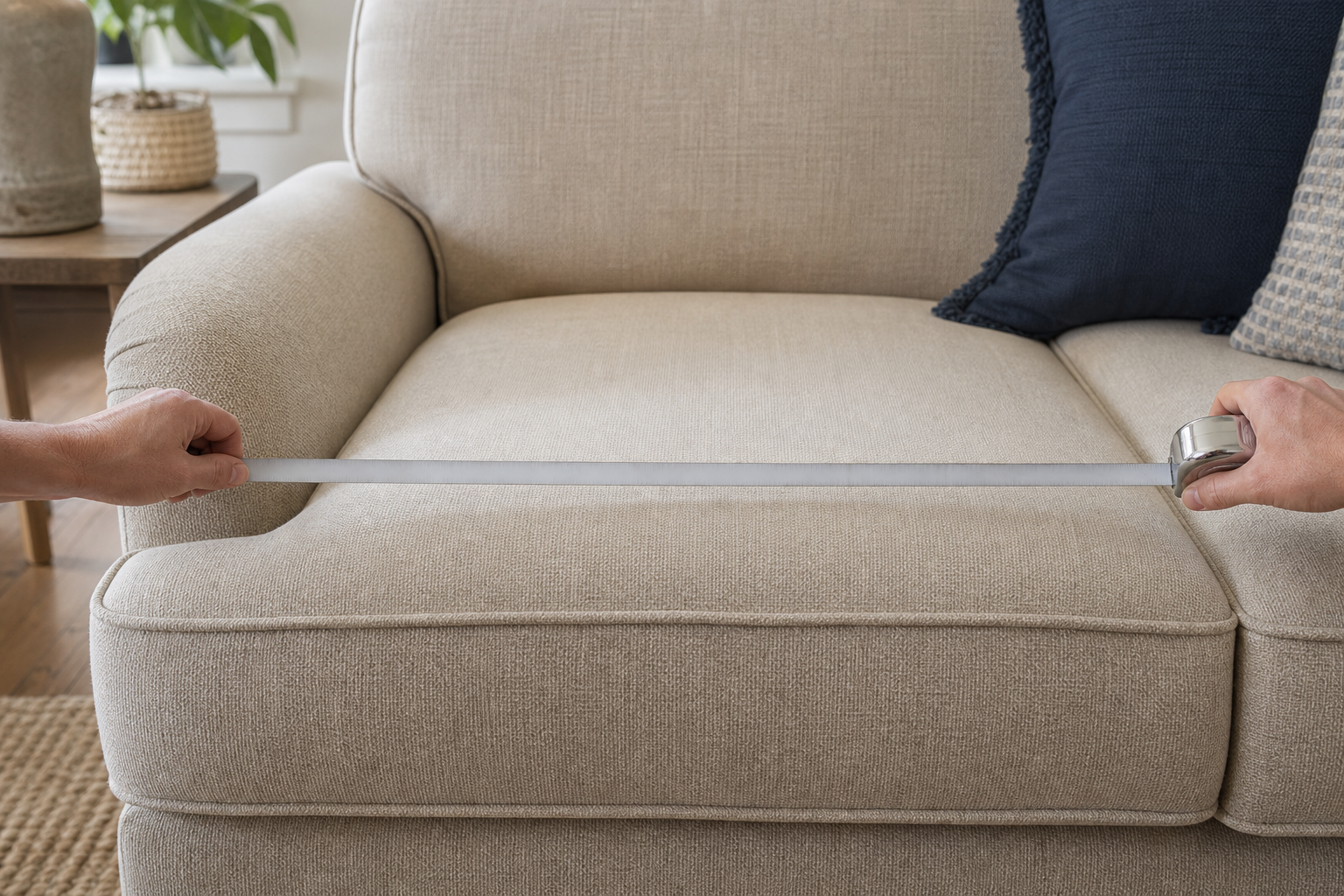
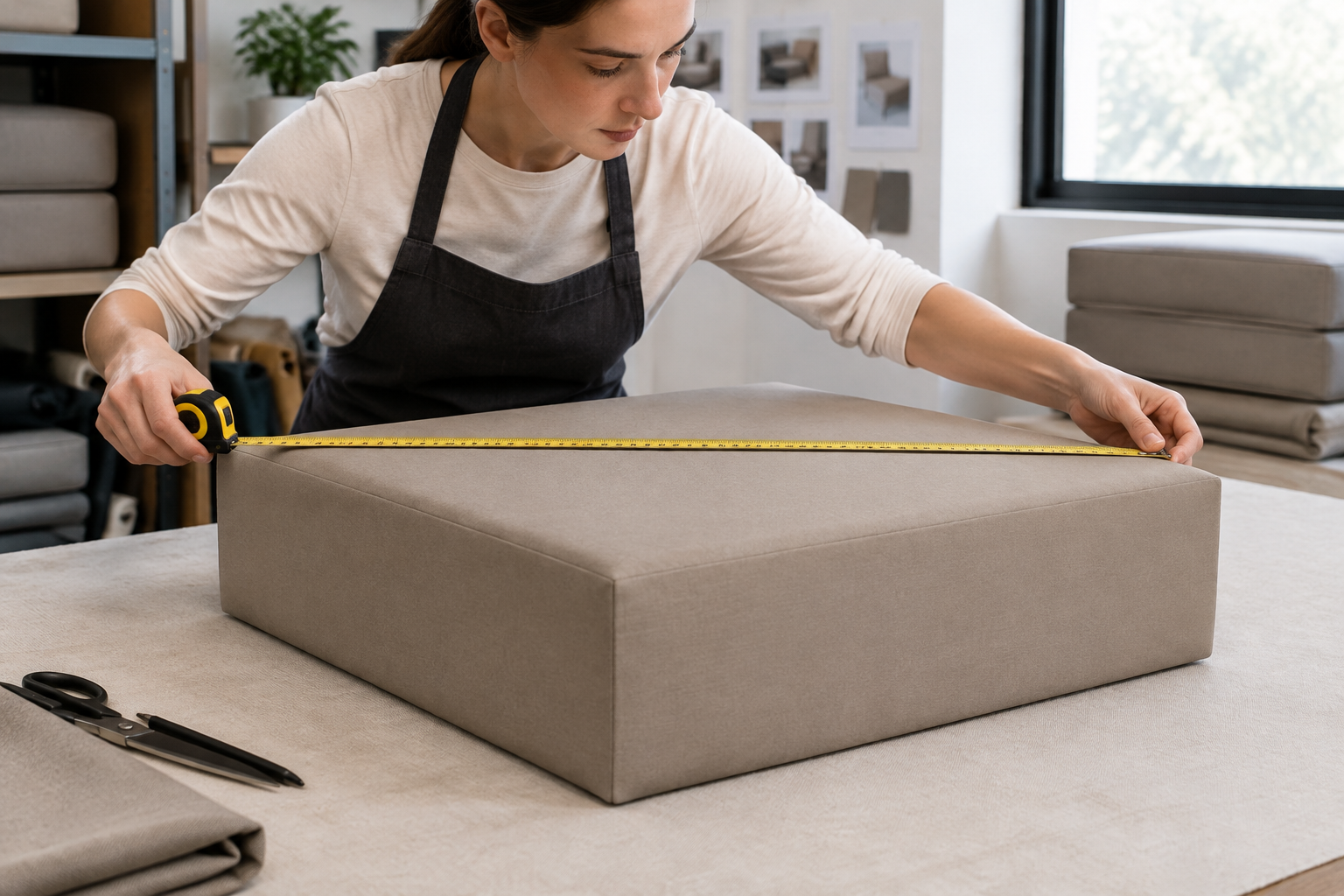
Measure the old core itself, not the cover — the core is the truth, and a cover stretches and lies. Unzip the cushion, pull the old block out, and take three numbers.
- Width, depth and thickness, seam to seam, at the tightest points. A core that has compressed unevenly gets measured at its largest intact dimensions — the corners, which carry the least load. Record to the nearest quarter inch; our cutting forms accept 1/8″ increments, so precision is free.
- Add the compression allowance: order the core ½″ larger in width and depth than the measured size — foam compresses into covers, and that squeeze is what keeps the cushion filled-out and keeps the core from shifting. A core cut exactly to size fits baggy. Very firm, high-density foam takes ¼″; thickness gets no allowance — oversize thickness is what makes covers refuse to close.
- Measure every block. The two ends of a couch are rarely identical twins, and sectionals never are; a set ordered to one measurement comes back with one block that swims. Non-rectangular outlines — notched T-cushion seats especially — go in as a labeled sketch; the full method is in our measurement mistakes walkthrough.
- If the core is genuinely gone — thrown out years ago, only the cover survives — measure the cover interior flat, subtract nothing, and say so on the order: it flips the allowance logic the other way, and the order desk needs to know.
Nothing is cut until your numbers are confirmed: dimensions are re-verified against the order details, and odd numbers get a phone call, not a guess. The measure-once-walkthrough with photos lives in our measuring guides; the order-format rules (core vs cover, allowance, wrap) get confirmed on that same call.
Popular foam sizes we cut
Thickness runs from 2″ up to 8″ in 1-inch steps (cutting forms take 1/8″ increments between), and every width and depth is cut to order — there is no stock size list because there is no stock. The blocks below are simply what couch work measures out to most weeks:
Yours differs? That is the point — we cut to your numbers, at your density, to the eighth of an inch. Standard squares in the same cut system are listed across the size library.
How long does each density last — and how it arrives
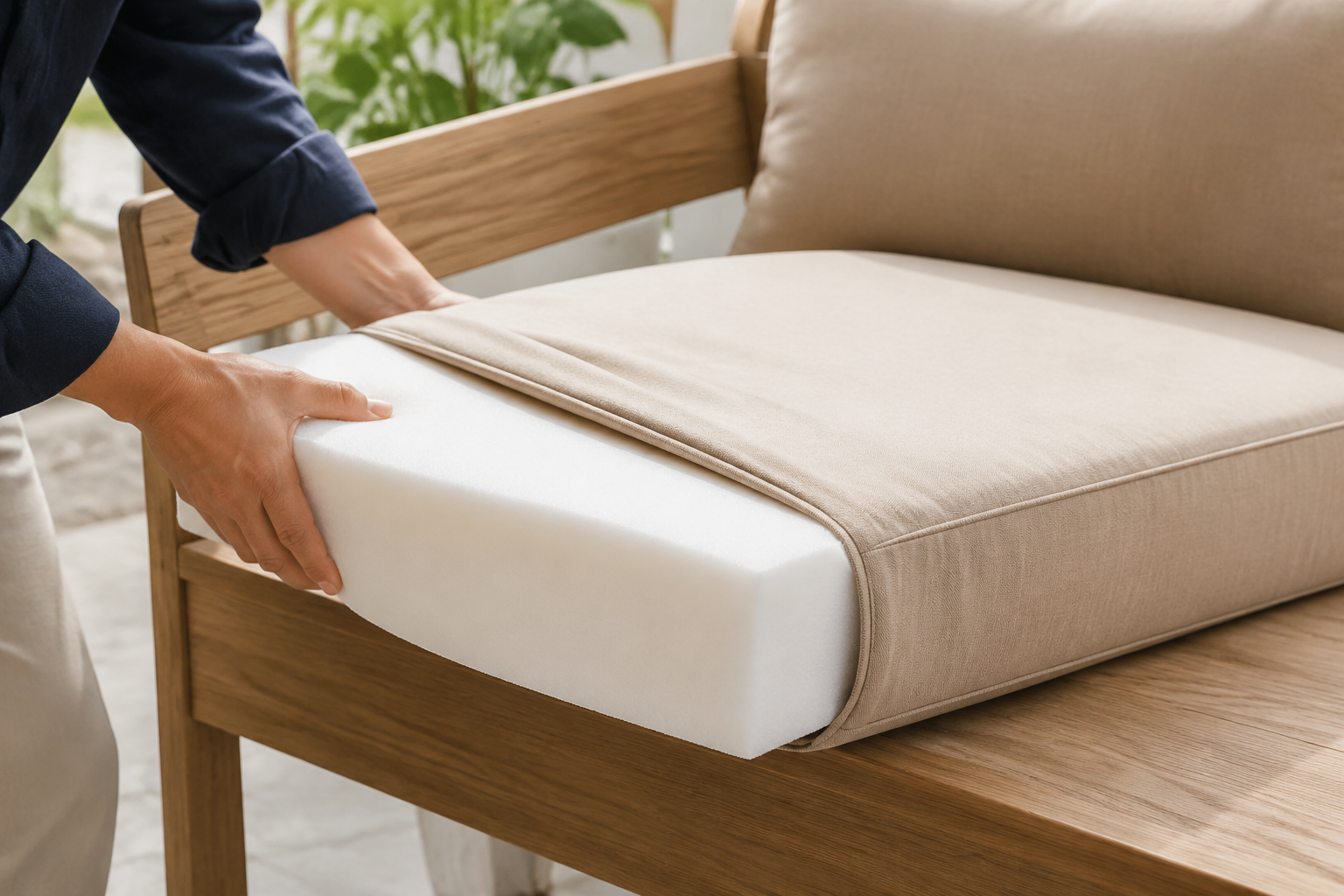
Dead foam does not rebound; fresh foam takes years to dish. A seat core that stays dished after fluffing has fatigued cells, and no amount of rotating buys the loft back — that is the moment this page exists for. Fresh cores age on the density clock in the table above: roughly 3–5 years of daily duty at 35D, 5–8 at 50D, 8–10 at 60D, 10+ at 65D — industry rules of thumb that hours and body weight move. The failure mode is always the same and always local first: the front edge of the seat, where legs cross and load concentrates.
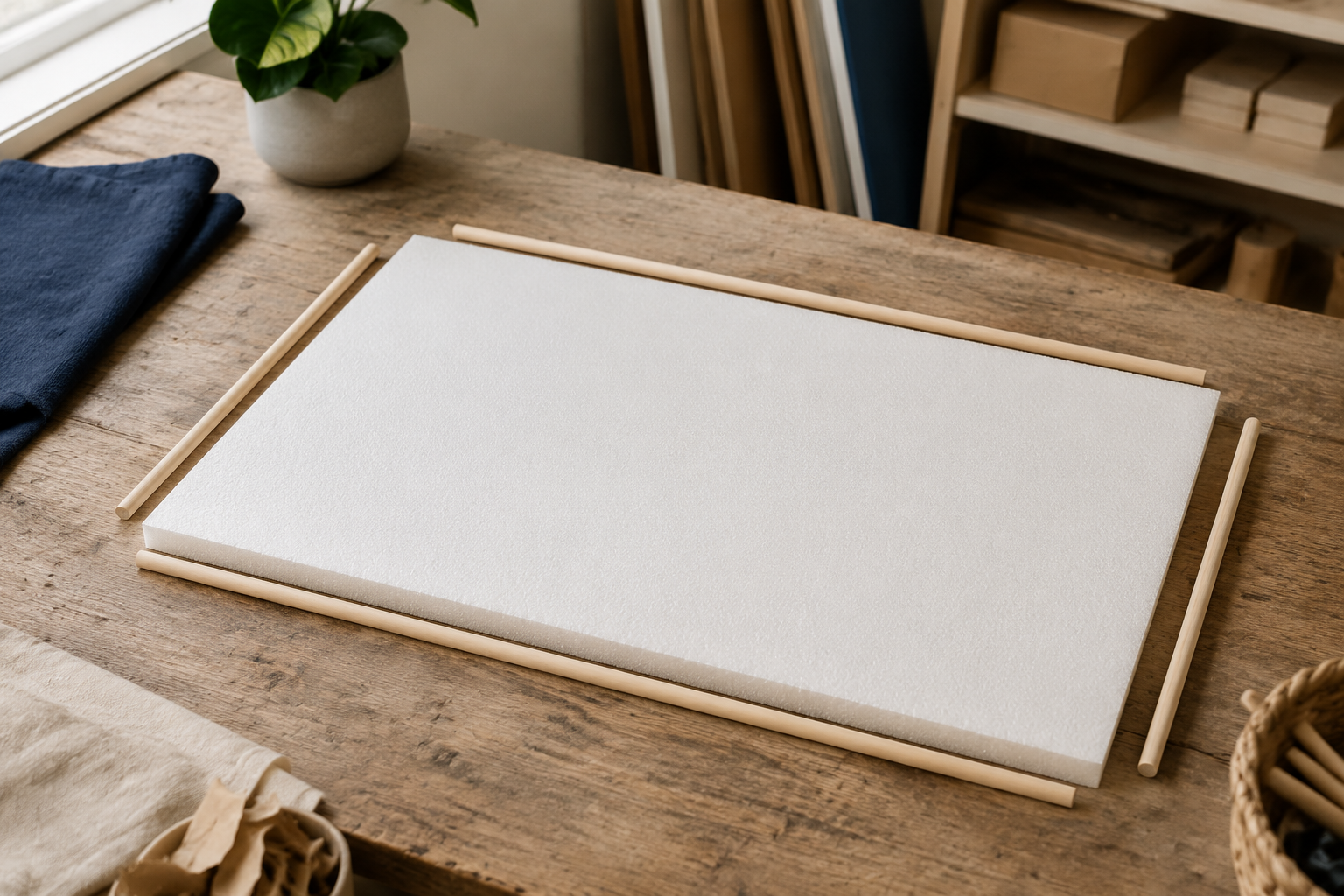
Ships flat, on purpose. Every core leaves the mill vacuum-compressed — a flat block ships for less, and we pass that on in the foam rates. Cut the bag open and the block starts lofting back immediately; give the corners a few pats to even it out. A fresh core reaches its cut dimensions quickly, and any block that has not recovered its full thickness within 24 hours is a call to make — contact us and we make it right. Plan refitting for a day after delivery, not the hour the box lands; the wait is shorter than a second tired couch.
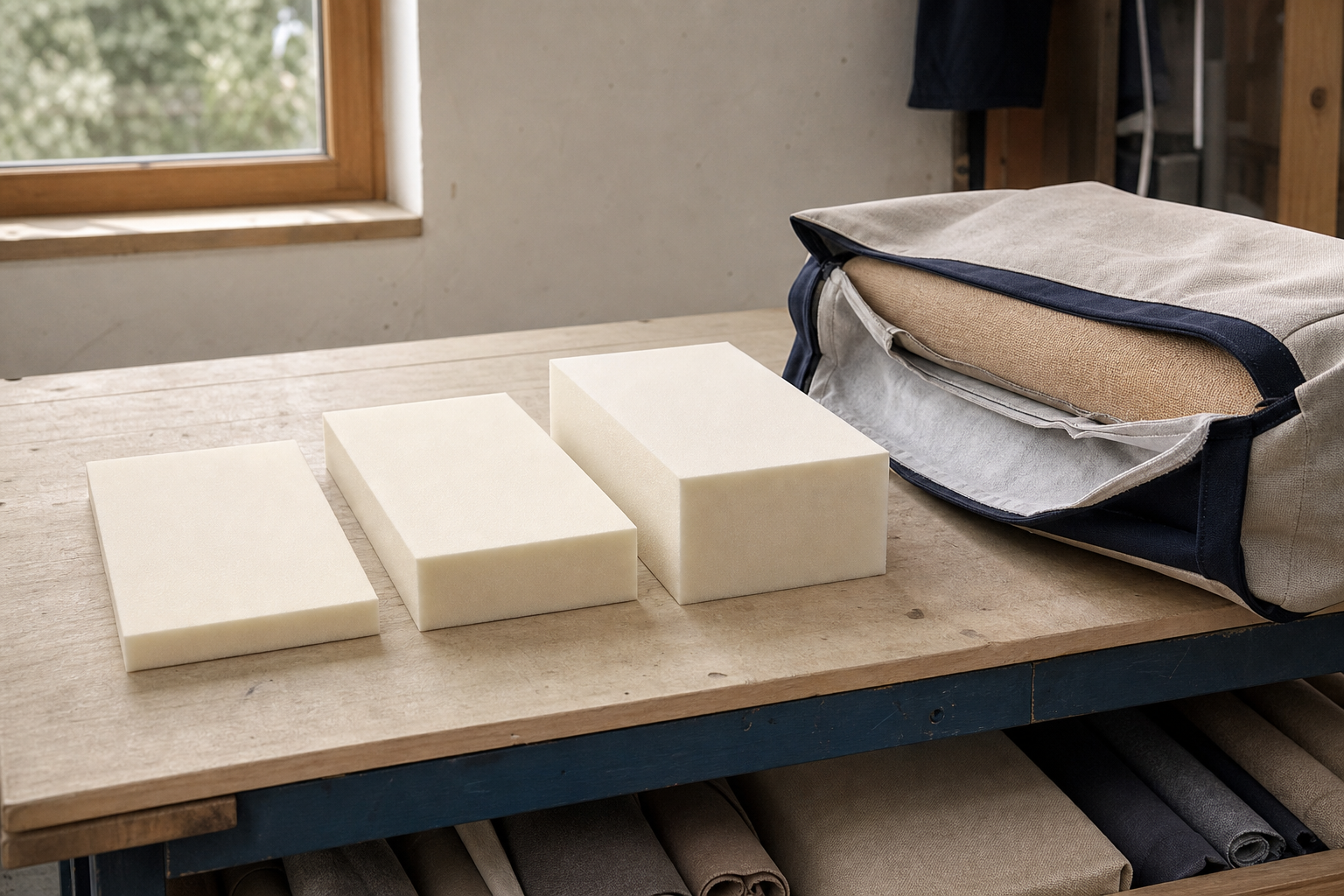
The sagging-vs-dead diagnosis and the fixes that only delay re-coring are compared in our sagging-fix walkthrough; down, fiber and memory-foam alternatives that die differently are compared in our filling types comparison.
Frequently asked questions
What density foam should couch cushions be?
50D for the couch a family actually sits on; 60D for heavier sitters and long daily hours; 35D for guest-room and decorative pieces; 65D for commercial duty. Density is lifespan, and the upgrade from 35D to 65D costs about $16 on a standard seat — the cheapest years you can buy in the order. For the full comparison, see how to choose foam density.
Can I reuse my existing cushion covers with new foam?
Yes — that is exactly what this page sells. The cover test: if covers are still square, unsplit and a fabric you want to keep, new cores restore the couch at foam rates. If covers are stretched, split or faded, order full replacement cushions instead — a new core inside a dead cover buys half a solution.
What is the HD36 equivalent in your foam?
HD36-Regular — the 1.8 lb/ft³ daily-seating grade sold by U.S. foam cutters — is the same duty our 50D is cut for; the commercial-density HD36-HQ (2.8 lb/ft³) lands in our 65D territory. We quote density in the D convention; the honest comparison is service life and duty, not one number translated into another. We break the two systems down in foam density explained: D ratings vs lbs.
How much does replacement couch foam cost?
From $45 make-base plus area at the density rate — a standard 24 × 24 × 5″ seat core runs $135–$150 depending on grade, versus $168 for the same block as a full cushion with covers. Loveseats and three-seat couches are per-block multiples of the seat price; every number in the formula is published above.
Do you cut T-cushion and other notched foam shapes?
Yes — notched T-cushion outlines, trapezoids and joined chaise cores are routine cuts. Sketch the outline with every dimension labeled (the notch is the dimension people miss), send it with the order, and the desk confirms the numbers before cutting.
How do I order foam only, without a cover?
Enter your block dimensions and density in the customizer, and mark the order foam-only. The confirmation step is where a real person checks whether your numbers are core measurements or cover measurements, applies the allowance, and locks the spec — nothing is cut until that happens, and replies land within one business day.
Will the foam arrive flat?
Yes — vacuum-compressed, flat, on purpose. Cut the bag and the block lofts back on its own; a few pats even it out. Any block that has not recovered full thickness within 24 hours is a contact-us situation, and we make it right.
What if the foam is cut wrong?
If we cut it wrong — outside the ±½″ tolerance (±¾″ over 36″) — the block is re-cut free, any time. If the confirmed number was simply off, the block was cut right; send photos and we help you re-measure so the replacement fits the first time.
How long does a foam order take?
Made to order in 4–7 business days, then shipped direct from the mill; rush production cuts it to 3–5. Typical US custom shops quote 3 to 6 weeks for made-to-order pieces — the mill ships direct, with no distributor queue between the cutting table and your door.
Can I use cut-to-size foam to fill a gap between my mattress and headboard?
Yes — a gap filler is the same cut as any foam-only order, just stood on its edge. Measure the gap’s width, depth and length, order the foam half an inch to an inch thicker than the gap so compression holds it, and pick 50D or firmer for a seam that takes nightly pillow load. The full sizing logic, with a width-to-thickness table, is in what size bed gap filler do I need — and our cut-to-size bed gap filler takes those three numbers straight onto the cutting list.
What foam do you actually cut for couch cushions — is it polyurethane?
Yes — every core we cut is high-density polyurethane foam, sized to your measurements. Grades run 35D to 65D; the density table above picks the right one for your seating. Cores are cut and sewn in 4–7 business days (rush 3–5) and ship vacuum-compressed.
Do you cut foam for furniture beyond couches — chairs, benches, window seats?
Yes — any core that carries weight: dining chairs, benches, window seats, RV dinettes, boat seats. The order form takes any measurements, and shaped pieces (T-cushions, notches, rounded corners) need the same numbers a couch core does.
Is your foam CertiPUR-US certified?
We state certification per density grade in writing before you pay — the honest answer is that certification applies to specific foam formulations, not to a whole catalog. Ask on the order and we confirm which of the 35D–65D grades ship from certified stock; we do not claim a certification we cannot document.
Made by the mill that ships them
- Ten years of cutting foam and sewing covers on our mill floor — the refill lane is the same blade, one layer down.
- Every dimension you send is re-checked before a single cut is made; odd numbers get a phone call, not a guess.
- Made to order means any density, any thickness from 2″ to 8″, no minimum — one guest-room block or a whole sectional set.
- If we cut it wrong — outside the ±½″ tolerance (±¾″ over 36″) — re-cut free, any time.

Shipping & Delivery
- 4–7 business days to cut and sew, then shipped direct — typical US custom shops quote 3 to 6 weeks; rush production (3–5 business days) is available on request.
- Shipping is a single flat rate per order with tracking; every order can be cancelled free within 24 hours of placement.
- Cores ship vacuum-compressed — flat is normal, and the block lofts back to its cut dimensions after unwrapping (24-hour recovery standard).
- A real person from the workshop answers within one business day.
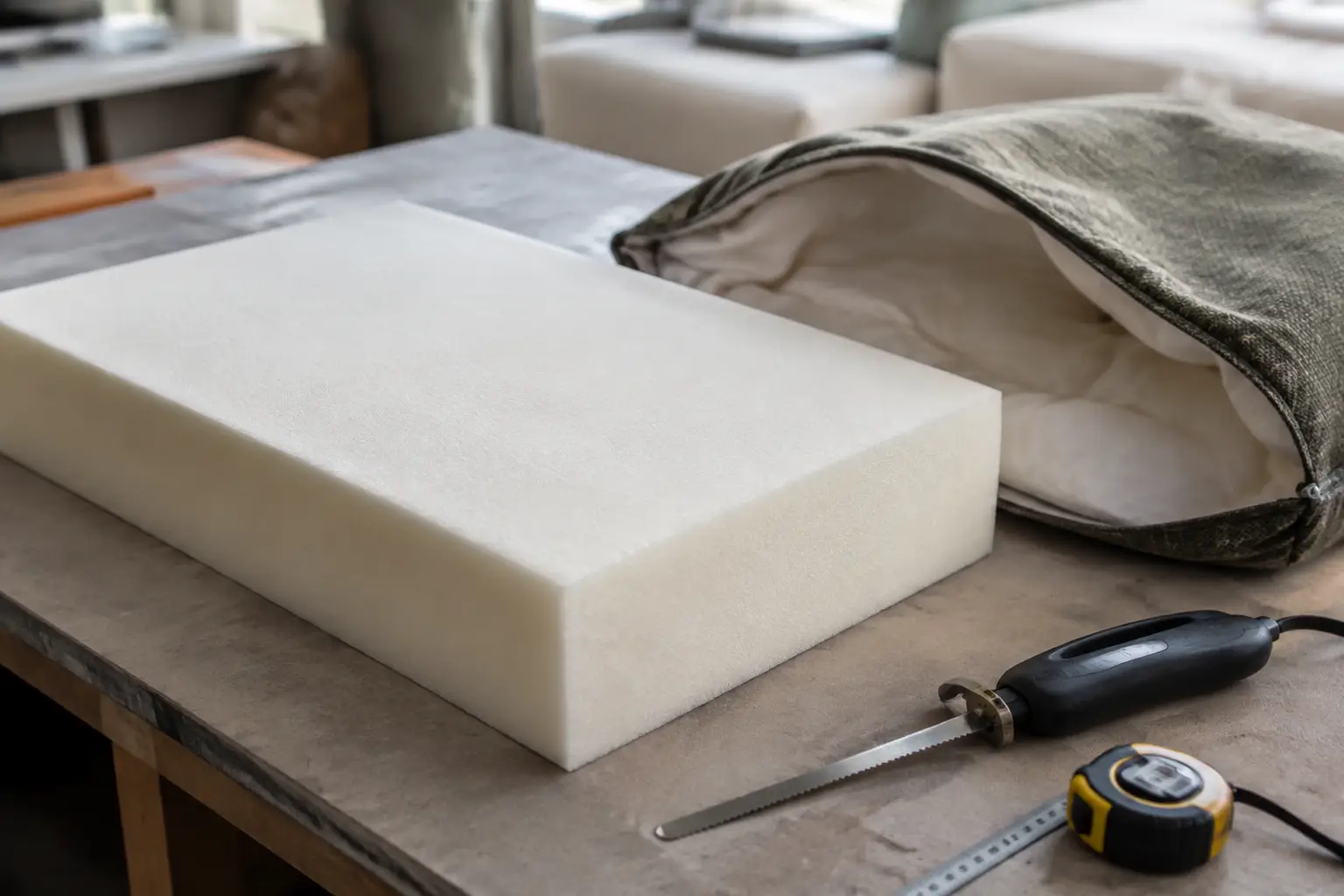
Couch foam cushions from $135 per seat block — quote in 4 steps.
Shipping & Delivery
- Orders over $158 ship free — add a second cushion or an upgrade and shipping’s on us.
- Smaller orders ship anywhere in the contiguous US for one simple flat fee — always shown before you pay.
- Made in 7–14 business days. Each cushion is cut and sewn to your measurements after you order, never pulled from a shelf.
- ±½″ tolerance on all custom cuts — and if we cut it wrong, we remake it free. No forms, no fine print.
Have a deadline? Contact us before ordering and we will tell you honestly whether we can meet it.
Related products
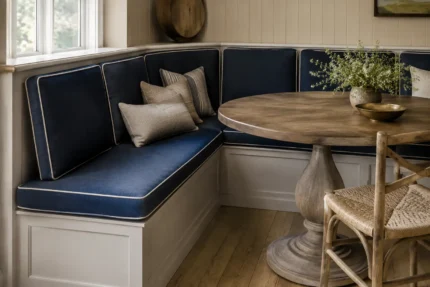

Custom Banquette Cushions
- Cut to your exact measurements — straight runs, L-shapes, notched pieces.
- 119 fabrics at one price — indoor and outdoor lines in one order.
- One order, one dye lot — every piece in the run ships color-matched.
- Factory-direct from USD 89 — instant quote in the customizer below.
- ±½″ tolerance, re-checked before cutting — remade free if we cut it wrong.
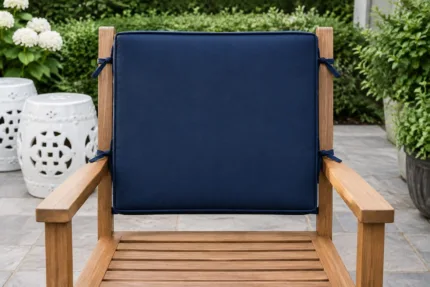
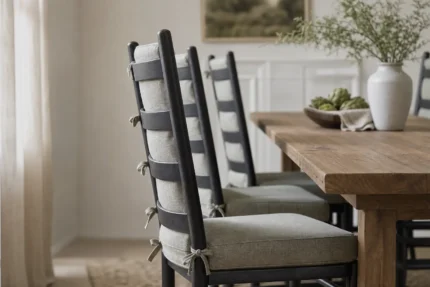
Custom Chair Back Cushions
- Cut to your exact measurements — dining chairs, rockers, high backs, any frame.
- 119 fabrics at one price — indoor and outdoor lines in one order.
- One order, one dye lot — every piece in the run ships color-matched.
- Factory-direct from $106 — instant quote in the customizer below.
- ±½″ tolerance, re-checked before cutting — remade free if we cut it wrong.
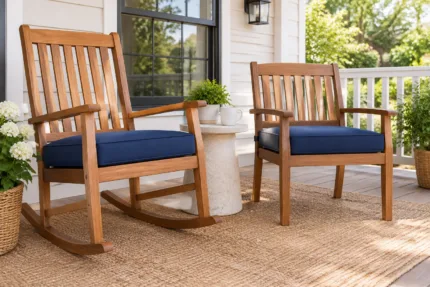
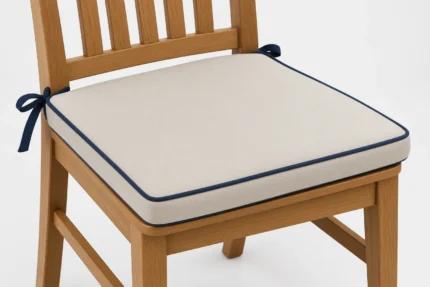
Custom Chair Cushions
- Cut to your exact measurements — dining, rocking, patio, wicker and more.
- 119 fabrics at one price — indoor and outdoor lines in one order.
- One order, one dye lot — every piece in the run ships color-matched.
- Factory-direct from $99 — instant quote in the customizer below.
- ±½″ tolerance, re-checked before cutting — remade free if we cut it wrong.
Custom Settee Cushions
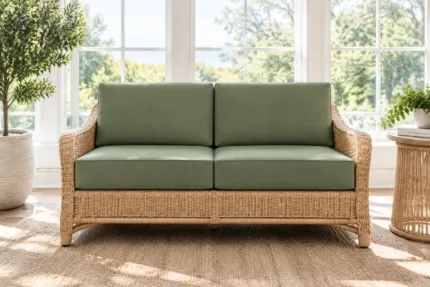
- Cut to your exact measurements — full cushions or replacement foam cores.
- 119 fabrics at one price — indoor and outdoor lines in one order.
- One order, one dye lot — every piece in the run ships color-matched.
- Factory-direct from USD 281 — instant quote in the customizer below.
- ±½″ tolerance, re-checked before cutting — remade free if we cut it wrong.