Outdoor Cushion Fabric Guide: Cotton Linen, Olefin, Performance & Sunbrella
The four fabric families we actually cut with — compared on fade, water, mold, wear, and what each family is for.
Start with your shape
Not sure? Pick the closest — every measurement is confirmed before we cut.
Don't see your shape? We make any shape.
Straight edges? A top photo + the edge numbers is all we need. Curved? Trace it on paper next to a tape measure and email us a photo.
Enter your measurements
Measure the old cushion flat, edge to edge — never the frame.
Choose your fabric
Five families, 119 cuts, one flat rate — pick by look and feel. Click a family to see its swatches below, or its ⓘ for what the fabric is and where it works best.
No fabrics match the current filters — clear one above.
All covers cut to your exact dimensions — no stock sizes, zippered covers that remove for washing.
Review & order
Calculated live from your measurements — every line, no surprises.
Free shipping over $158 · $29 flat below
Estimates only — we re-verify every dimension before cutting and will contact you if anything looks off. Prefer email? Email me this quote
Odd shape or tricky frame? Upload a photo of your furniture or old cushion — one overall shot, plus a top and side view of the old cushion if you can.
JPG, PNG or WebP · up to 10 MB each · max 3
Factory Direct
Source workshop, no middlemen
119 Fabrics
Browse them all in the configurator
±½″ Tolerance
Cut to your exact measurements
Remake Free
If we cut it wrong, remade free
No Single Best — a Best for Your Patio
There is no single best outdoor fabric — there is a best fabric for your patio. A covered porch in Seattle and a full-sun deck in Phoenix punish fabric in completely different ways: moisture there, UV here. We cut and sew with all of these tiers every day, and this guide is written from the factory side — what we see come back after two seasons, and what we sew for customers who order twice.
On our quotes, fabric is one of three line items you control (shape area and foam density are the others). Every fabric sews to the same measurements, on any of the 11 shapes we cut — so this decision changes the price, never the fit.
The Fabric Families on Our Quotes
| Tier | What it is | Strongest against | Typical use | Relative cost |
|---|---|---|---|---|
| Cotton Linen | Piece-dyed woven polyester | Budget, indoor and covered use | Covered patios, indoor benches, spare seats | one price |
| Tech Fabric | Solution-dyed olefin and blended weaves | Moisture, abrasion, daily traffic | Partial sun, mudrooms, dining benches, banquettes | one price |
| Premium Velvet | Solution-dyed acrylic, 5-year fade warranty | UV fade, mold, bleach-cleanability | Full sun, poolside, south-facing windows | one price |
Rates behind the number: $27.37 per sq ft of top surface (3-inch 50D foam plus fabric, all 119 fabrics one price) + $45 make-base per piece. Example — a 48 × 16 window seat runs about $191. Every quote itemizes these lines before you order.
What Actually Destroys Outdoor Fabric
Before picking a fabric, figure out which of these five is your furniture’s main killer:
- UV fade — the #1 killer in the Sun Belt and at altitude. Breaks down dye, then the fiber itself.
- Trapped moisture — the #1 killer in shade, humid climates, and under tree cover. Feeds mildew, rots thread.
- Abrasion and wear — friction on arms and seat edges, plus dirt grinding inside the weave.
- Stains — food, sunscreen, pollen, tannin. More texture and hydrophobic finish means more stain resistance.
- Mold food — not the fabric but the dirt film on it; whether you can bleach it determines recoverability.
Match the Tier to the Seat
| Your seat | Recommended tier | Why |
|---|---|---|
| Full-sun chaise or lounger | Sunbrella | Most UV hours on the patio; 5-year fade warranty |
| South- or west-facing window seat | Sunbrella (indoor line) | Glass magnifies sun; ordinary weaves bleach in a season |
| Mudroom or entryway bench | Tech Fabric | Abrasion plus cleanability for wet boots |
| Dining bench or banquette | Tech Fabric | Daily traffic and spills; wipe-clean surface instead of removable covers |
| Covered porch, spare seats | Cotton Linen | Roof removes the UV threat; base price wins |
| Bay window, any exposure | Per exposure, one dye lot | Three pieces must match — always order the set together |
The Three Fibers Behind the Tiers
Strip the brand names off any outdoor cushion and the fabric is one of three fibers. Polyester (piece-dyed) is the budget standard: the yarn is woven first and colored after, so the dye sits on the surface where UV attacks it first — one to two seasons of direct sun is the honest fade life, which is why polyester belongs under cover. Olefin (solution-dyed polypropylene) extrudes the color into the fiber before weaving: better fade life, very low water absorption, and strong abrasion resistance — the working middle of the outdoor market and the backbone of our Tech Fabric tier. Solution-dyed acrylic is the premium fiber (Sunbrella is the household name): color-through fibers with multi-year fade warranties, bleach-cleanability, and the softest hand of the three. The fiber is the ceiling on performance; the weave and finish decide how close to that ceiling your cushion actually runs.
Thread, Seams and the Parts Nobody Advertises
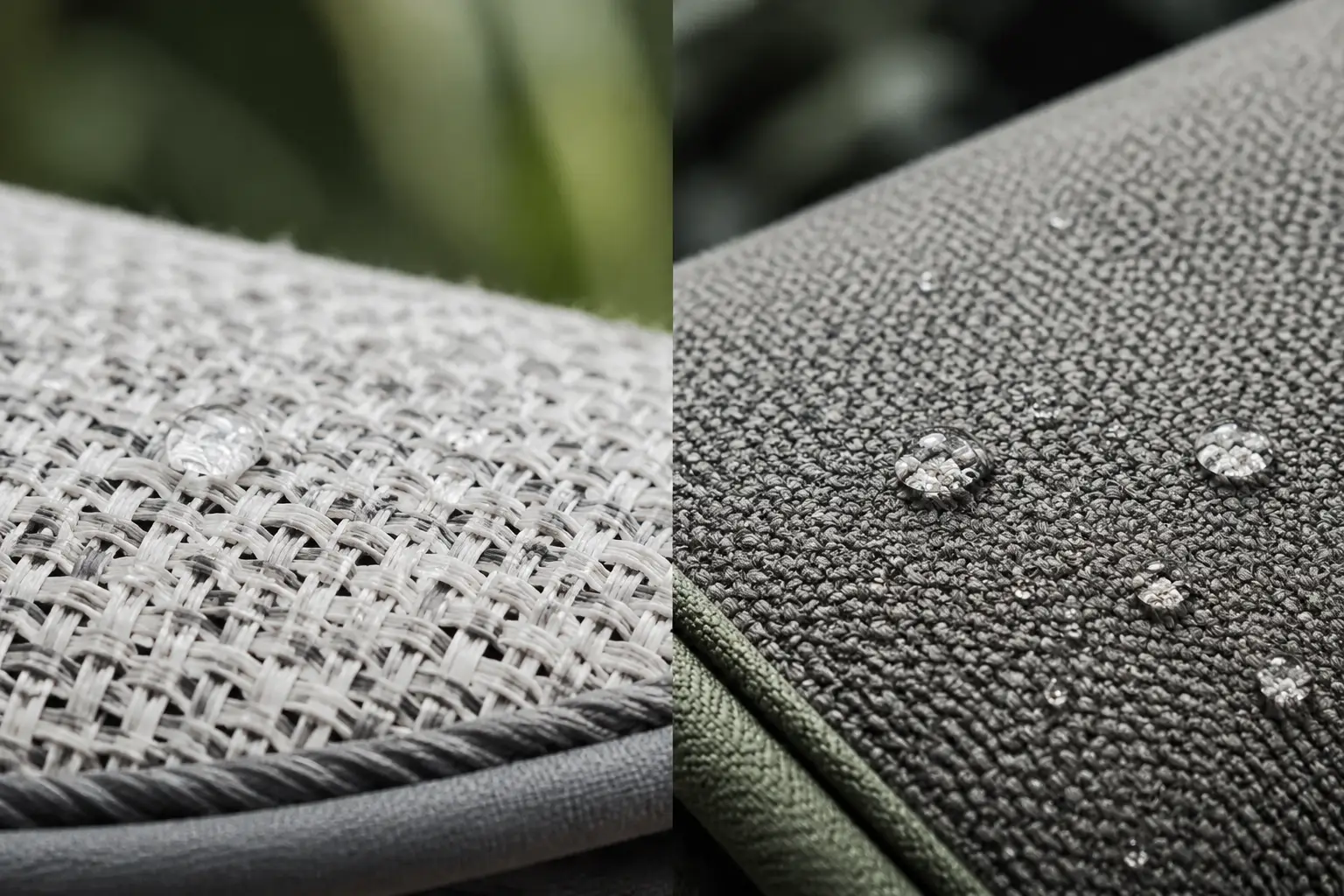
Fabric gets the comparison tables, but a cushion fails at the sewing line more often than at the cloth. Outdoor thread must be UV-stabilized — generic polyester thread embrittles in a season of sun and the seams pop while the fabric still looks fine. Seams on horizontal cushions are water entry points: a sewn closure with sealed-edge construction sheds water where an open seam wicks it into the foam. Our covers close with zippers (covers remove for washing), which keeps care simple; cleaning is a wipe or a spot-clean between washes, and a cover-off wash whenever you want one. Ties and anti-slip undersides are sewn into the seams at your measured fastening points, not added afterward.
Care: The Two Habits That Double Cushion Life
The first habit is standing cushions on edge after a soaking — a cushion left flat traps water against the foam’s underside and the mildew starts there, inside, where you cannot see it. On edge, in shade or breeze, the core drains and dries in hours. The second is the pre-season deep clean: mild soap, cool water, a soft brush along (not against) the weave, then air dry — done once it removes the pollen-and-dirt film that mildew feeds on. Solution-dyed fibers take diluted bleach for stubborn stains without losing color; polyester does not, which is another honest reason the tiers price differently. Over winter, dry cushions stored flat in a breathable bag outlast cushions left on the frame under a tarp — a tarp traps the moisture it was meant to keep off.
Deep Dives
- Best outdoor cushion fabric — the full field, ranked by climate and exposure
- Sunbrella vs regular outdoor fabric — the head-to-head most buyers face first
- Is Sunbrella worth it? — the cost-per-year math
- Fabric color fastness for outdoor cushions — UV ratings explained
- Dog-friendly outdoor fabric — claw resistance without crayon texture
- Sunbrella replacement cushions — how to get fabric-right replacements
- Sunbrella cushions — the buying page, with real-piece pricing
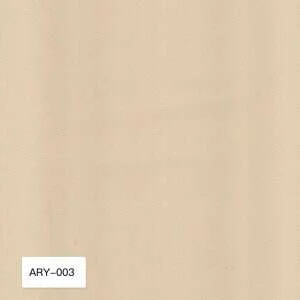
Premium Olefin · Beige
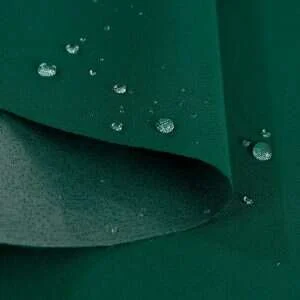
Premium Olefin · Deep green
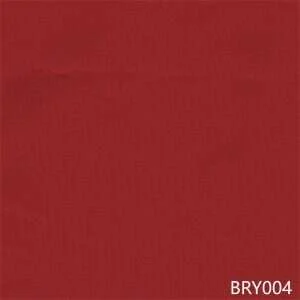
Premium Olefin · Red
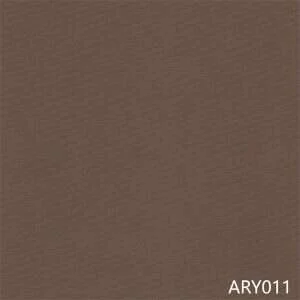
Premium Olefin · Brown
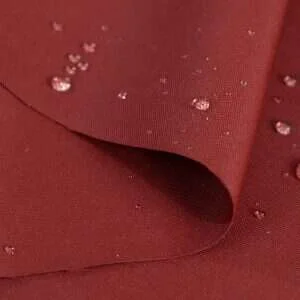
Premium Olefin · Claret
Premium Olefin · Deep brown
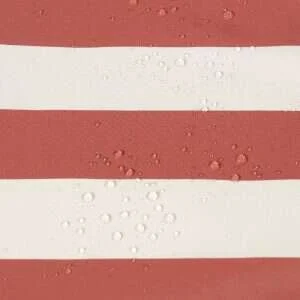
Cabana Stripe Canvas · Red
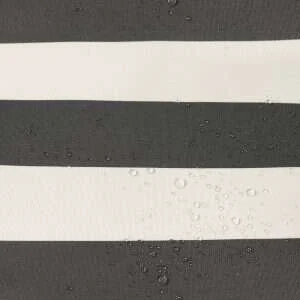
Cabana Stripe Canvas · Gray
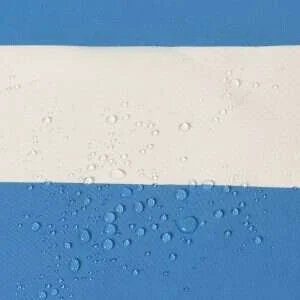
Cabana Stripe Canvas · Blue
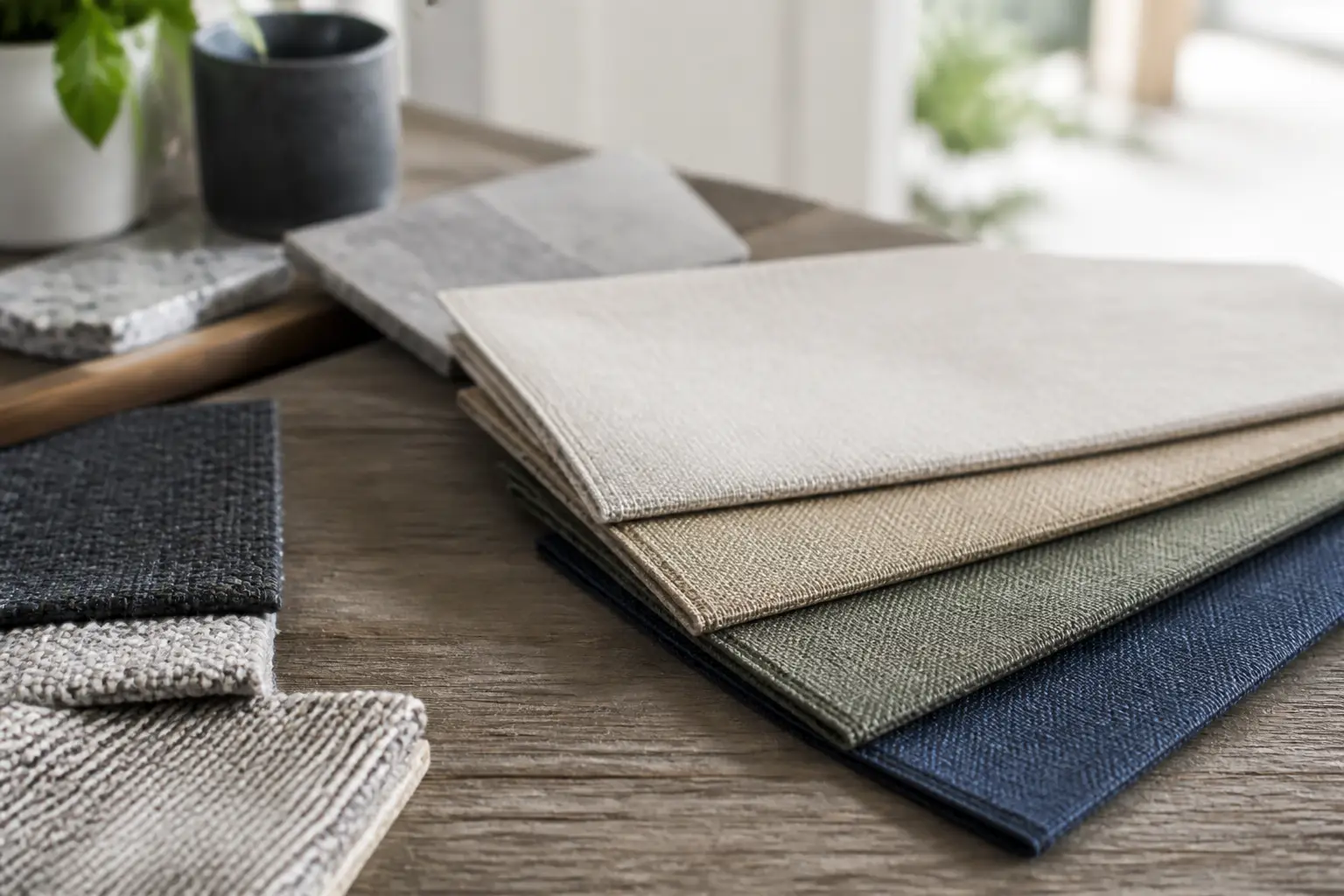
Outdoor-pool swatches across the fabric families — cotton-blend, olefin canvas and premium performance weaves. See all 119 fabric options in the configurator.
Frequently asked questions
There is no single best — there is a best for your exposure. Full sun: solution-dyed acrylic (Sunbrella, Tempotest). Humid shade: olefin or acrylic, which hold little water and resist mildew. Covered porch or indoor nook: polyester grades deliver the job at the lowest cost.
On fade, yes, decisively: solution dyeing puts color through the fiber, so Sunbrella holds color for years where piece-dyed polyester bleaches in one to two seasons of direct sun. On price, polyester is roughly 45% less per cushion. The full head-to-head is in Sunbrella vs regular outdoor fabric.
Performance weave or polyester. A roof removes most of the UV threat, so what is left is moisture and wear — performance weaves cover both for a modest step up from base price. Save the Sunbrella upcharge for seats that actually see the sun.
Ours do — covers close with a zipper and remove for washing, so cleaning is a wipe with mild soap and water between washes, or a cover-off machine wash whenever it is due.
Mild soap, cool water and a soft brush first — the film mildew feeds on is usually dirt, not the fabric. On solution-dyed fibers (olefin, acrylic), diluted bleach removes the stain without taking the color; on piece-dyed polyester it can, so spot-test first. Then air dry with the cushion on edge so the core drains, not just the surface.
“UV-resistant” describes a finish, not a fiber. Finishes wash out; solution dyeing is permanent because the color is the fiber. If the seat takes direct sun all season, the tier needs to be olefin or solution-dyed acrylic — anything finished rather than dyed-through is buying one season at a time.
Made by the factory that ships them
- Outdoor cushion factory for 10+ years — we cut, fill, and sew every order ourselves.
- Every dimension you send is re-checked before a single yard of fabric is cut.
- Made-to-order means any fabric, any piece, no minimum.
- Cut to ± ½ inch of your confirmed dimensions, in writing — outside tolerance, remade free.
Any fabric on any shape — pick your shape, enter measurements, see the prices side by side.
Related pages
Track Your Order
Track Your Cushion Order Every CushionMill order is cut and sewn to your measurements, then shipped from our workshop in
Hampton Bay Loveseat Cushions
Hampton Bay Loveseat Cushions Factory Direct — The workshop that cuts it is the one that ships it 119 Fabrics
Hampton Bay Lounge Chair Cushions
Hampton Bay Lounge Chair Cushions Factory Direct — The workshop that cuts it is the one that ships it 119
Hampton Bay Swivel Cushions
Hampton Bay Swivel Cushions Every Hampton Bay series that ships a swivel chair, measured to OEM figures on one page
Hampton Bay Ottoman Cushions
Hampton Bay Ottoman Cushions Every Hampton Bay series that ships an ottoman, measured to OEM figures on one page —
Hampton Bay Fire Pit Cushions
Hampton Bay Fire Pit Cushions Every Hampton Bay series built for the fire pit, measured to OEM figures on one
Further reading from the blog
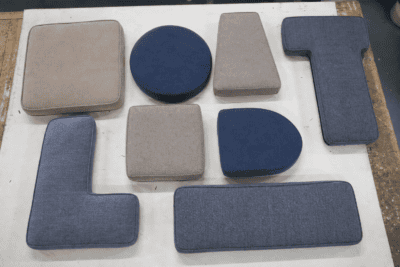
Cushion Shapes Guide: All 11 Shapes, What They Fit, and How to Measure Each One
A field guide to every cushion shape we cut — rectangle, chaise, L-shape, T-cushion, bowed, notched, round, oval, half-round and wedge — which furniture each one belongs to, how to measure it in inches, and exactly which shape to pick in our custom cushion builder.
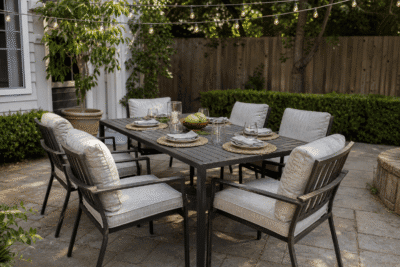
Outdoor Dining Sets: Buying the Set Right So the Cushions Work
Outdoor dining set buying guide: how the set choice locks in your cushion future — seat sizes, arm heights, frame materials, cushion quality in boxed sets versus custom pads, and set versus separate buying.
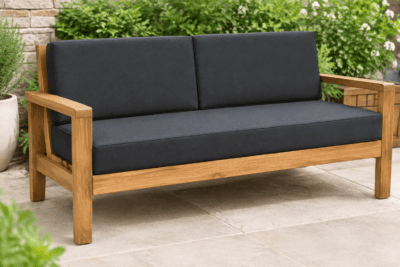
Best Outdoor Furniture Materials: What to Buy for Your Climate and Budget
The material-by-material guide to outdoor furniture — teak, aluminum, steel, HDPE wicker, resin, recycled plastic and more — ranked for weather endurance, maintenance burden and cost, with the cushion spec each one implies.
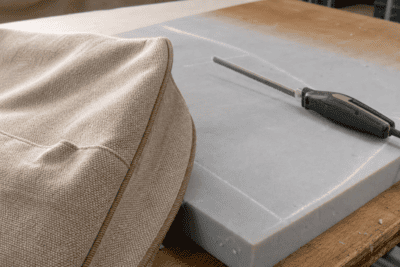
Sofa Foam Cut to Size: How to Order Exact-Fit Foam
How to order sofa foam cut to size — measuring the core, adding the compression allowance, specifying density, thickness and shape, and the checklist to run before any foam is cut.
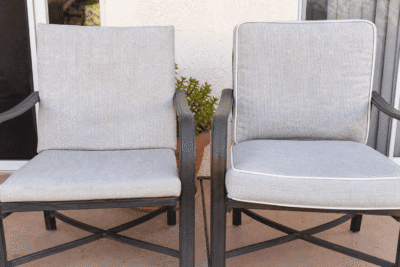
Cheap vs Quality Outdoor Cushions: Where the Money Actually Goes
What separates a $15 cushion from a $60 one and a $150 one — fabric construction, fill, stitching and covers — which upgrades matter, which are markup, and how to buy the quality your furniture actually needs without overpaying.
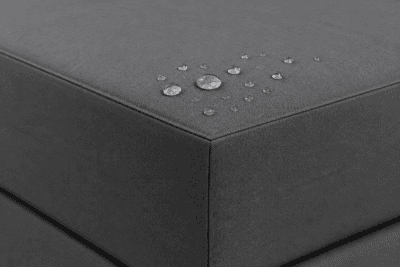
Best Outdoor Cushion Fabric: How to Choose by Climate, Exposure and Budget
A factory guide to outdoor cushion fabrics — solution-dyed acrylic, olefin, polyester grades and blends — ranked for fade, water, mold, comfort and cost per year.