
Fabric gets all the attention — it is the part you see and touch. But ask anyone on a cushion factory floor what determines whether a cushion is still comfortable in year five, and the answer is one word: the fill. Fabric fades and can be re-covered (how to make cushion covers); foam that has died cannot be revived by any cover.
This guide compares every fill we work with — high-resilience foam grades, memory foam, polyester fiber, down and feather blends, and the layered builds that combine them — by how they feel, how they age, what they cost, and where each belongs. Two related deep-dives if you want them: the foam-grade numbers explained in memory foam vs regular foam, and water behavior in waterproof cushions explained.
Why Fill Choice Decides Everything
Three reasons the fill is the decision:
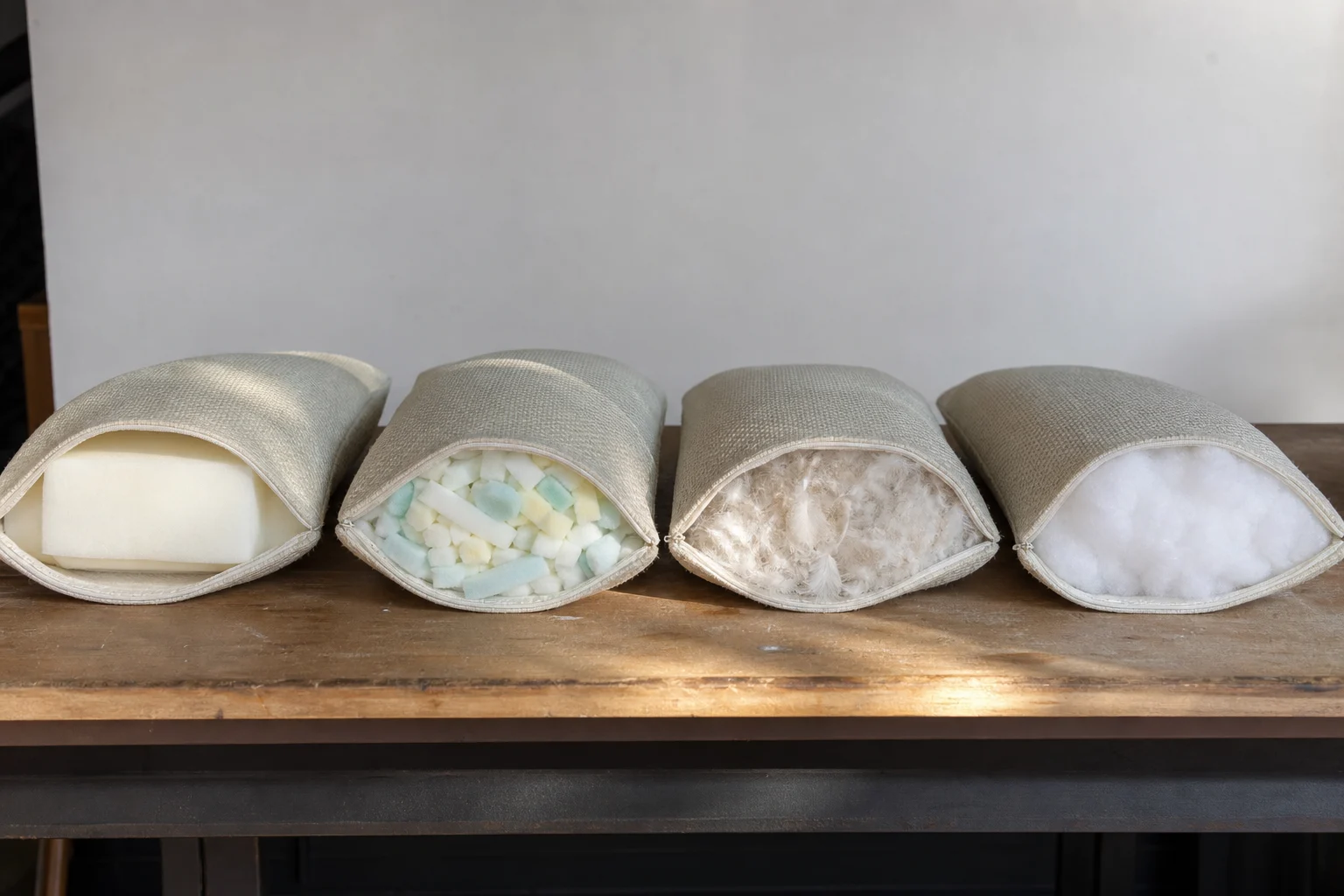
- Comfort is the foam. Fabric contributes texture; the sit — soft, firm, supportive, sinky — is almost entirely the core.
- Lifespan is the foam. Faded fabric on live foam is a re-cover job. Live fabric on dead foam is landfill.
- Price tracks the core. Moving between fill types changes a custom cushion’s price more than any single style option — and the builder prices density options live, so fill is the honest place to see what you are paying for. Tier mechanics in the price guide.
Fill #1: High-Resilience Polyurethane Foam (the Workhorse)
Open-cell foam engineered to push back. This is what 90% of good seating is, and the grade ladder within it matters more than the category:
| Grade | Density | What it is | Typical life |
| Furniture-in-a-box | 18–24D | One-season foam; dishes fast | 1–2 years light use |
| Standard seating | 30–34D | Acceptable, occasional use | 3–5 years |
| Premium seating | 35D+ | Our standard seat grades | 5–10 years daily use |
| Commercial/heavy duty | 45–60D | Daily heavy use, contract furniture | 10+ years |
Within a grade, ILD (firmness) tunes the feel — density is lifespan, ILD is comfort, and the two are independent (the full explanation is in memory foam vs foam cushions, with the compression-set test that predicts dishing).
Feel: springy, supportive, rebounds instantly. Best for: every seat you sit upright in — dining, deep seating, benches, window seats. Outdoor: firm HR grades and quick-dry outdoor variants are the correct choice. Cost: moderate; the density upgrade is the best value-per-year on this page. Ordering this exact grade by the core? Replacement foam for couch cushions is the direct route.
Fill #2: Memory Foam (the Contour Layer)
Viscoelastic, temperature-sensitive, slow-recovering. Excellent at what it is designed for — long static lying — and mislabeled as a premium upgrade for seats it suits poorly. Slow recovery reads as unstable on a seat you shift around on, and rising means climbing out of a closing imprint; outdoors it is disqualified entirely (absorbs water, heat-softens to sludge).
Where it genuinely belongs: as a 1″–1.5″ topper over an HR base (bed-scale: custom mattress topper) — the layering trick that delivers surface contour with structural spring; and in pure lounging pieces (daybeds, covered chaises you actually nap on). Full treatment of its physics and failure modes: memory foam vs regular foam.
Feel: contouring, enveloping, slow. Cost: higher per equivalent durability. Verdict: great layer, debatable core.
Fill #3: Polyester Fiber (the Soft Volume)
Lofted, springy-in-a-pillowy-way synthetic fiber — what fills most back cushions, throw pillows and budget seat cushions. It is not foam’s rival; it is a different tool.
Strengths: cheap, lightweight, instantly soft, washable in small formats, and the correct fill for back cushions where you want squash-not-support. High-loft siliconized fiber with a good ticking (the inner bag) makes back cushions that feel expensive.
Weaknesses: fiber migration and flattening. Fiber clumps and packs with use — the lumpy, misshapen back cushion you have met on every old sofa is packed fiber. Quality builds fight it with channel-stitched ticking and blended fills; nothing makes fiber immortal. On seats, fiber-only cushions flatten within a season of real sitting.
Best for: back cushions, throw pillows, bolsters. Avoid for: seat cores. Cost: lowest.
Fill #4: Down and Feather Blends (the Luxury Surface)
Duck down, feather-down blends, and down-wrapped foam. The premium indoor feel — no synthetic matches the initial sink and the way down re-lofts when fluffed.
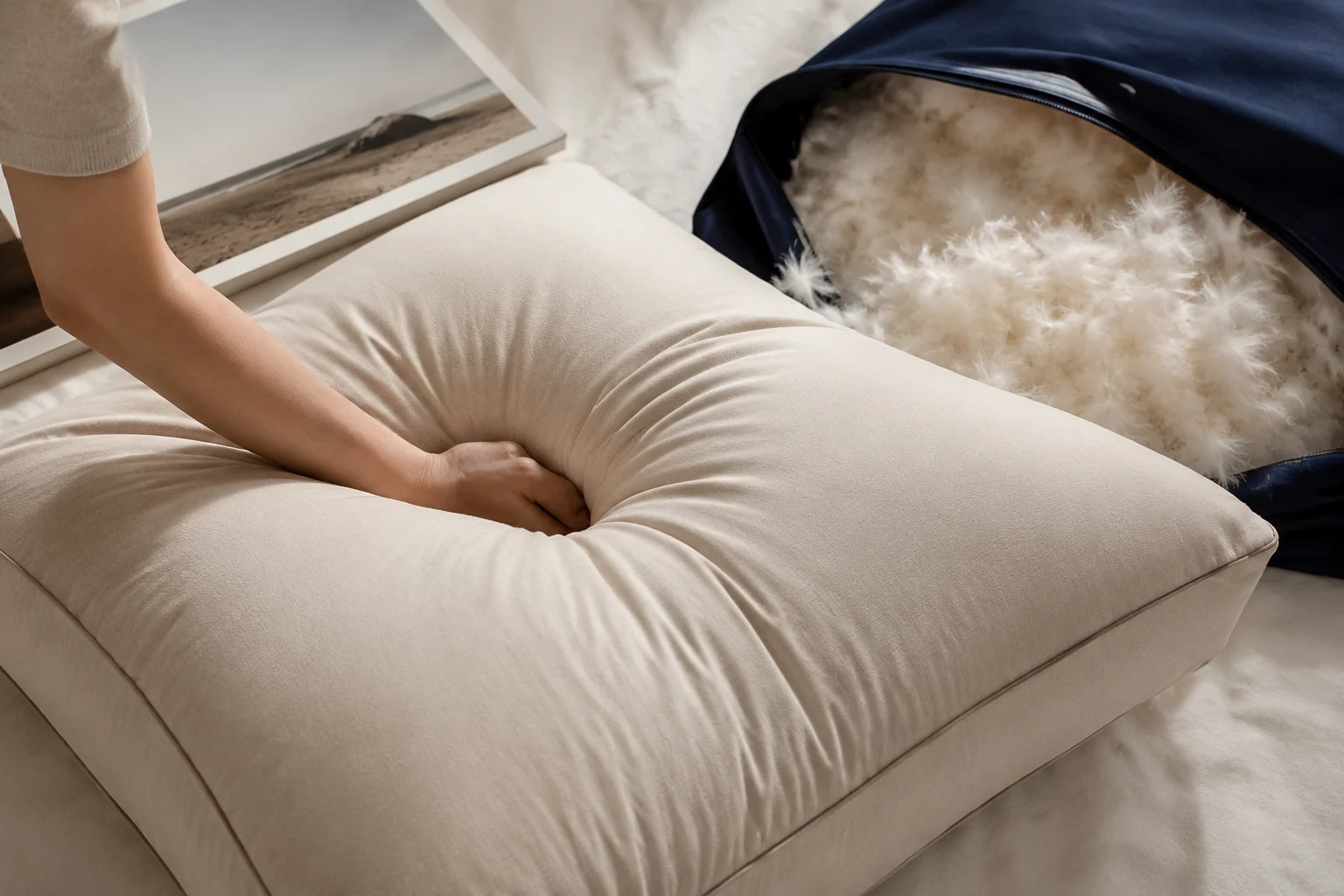
Strengths: unmatched softness and conforming comfort; re-lofts with fluffing; a down-wrapped HR core (foam core, down jacket around it) is the classic luxury seat — support inside, cloud outside.
Weaknesses: high cost; absorbs moisture and holds it (strictly indoor or covered); requires regular fluffing; needs down-proof ticking or feathers poke through; allergies; and it is pure indulgence for a patio in any weather-exposed spot.
Best for: indoor reading nooks, formal seating, the down-wrap treatment on premium builds. Cost: highest.
Fill #5: Quick-Dry / Reticulated Foam (the Outdoor Specialist)
Open-cell foam reticulated to have large, connected cells — water drains through it, air flushes it. The correct core for cushions that live in rain. Feels firmer than seating foam at equal density (less cell wall to compress), so outdoor builds often pair it with a plush wrap. Covered in the water-system context of waterproof cushions explained.
Best for: uncovered patios, pool furniture, marine. Cost: comparable to premium HR.
The Layered Builds (What Premium Cushions Actually Are)
The fills above are ingredients; premium cushions are recipes:
- – HR core + plush wrap: 50D foam inside, soft fiber or plush foam jacket — support with a softer entry. The default premium seat.
- – HR core + memory topper: firm base, 1.5″ visco layer — for loungers and covered nap pieces.
- – Down-wrapped core: luxury indoor seating.
- – Quick-dry core + breathable cover: the wet-climate outdoor system.
Layering is why two cushions that list “foam” can feel completely different — and why our order form asks fill questions separately from fabric ones on custom cushion builds.
Choosing: A Quick Decision Table
| Your cushion | Best fill |
| Outdoor dining chair | 35D HR (or quick-dry if uncovered) |
| Outdoor deep seating / conversation set | 50D HR + plush wrap |
| Uncovered patio, rainy climate | Quick-dry reticulated + breathable cover |
| Indoor window seat / reading nook | 50D HR, + memory topper for long sits |
| Back cushions (any) | High-loft fiber in channel-ticked bags |
| Daybed / nap lounger (covered) | HR base + memory topper |
| Luxury formal indoor seating | Down-wrapped HR core |
Floor cushions follow the same seat-core rule at floor height — dense HR foam, 50D+, so you never feel the floor through the piece — and the round preset starts at custom floor cushions.
Maintenance by Fill (One Line Each)
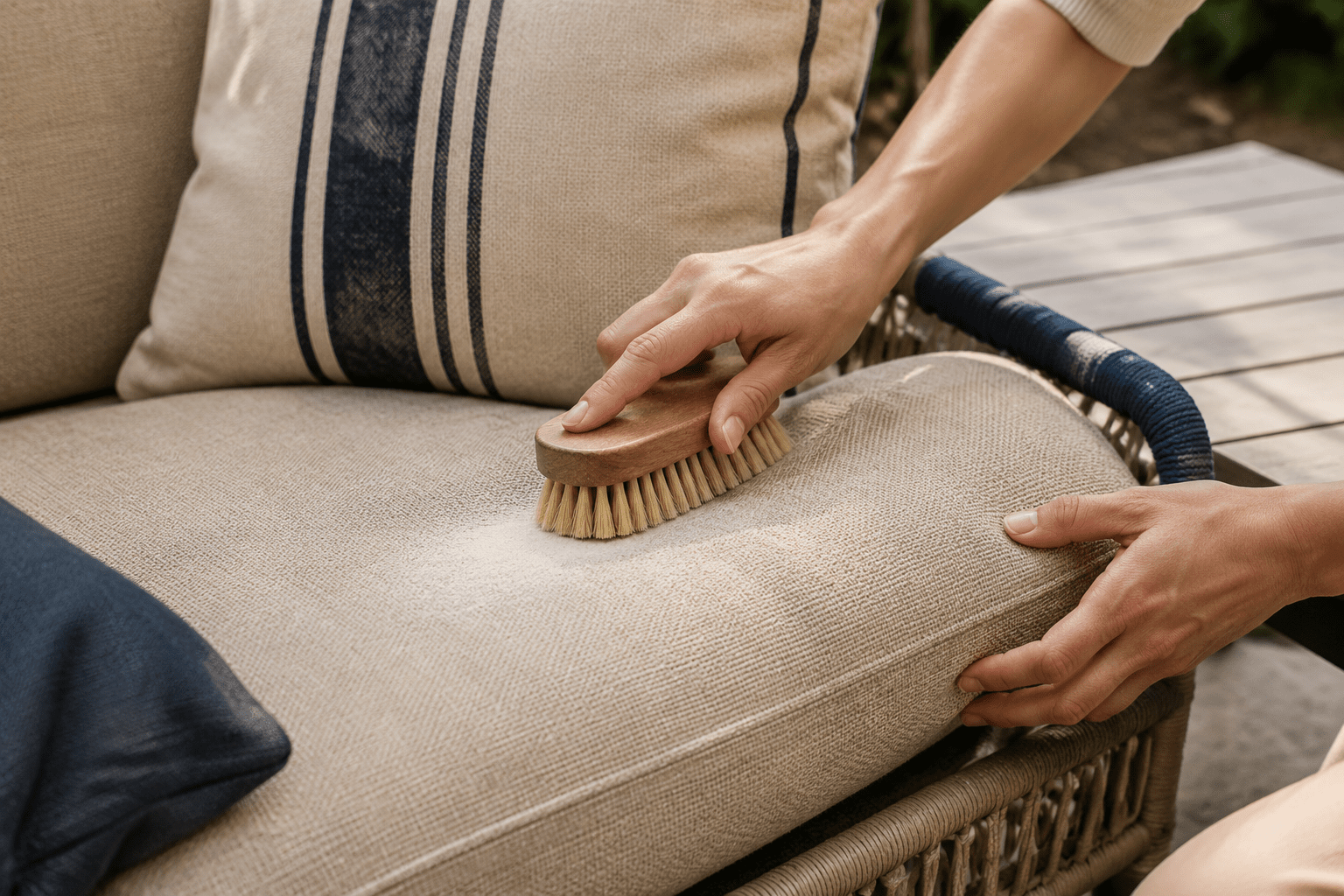
Foam: keep dry, rotate, sun-dry after soaking — extend cushion life. Fiber: fluff weekly, wash covers not cores. Down: fluff daily-ish, professional clean, never wet. Quick-dry: stand on edge to drain, done. All of it: dry completely before winter storage — the storage guide.
How We Spec Fills on Real Orders
The decision table above compressed use cases; here is how the same thinking plays out on the actual order types our desk handles, because real orders combine constraints:
- – Hampton Bay deep-seating replacements (Spring Haven-class: 23.5 × 27 seats, 24.5 × 20.5 × 7 backs) — 50D HR seats with plush wrap, high-loft fiber backs in channel-ticked bags. The thick back cushion is a fiber piece on purpose: a 7″ foam back would be heavy, expensive and overly rigid for leaning.
- – Chaise lounges — 50D+ seat core (full body weight, reclined, for hours), softer back; the thickness-density pairing logic is in chaise measurements.
- – Dining sets — 35D at 2.5″–3″: thin but dense, because dining cushions fight table height more than they fight fatigue.
- – Bench and window seats — 50D+ for benches (one spot gets all the sitting: bench guide), 50D for favorite reading spots (window seat guide).
- – Uncovered patio everything — the water argument outranks the comfort argument when cushions live in rain; our outdoor line pairs waterproof covers with high-density foam, and for permanently uncovered seating a marine-specialist reticulated core is the honest buy.
The pattern: seat = foam by density, back = fiber by loft, exposure = foam type by drainage. Nearly every spec question resolves into one of those three slots.
Fill Myths Worth Retiring
Three beliefs that survive because they sell, not because they are true:
- “Memory foam means premium.” In seats it usually means mismatched — visco’s physics serves lying, not sitting (the full analysis). A 50D HR core outperforms it in every seat duty.
- “Thicker is better.” Thickness without density is volume of future dish. A 4″ 50D core beats a 6″ 24D core in comfort and lifespan — and costs less in foam.
- “Down is the luxury end of every cushion.” Down is the luxury surface; the luxury structure is the down-wrapped HR core. Down-only seat cushions flatten like fiber and cost triple.
FAQs
What is the best filling for outdoor seat cushions?
High-resilience foam at 35D–50D density, or quick-dry reticulated foam for uncovered exposure — density is lifespan, so it is the one spec worth paying up for.
Are fiber-filled seat cushions any good?
As seat cores, no — fiber packs flat within a season of real sitting; it belongs in back cushions and pillows where squash is the goal.
Is down worth it for cushions?
Indoors for the luxury feel, yes — ideally as a wrap around an HR core; outdoors, never: down absorbs and holds moisture.
What’s inside premium cushions that makes them feel different?
Layering — a firm HR core with a plush or memory topper delivers support and surface comfort together, which single-fill cushions cannot.
Can I replace just the foam in my existing cushions?
Yes — measure the old core, order a cut-to-size replacement, and re-cover; the DIY walkthrough is how to replace cushion foam.
Best Outdoor Cushion Fabric: How to Choose by Climate, Exposure and Budget
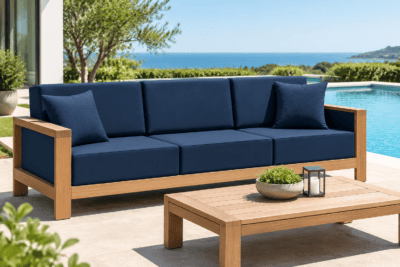
A factory guide to outdoor cushion fabrics — solution-dyed acrylic, olefin, polyester grades and blends — ranked for fade, water, mold, comfort and cost per year.
Is Sunbrella Fabric Worth It? An Honest Cost-Per-Year Analysis
Whether the Sunbrella premium pays off depends on sun exposure, horizon and color — here’s the honest math, warranty mechanics and when to skip the upgrade.
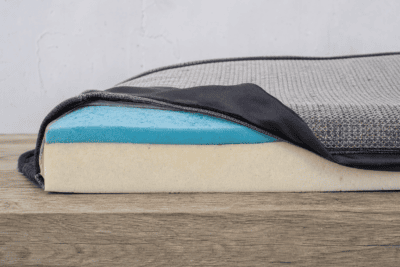
Memory Foam Topped Cushions: When Gel Layers Help (and Hurt)
Memory foam topped cushions and gel-infused layers examined — where a visco topper over HR foam genuinely helps, where it hurts, and the layer specs that separate luxury from a gimmick.
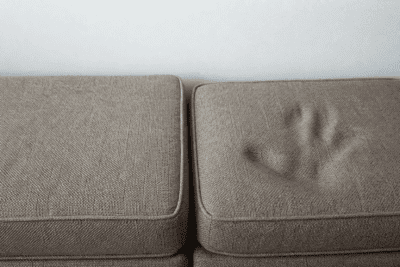
Memory Foam vs Regular Foam Cushions: What a Cushion Factory Wants You to Know
Memory foam vs high-resilience foam for seat cushions — density (35D–65D), ILD firmness, compression set and airflow explained by the people who cut foam daily.
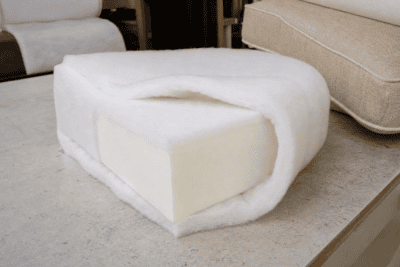
Dacron Batting: The Wrap Layer Explained (What It Does and When to Order It)
Dacron batting for cushions explained: the polyester wrap layer around foam cores, what it does for feel edges and fabric wear, thickness options, indoor and outdoor uses, and when the wrap earns its cost.
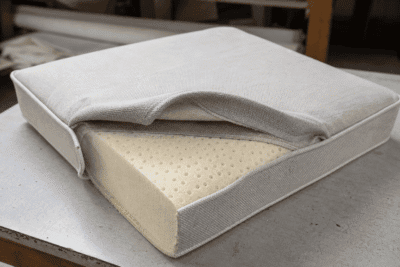
Latex Foam Cushions: Natural Rubber Seating, Honestly Assessed
Latex foam cushion guide: what natural and blended latex actually offer versus polyurethane — resilience, feel, lifespan, weight and cost — who latex seating serves, and the honest counterarguments.