
Your sofa has a frame problem or a foam problem, and the price tags differ by an order of magnitude. Most “worn out” sofas are worn-out cushions on a perfectly healthy frame — which makes replacement cushions the repair, not the compromise. This guide runs the decision with real numbers from a real customer order, a four-path cost table, and the honest cases where a new sofa is the right call. We make custom cushions, so we will say plainly when you should not buy from us.
The Customer Who Ran Both Numbers
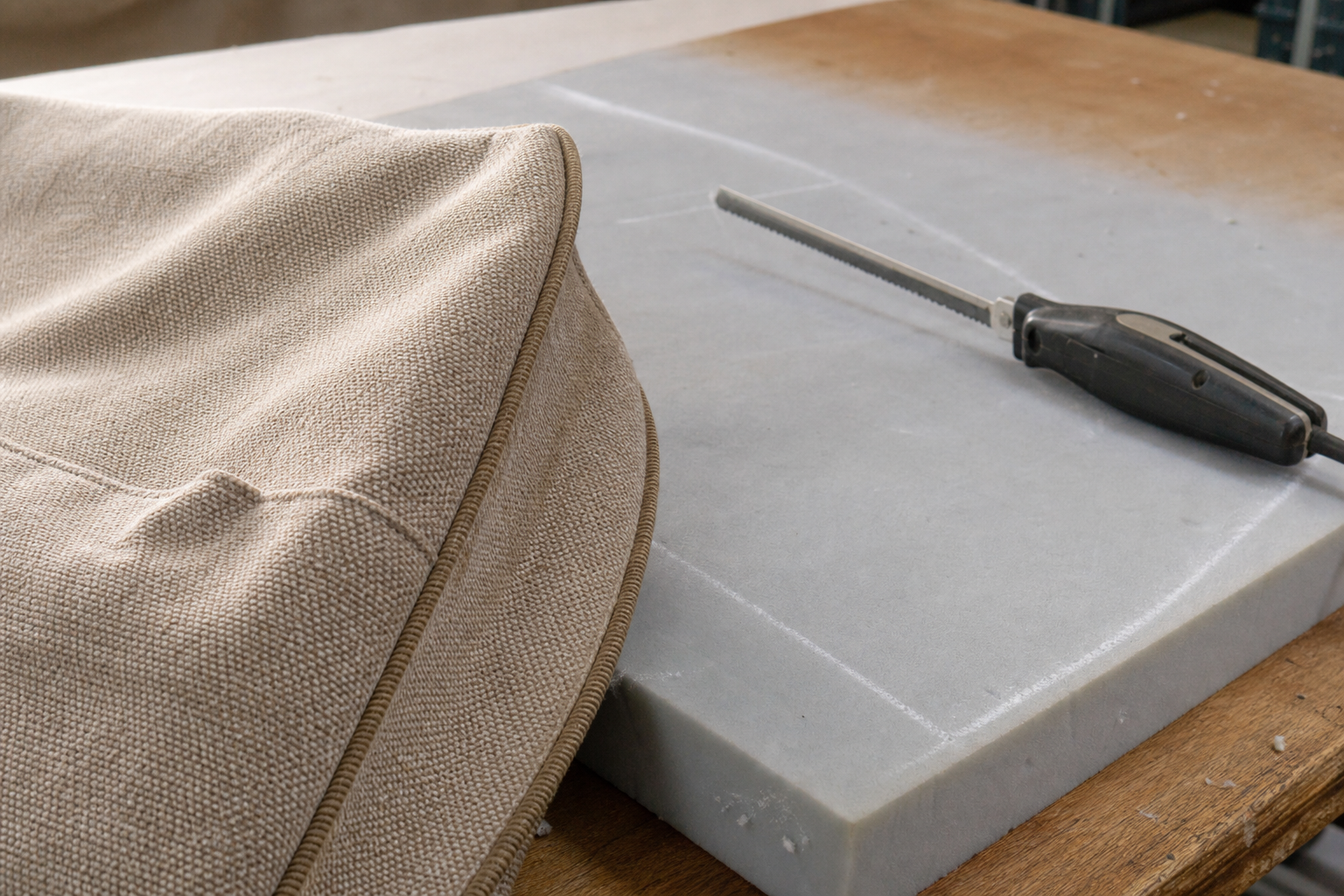
In September 2026, a customer we will call Matt re-cushioned his four-seat IKEA Kivik for $834 — complete replacement cushions with upgraded high-density cores, cut in one production run so every block matched. The equivalent new Kivik listed at roughly $900–$1,100 at IKEA US at the time, before delivery fees and before figuring out what to do with the old sofa. On sticker price alone, the two options were nearly tied. He replaced the cushions anyway, and the reasoning holds for almost any sound frame.
His Kivik was eight years old. Both seat centers had dished; the foam had lost its push-back; the covers were worn pale at the front edges. But the frame was solid — no creaks, no wobble, joints tight. The new-sofa quote sheet, tallied honestly, was sticker price plus delivery, plus the half-day of getting a 300-pound sofa out of the house. And the new sofa would have shipped with the same commodity-grade foam that had just died under him — the same failure scheduled again in five to seven years.
The $834 bought foam two full density grades above original, fabric he picked himself, zero disposal, zero delivery wait, and a sofa that already fit the room. We cut replacement cushions for the IKEA Kivik regularly; his order is a typical one, not a showcase.
The 30-Second Decision Test
Three questions decide this. One: is the frame solid — no creaks when someone sits down hard, no wobble when you push the arm, legs and joints tight? Two: does the size and layout still fit your room and your household? Three: is the fabric — or the sentiment — still worth keeping? Three yeses: replace the cushions. Any no: read the buy-new signals below before spending anything.
Each question has a physical test. Frame: lift one corner a few inches and let it drop — a sound frame lands with a dull thud, not a rattle. Fit: if you have already been shopping for a different shape, sectional, or sleeper, that is your answer. Fabric and sentiment: the first-apartment sofa, the one the kids grew up on — these get re-cushioned; the sofa you never loved gets replaced.
Four Paths, Side by Side
For a four-seat sofa in 2026: DIY foam cores run roughly $120–$360 for the whole set; complete custom cushions run about $500–$900 (Matt paid $834, upgraded cores included); a local upholsterer typically quotes $600–$1,500 to re-stuff or re-cover; a comparable new sofa runs $900–$3,000+ plus delivery and disposal. The cheapest path is not automatically the shortest-lived — the foam grade you choose decides that.
| Path | Typical cost, 4-seat set | Turnaround | Service life | Upgrade headroom |
|---|---|---|---|---|
| DIY foam cores only | ~$120–$360 | Days–2 weeks (shipping) | Set by the foam grade you buy | Highest — any density, any firmness |
| Complete custom cushions | ~$500–$900 (from $126/seat) | 3–6 weeks delivery | 10+ years on 50D cores | Highest — new foam and new fabric |
| Local upholsterer | ~$600–$1,500 (varies by market) | 2–8 weeks (shop queue) | Set by the foam they stock | Limited to their suppliers |
| New sofa | $900–$3,000+ plus delivery & haul-away | Same day–12 weeks | Mid-market: ~5–7 yrs on commodity foam | None — factory standard |
Two disclosures, since we sell the second path: upholsterer ranges above are published national averages, and your local market can sit well outside them — get a real quote. And DIY foam-only is a legitimate path when your covers are still good; see our covers vs. full replacement breakdown for when it holds up.
Four Signs Replacement Cushions Win
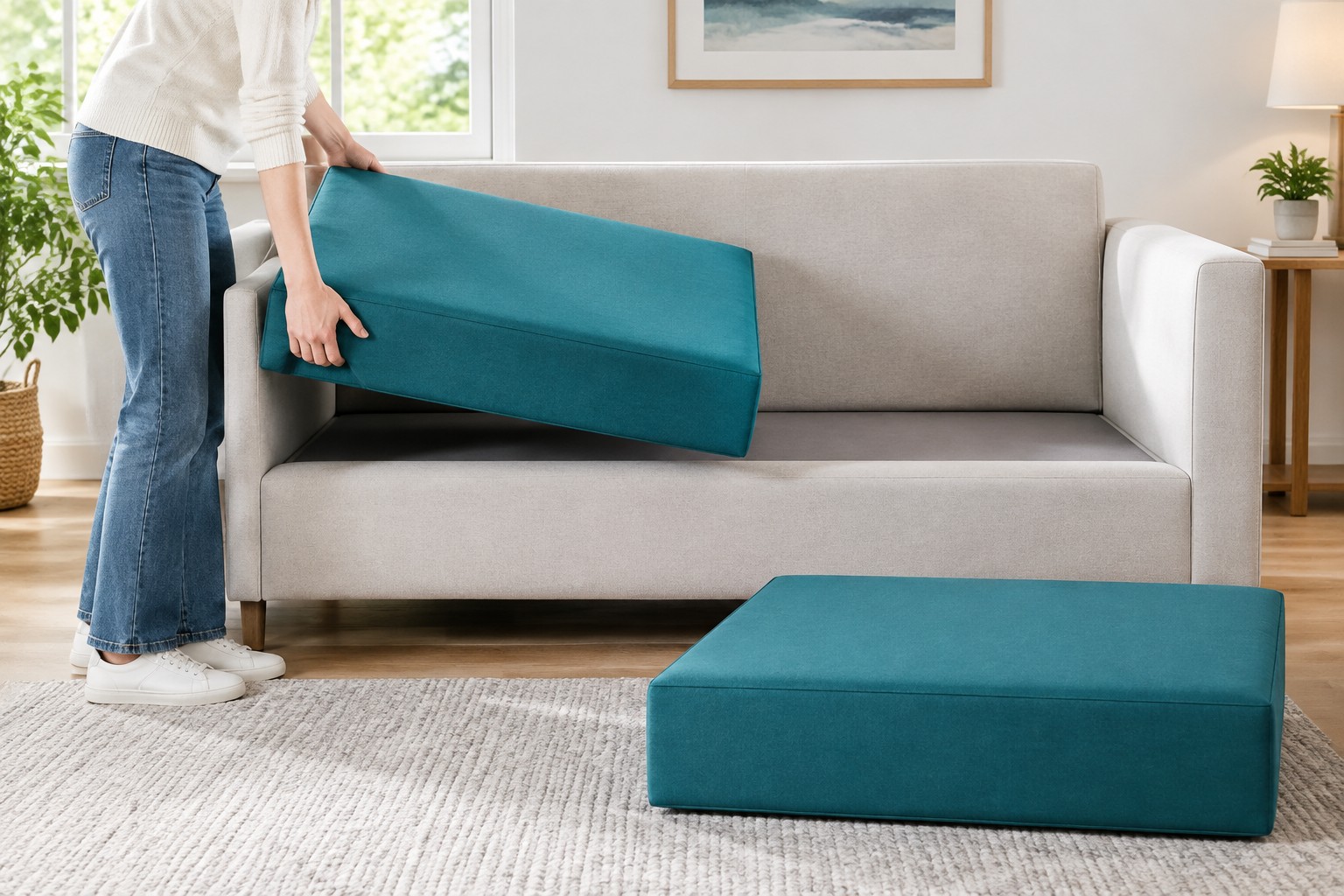
Replace the cushions when the frame passes the corner-drop test, the footprint still fits your room, the fabric or the memory attached to the piece still earns its place, and the full quote lands under about half the price of an equivalent new sofa. All four true is the textbook case — exactly where Matt’s Kivik sat.
1. The frame is genuinely sound. Tight joints, no rattle, springs quiet under a hard sit-down. The frame is the expensive 70% of a sofa; the cushions are the consumable 30%.
2. The size still fits. You are not trying to solve a too-big, too-deep, wrong-shape problem. Cushions restore a sofa; they do not redesign it. (If depth is the issue, custom deep-seat cushions can change the sit more than you would expect.)
3. The fabric or the sentiment is still worth it. Covers in good condition make the foam-only math work; sentimental pieces justify any of the four paths.
4. The quote stays under ~50% of new. A full four-seat set around $834 against a $1,000 replacement is a clear win. Cross the 50% line and the arithmetic starts arguing with you.
Three Signs You Should Buy a New Sofa
Buy new when the frame itself is failing — loose joints, cracked rails, creaks under normal sitting; when the structure is damaged, like a broken spring deck or collapsed suspension; or when the cushion quote exceeds roughly half the price of a comparable new sofa. In that last case especially: do not buy from us. The math does not work, and a workshop that sells you the wrong job has sold you nothing.
One distinction matters before you write the sofa off: sagging is not structural. Cushions that dish, slide, or need daily fluffing are foam problems with foam solutions — our how to fix sagging couch cushions guide separates the recoverable from the terminal. A frame that shifts when you lift a corner, arms that rock, a seat deck that has fallen — those are frame obituaries. No cushion, ours or anyone’s, re-tensions a broken joint.
New Cushions Can Beat the Original — That’s the Point
Original cushions on mid-market sofas are engineered to a price: commodity polyurethane around 1.8 lb/ft³ — 18D in the ×10 density convention our catalog uses — that dishes within a few years of real family use. Replacing cushions is the one moment you can spec 50D high-resilience cores instead: firmer support, roughly double the service life, on the frame you already own. Calling it “restoration” undersells it. It is the only upgrade path a sofa offers.
A new sofa at the same price point hands you the same commodity foam again — the same failure on a five-to-seven-year timer, plus delivery and a landfill date for the old frame. The density ladder, and how far each rung goes before it flattens, is laid out in cushion foam myths. Density is the number that predicts the years; firmness is bought separately.
How to Measure in Three Steps
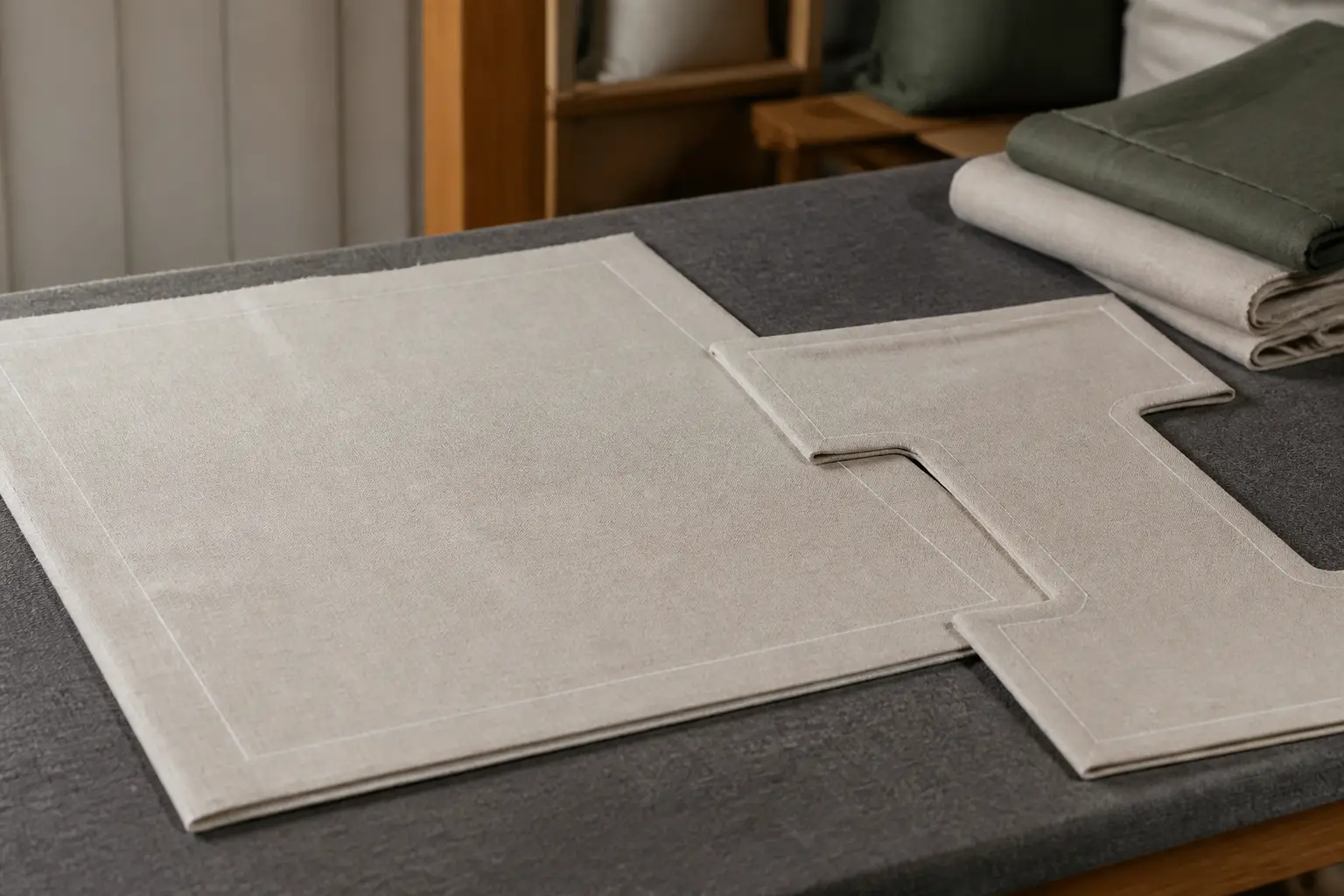
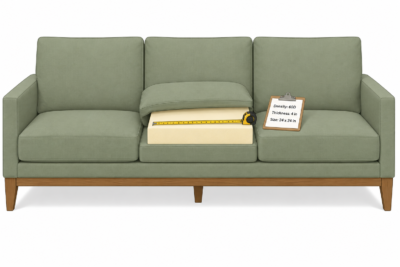
Measure the old cushion, not the gap: length × width × thickness taken at the seams, cushion resting flat, tape snug but not stretched — then measure twice and trust the number that repeats. No usable cushion left? Measure the frame’s clear opening instead, arm-inside to arm-inside and front rail to back. Sketch T-cushion notches and curves rather than describing them. Our cutting tolerance is ±½″ (±¾″ over 36″).
1. Lay the old cushion flat and measure at the seam lines — width, depth, and thickness without compressing or fluffing it. 2. Cross-check against the frame opening; if the two disagree by more than an inch, the cushion was likely cut oversized — the same measuring method we photograph step by step here applies indoors. 3. Note anything non-rectangular — notched T-seats, rounded front corners, attached backs — because those details, not the rectangle, decide the pattern. The custom sofa cushions page walks the same steps beside the configurator, and these measurement mistakes are the ones we catch most often.
Frequently Asked Questions
How much does it cost to re-stuff couch cushions locally?
Published national averages put professional re-stuffing at roughly $75–$200 per cushion, with a four-seat set commonly quoted $600–$1,500 once labor and fabric handling are included. Markets vary widely; two local quotes beat any national number. Ask which foam grade they install — that, not the labor rate, sets how long the fix lasts.
How long does replacement sofa foam last?
By density: commodity 18–24D foam holds one to two years of hard daily use; 35D holds five to ten; 50D and above is a ten-year-plus daily-duty core. Matt’s order specified 50D. The years scale with the grade, which is why the cheapest foam is rarely the cheapest outcome.
Can I replace sofa cushions myself?
The foam-only version, yes: unzip the covers, measure the cores, order cut-to-size foam, and seat it — our foam cutting guide covers trimming at home. It works when covers are in good condition. When covers are worn or you want the set re-sewn in new fabric, that is a workshop job, not a Saturday one.
Is replacing cushions the same as reupholstering?
No. Reupholstery is a fabric project — it strips and re-sews the covers and usually preserves whatever core was already dead inside. Cushion replacement is a core project: new foam, new covers, new loft. If your sofa’s problem is collapse rather than faded fabric, reupholstering it is renovating the paint on a burned house.
My cushions have spring units. Will all-foam cores feel different?
Yes, and you should plan for it. Spring-unit seats (bonnell or pocketed coils in a pad) feel bouncier and bottom out differently than a solid high-resilience core, which feels more even and supportive through the sit. Most people adjust within two weeks; some prefer it permanently. Tell the workshop which feel you are coming from so they can compensate in thickness.
Should I replace all four cushions or just the worst one?
All four, in one run. New cores sit measurably higher than half-dead ones, and mixing old and new blocks leaves a visible height mismatch across the seat — plus one dye lot guarantees the fabric matches. The second-worst cushion is always closer to dead than it looks.
The Bottom Line
A sound frame, a footprint that still fits, fabric or sentiment worth keeping, and a quote under half the new price: when those four line up, replacement cushions win almost every time — and with an upgraded core, the sofa comes back better than the day it was delivered. Custom sofa cushions start at $126 per seat block, quoted in four steps. If you are re-furnishing before the holidays, order in the next few weeks: workshop queues lengthen from late October, and the sofa everyone sinks into on Thanksgiving should not be the one that swallows them.
Get a quote for your sofa cushions → — or start from the custom couch cushions configurator if that is the word you use.
Couch Cushion Foam Replacement: Density, Cost and Buying Guide
Replace couch cushion foam in one right order: 50D vs 60D density, measuring the old core, four ways to buy, and real worked prices for one seat and a full set.
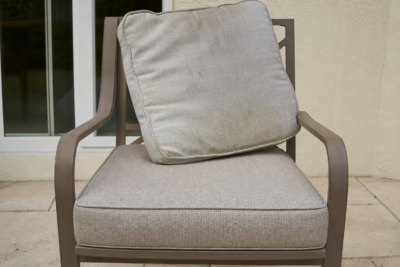
Where to Buy Replacement Patio Cushions: 5 Ways, Compared
Five ways to replace patio cushions — the set maker’s parts program, seasonal aisles, universal-fit listings, specialists and measured custom — plus the Home Depot house-line route with 31 measured collections.
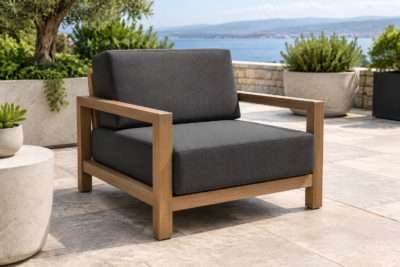
Why Is Patio Furniture So Expensive? The Cost Anatomy, Explained
What actually drives patio furniture prices — weatherproof materials, UV-stable finishes, marine-grade hardware, freight on bulky goods, and seasonal retail economics — why the good stuff costs 3-5x the box-store set, and where the value concentrates.
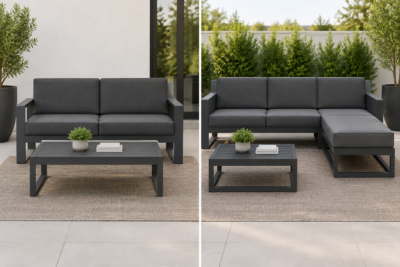
Patio Set vs Buying Separately: The Real Trade-offs
Buying a complete patio set versus assembling pieces: price coherence and one-click convenience versus fit-to-space precision, mixable quality and replacement flexibility — how to decide, and the hybrid strategy that captures both sides.
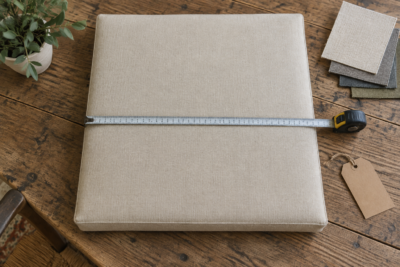
How Much Do Custom Cushions Cost? Price Ranges by Shape (2026)
Custom cushions cost USD 50-400 depending on shape, size, density and fabric. Live factory-direct price ranges for bench, window seat, outdoor, sofa and boat cushions — and how to price your own.
Outdoor Cushion Foam: Density and Thickness Guide With Real Numbers
Short answer: for a daily-use outdoor seat, order 3 inches of foam at 50D–60D; move to 4 inches and 60D