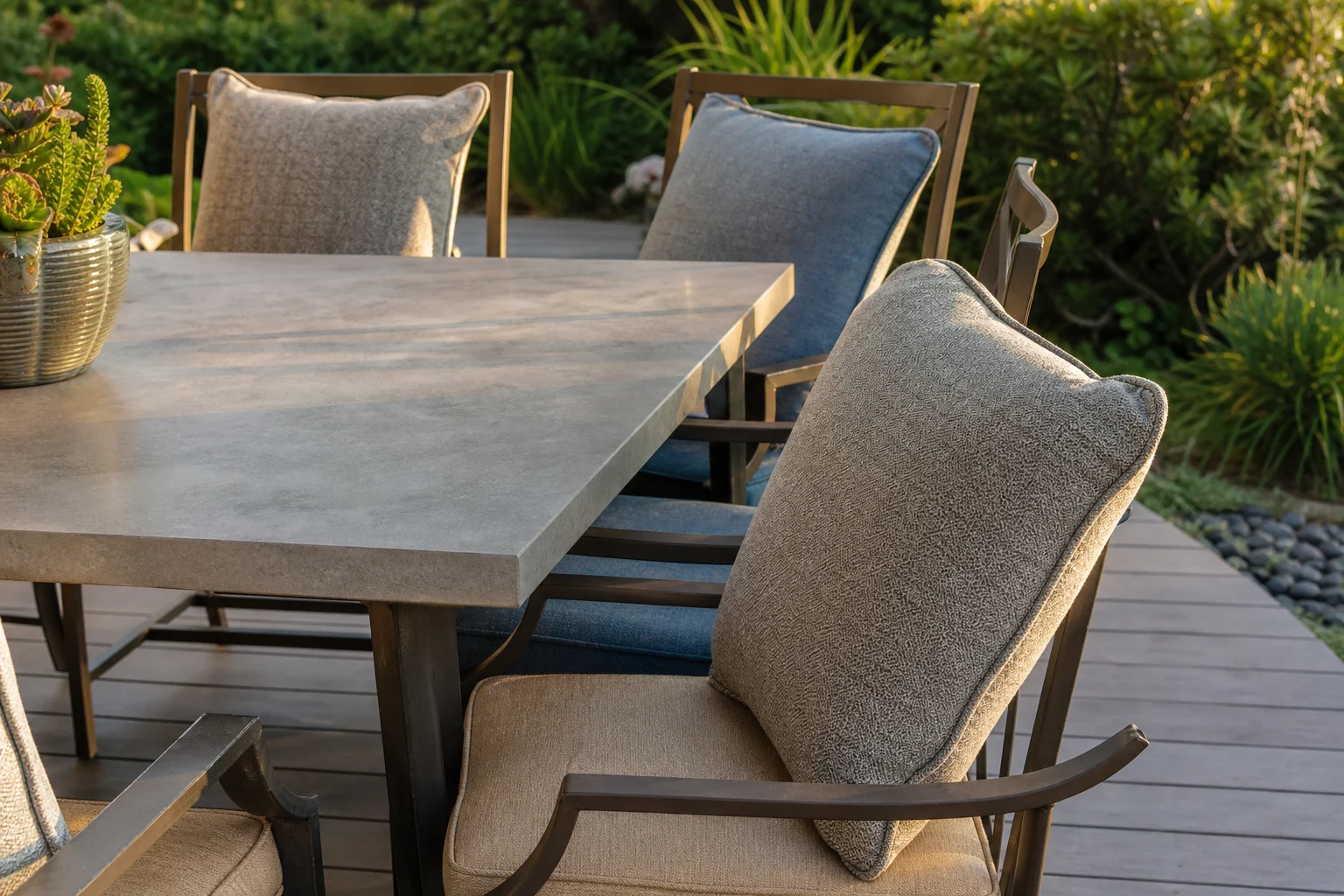
Buying replacement outdoor cushions in 2026 is genuinely harder than it should be. Retail shelves are full of cushions that photograph beautifully and die in a season, labels say “premium” and “weather-resistant” without a single verifiable spec, and the price spread is enormous — a quick survey of the custom market shows loveseat replacements running anywhere from $216 (mass-cut, non-custom) to $578 (premium fabric, US-sewn), with everything in between.
This guide is the full checklist we wish every customer arrived with — the same things our order desk checks on every order before it hits the cutting floor. It works whether you buy from us, from a big-box store, or from any custom shop. Work through the seven sections in order; each ends with the specific question to ask any seller.
(If you already own the furniture and just need the fit right, the deep-dive is how to measure outdoor cushions; if you are choosing fabric first, start at best outdoor cushion fabric. For chair-type specifics, see the Adirondack guide and wicker guide; to check your numbers against known patterns, the size calculator guide.)
Section 1: Fit — Where Every Purchase Actually Starts
A beautiful cushion that does not fit is a return. Two paths, decided by one fact:
- – Your furniture matches a known pattern (Hampton Bay sets, and dozens of others): order the stock replacement pattern — proven fit, faster turnaround. Check the replacement cushions hub: Spring Haven, Santa Rosa, Edington are the most-ordered, with Middletown and Pembrey close behind.
- – Nothing matches (discontinued lines, one-off benches, custom builds): measure and order custom — full protocol in the measuring guide, numbers straight into the custom cushions builder.
For patio and garden sets specifically, the custom outdoor cushions page starts the builder one step in — outdoor-rated fabric families pre-filtered, common patio standard sizes on the same page.
The trap: “universal fit” and “standard size” cushions. Useful only if your frame happens to match — and you verify by measurement, not by hope. The standard sizes chart tells you exactly when a stock size is safe.
Ask any seller: do you hold a verified pattern for my furniture series, or will I be measuring from scratch?
Section 2: Fabric — Buy the Tier That Matches Your Sun
The 2026 fabric market in one paragraph: piece-dyed polyester (cheap, soft, fades in direct sun within a season or two), olefin/polypropylene (solution-dyed, the value pick for full exposure), performance blends (mid-tier), and solution-dyed acrylics — Sunbrella and Tempotest at the top (structural fade resistance, 5-year warranty, bleach-cleanable). The full ranking with climate matching is best outdoor cushion fabric; the head-to-head is Sunbrella vs regular outdoor fabric.
The 2026-specific notes:
- – “CushionGuard”-style coatings on big-box cushions are repellent finishes, not fade solutions — they wear off with abrasion and washing. Real fade resistance comes from solution dyeing, a construction, not a coating.
- – Dark saturated colors (navy, black, deep green) are unforgiving: in any real sun, solution-dyed fabric is effectively the only choice that holds them.
- – Verify claims: “UV resistant” is not a spec. Ask what construction — solution-dyed or piece-dyed, and what warranty in years.
Ask any seller: is this fabric solution-dyed or piece-dyed, and what is the fade warranty in years?
Section 3: Foam — The Spec That Decides Year Five
The most under-asked question in the category. Density (measured in the ×10 convention — 35D ≈ 3.5 lb/ft³) is durability: 18–24D foams dish within a season or two; 35D–50D is the seating sweet spot; 60D+ is commercial grade. Density is independent of firmness (ILD) — a hard cheap foam still dies young. Full explanation with the compression-set test: memory foam vs regular foam.
Rules for 2026:
- – Any seller who cannot state foam density is selling the cheapest foam the market bears. That single question filters more junk than any other on this list.
- – For uncovered outdoor placements, ask for quick-dry reticulated foam — the water-management logic is in waterproof cushions explained.
- – Thickness is not quality: 4″ of 50D beats 6″ of 24D in every way that matters — see thick outdoor cushions: 4″–8″ cores at high density.
- – Memory foam as a seat core is a red flag (slow recovery, heat-softening, water-holding); as a thin topper over HR foam, it is luxury done right. Fill menu: cushion filling types.
Ask any seller: what density is the foam core, and is it rated for outdoor drainage?
Section 4: Construction — Where Cheap Cushions Are Actually Cheap
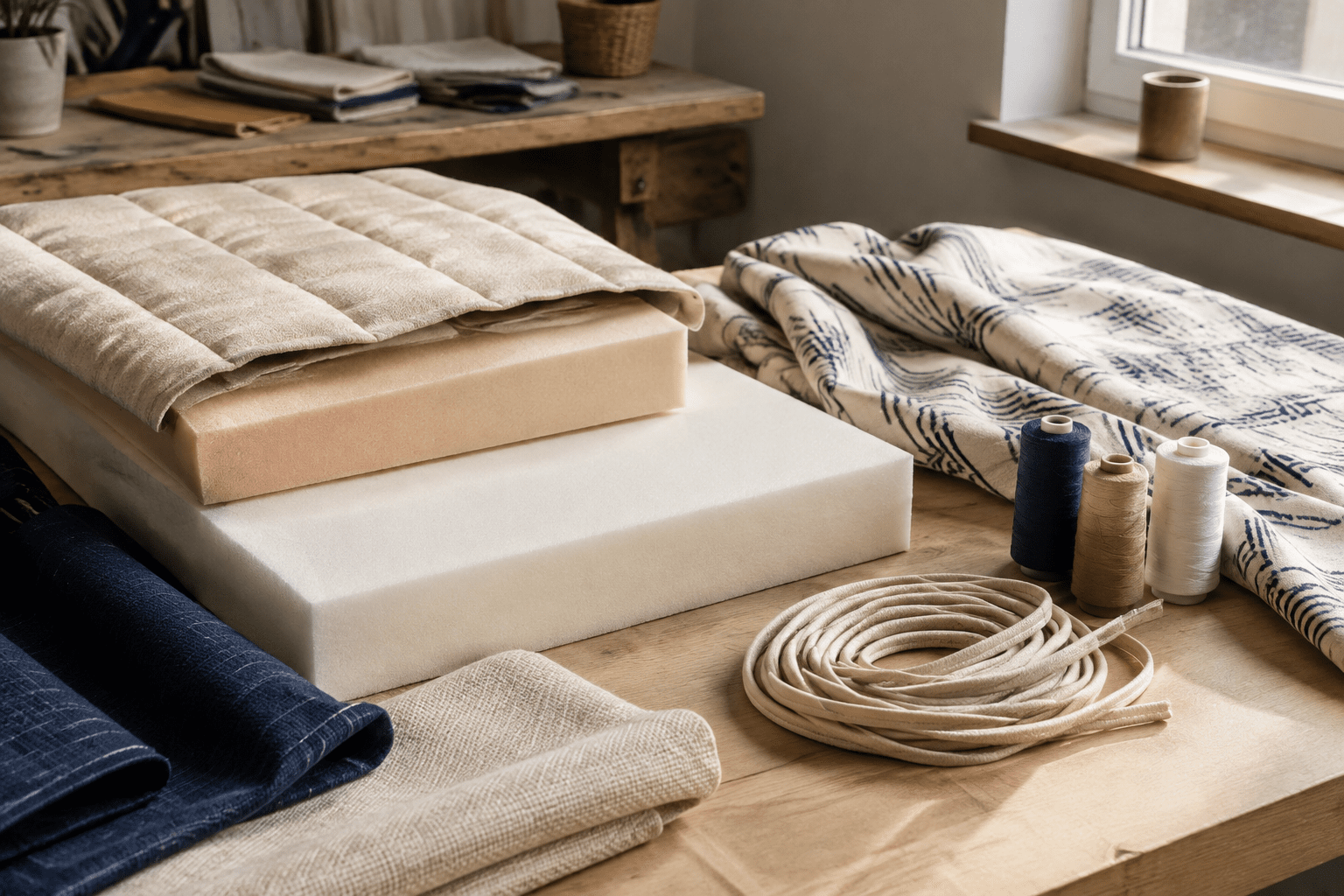
Hold two cushions of “the same” fabric and foam grade and the price difference lives in the sewing. Check:
- – Thread: UV-rated polyester thread is standard on quality outdoor cushions; generic thread rots in sun years before the fabric gives out — look for “UV-stabilized thread” in specs.
- – Seams: double-stitched or bound seams; single straight seams are the first failure point in rain and friction.
- – Closure and cleanability: check how the cover cleans and how it is built to age — wipe-clean families keep the weather maintenance humane, and construction details are what make a cushion serviceable across fabric generations (replacement covers).
- – Ties: sewn into the seam (structural), not tacked onto the surface. Wrong tie placement is a top cause of sliding cushions — measure tie positions like everything else (covered in the measuring guide).
- – Corners: radius-cut to match your frame if your frame is rounded.
Ask any seller: what thread, what seam count, and can I order a cover-only replacement later?
Section 5: Price — What Things Should Cost in 2026
Benchmarks from our 2026 market analysis of the custom segment (full data in the outdoor cushions price guide):
| Piece | Custom, Cotton Linen | Custom, Premium Velvet | Mass-cut (non-custom) |
| Ottoman | $93 | $100 | ~$54 |
| Dining chair | $76 | $81 | — |
| Lounge chair | $108–135 | ~$117 | — |
| Chaise | $255–290 | ~$282 | — |
| Loveseat | $192–326 | ~$361 | ~$216 |
| Sofa | $469 | ~$522 | — |
(Our 2026 rates, 50D foam, add-ons excluded.)
How to read it:
- – The price is the area × (foam rate + fabric rate), mostly. Pieces are priced by top area at a density-thickness foam rate plus a fabric-family rate; shapes are priced by bounding rectangle — a round costs the same as the square it fits in; and the $45 base per order is why small pieces are never proportionally cheap.
- – Cheap loveseats are cheap because they are not custom — mass-cut universal shapes that fit average frames. Fine when they fit; measure first.
- – Rush compresses the lead time (a ~10% fee is the market norm); standard production runs 2–6 weeks across the custom market — ours is 4-7 days of crafting inside a 3–6 week delivery, with a 3-5 day rush.
- – Watch shipping: flat-rate shipping is the norm in custom; “free shipping” is priced in.
Ask any seller: what is the price in my two fabric choices at my measurements, delivered?
Section 6: Timeline and Service — The 2026 Realities
- – Custom production runs 2–6 weeks depending on the shop — ours makes and ships in 4-7 business days on 4-7 days of crafting, with rush at 3-5 days. Big-box stock is immediate but is not custom.
- – Order-desk review is a service mark of quality shops: a human checks your measurements against your photos before cutting. It is the cheapest quality control in the industry — our own version is described in cushion measurement mistakes.
- – Remake policy: ask before ordering what happens if the fit is wrong — who pays when the error is theirs (they should) versus yours (measurement insurance exists).
- – Returns on custom: generally restricted by nature (cut-to-order); this is why measurement review matters more than return windows.
Section 7: Color and Style — Decide Once, Correctly
Practical color logic for 2026:
- – Dark colors show fade and pollen; solution-dyed fabric only (see Section 2).
- – Light colors (sand, ivory, gray) mask fade and wear — the forgiving zone.
- – Patterned fabrics hide stains and dirt between cleanings — practical for dining cushions (cleaning methods here).
- – Match to frame, not to memory: photograph your frame in daylight and choose from physical swatches; screen color is unreliable for saturated tones.
The fuller framework — undertones, contrast with frame materials, sun-bleaching behavior by shade — is its own guide: choosing cushion colors.
The 2026 Red-Flag List, Compressed
- No stated foam density
- “Waterproof” claims on sewn cushions (why that’s impossible)
- Piece-dyed dark fabric marketed for full sun
- Surface-tacked ties; single-stitched seams
- No measurement review before cutting
- Prices far below the custom benchmarks without being non-custom (something got cut — usually the foam)
The One-Paragraph Buying Decision
Measure your frame (or match a known pattern); pick fabric by sun exposure and color depth; insist on stated foam density (35D+ for seats); check thread, seams and zippers; sanity-check price against the table above; buy where a human reviews your order. That sequence — fit, fabric, foam, construction, price, service — is the entire category. And if your furniture is a common Hampton Bay set, half the work is already done on the replacement cushions hub.
The 30-Second Checklist Version
For the buyers who scrolled: the entire guide compresses to seven questions, one per section, asked in order —
- Does a verified pattern exist for my furniture, or have I measured properly?
- Is the fabric solution-dyed or piece-dyed, and does that match my sun hours?
- What is the stated foam density (35D+ or walk away), and is it drainage-rated if uncovered?
- UV thread, double seams, hidden zipper, seam-set ties?
- Does the quoted price decompose into area × (foam + fabric rates), and is it inside the benchmarks?
- Does a human review my measurements before cutting?
- Have I seen physical swatches in real daylight?
Seven yeses is a sound order at any price point. Three or more noes means the cheapest line item — you — is about to subsidize the most expensive one: a remake.
2026 Market Notes: What Changed Recently
Three shifts worth knowing as you shop this year’s market:
- – Lead times have normalized but queue in spring. The custom segment runs 2–6 weeks at normal volume, but March–May orders queue behind everyone else’s — off-season ordering (see the price guide) skips the queue entirely.
- – Solution-dye has moved downmarket. Olefin and blended solution-dyed fabrics now appear at mid-market prices, shrinking the real gap between “premium” and “standard” tiers — the question is no longer just premium-or-not but which solution-dyed, covered in best outdoor cushion fabric.
- – Cover-only ordering has gone mainstream. What used to be a special-request is now a standard product across the market (ask for a cover-only quote where you buy) — which changes replacement math: quality foam plus two cover generations is now a deliberate strategy, not an improvisation (the economics).
Buying for Specific Furniture Types
The seven sections above are universal; each furniture type adds its own one or two decision points. The short per-type supplements, in order of how often we cut them:
Deep seating / conversation sets (Spring Haven-class): the thickest cushions in the category — 5″ seats, 7″ backs — so foam quality shows fastest here. Back cushions are the fiber-build exception worth knowing: high-loft fiber in channel-ticked bags is the correct spec, not a cost cut (fills explained). Check tie placement against the frame’s loops before ordering.
Chaise lounges: three decisions compound — hinged or two-piece construction, thickness (comfort vs hinge-binding above 5.5″), and hinge position for one-piece builds. The full walkthrough: chaise measurements. Spec solution-dyed fabric; chaises get the most sun on any patio.
Dining sets: table-height discipline caps thickness at 2.5″–3″, so density carries comfort — 35D minimum. Patterned or mid-tone fabric hides food soil (color logic). Verify the seat depth includes no back-cushion overlap, the classic dining measuring error.
Benches and gliders: inside-fit vs overhang decision first, then thickness-by-use (the table in bench measurements). Gliders add one check — clearance at full glide so the cushion doesn’t scissor at the mechanism.
Sectionals: order per-piece, not per-linear-foot — corner pieces, armless chairs and chaise ends are separate patterns with separate dimensions (trapezoid corner cushions are common and need both widths recorded; see the measuring guide). Budget note: sectionals are where the foam-and-fabric spec moves the most money — the fabric family adds only ~10%, so put the budget into density and thickness on a set this size (price math).
Window seats and indoor benches: the sill-clearance thickness constraint plus radius corners — window seat guide. Fabric can follow interior logic; foam still follows outdoor discipline if the seat takes real daily use.
FAQs
What should I look for when buying outdoor cushions?
Five things in order: correct fit (measured or pattern-matched), fabric construction matched to your sun exposure, stated foam density (35D+), quality sewing (UV thread, double seams, hidden zippers), and a seller who reviews measurements before cutting.
How much should I spend on replacement cushions?
Expect roughly $108–135 per lounge chair and $192–361 per loveseat for custom (standard to premium fabric, foam spec moving the band as much as fabric); substantially less only via mass-cut non-custom shapes or degraded specs.
Is it worth buying custom instead of stock cushions?
When your frame does not match a stock pattern — which measurement determines — custom is the only path to a proper fit; when it does match, stock patterns are cheaper and proven (standard sizes).
What fabric should I choose for cushions in full sun?
Solution-dyed acrylic (Sunbrella, Tempotest) or olefin — constructions where color runs through the fiber; details in best outdoor cushion fabric.
How long do quality outdoor cushions last?
Fabric 5+ years in solution-dyed acrylic (warranty-backed), foam 5–10 years at 35D+ density; the pairing, plus storage discipline each winter (storage guide), sets the real service life.
Sofa Foam Cut to Size: How to Order Exact-Fit Foam
How to order sofa foam cut to size — measuring the core, adding the compression allowance, specifying density, thickness and shape, and the checklist to run before any foam is cut.
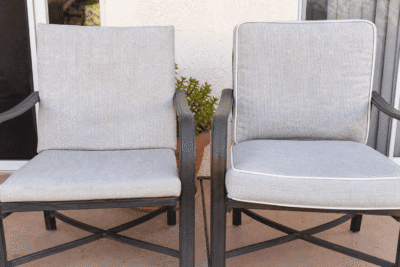
Cheap vs Quality Outdoor Cushions: Where the Money Actually Goes
What separates a $15 cushion from a $60 one and a $150 one — fabric construction, fill, stitching and covers — which upgrades matter, which are markup, and how to buy the quality your furniture actually needs without overpaying.
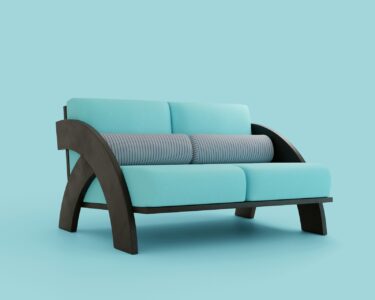
Couch Cushion Foam Inserts: Measure and Order New Cores
A foam insert replaces the flattened core inside the covers you already own. Measure seam to seam, pick 60D seats and 50D backs, and price the set in one order.
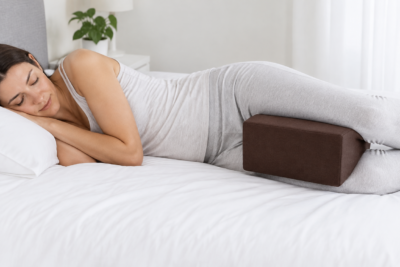
Knee Bolsters for Side Sleepers and Back Sleepers: A Firm Support Guide
A firm half-round D bolster fills the gap between the knees for side sleepers and under both knees for back sleepers. Heights, densities and lengths explained — positioning and comfort, made to order.
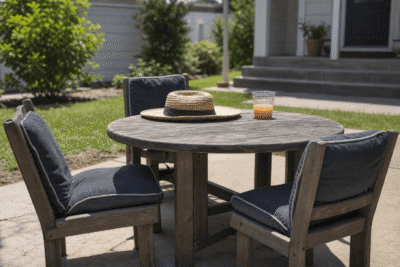
Kid-Friendly Patio Cushions: The Family-Proof Spec
Cushions that survive children — fabric families that shrug off juice and markers, construction that wipes fast, foam that handles jumping duty, attachment systems that stay put and stay safe, and the two-layer strategy that saves the good cushions.
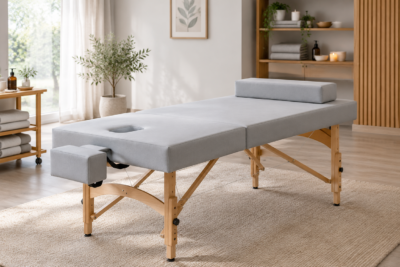
Massage Table Bolsters: Firmness, Sizing and Placement
A firm foam wedge is the positioning tool a massage table lacks. Four set sizes for ankles, knees, wrists and side-lying, solid 50D or layered builds, fabric choice included — priced 20% below custom.