
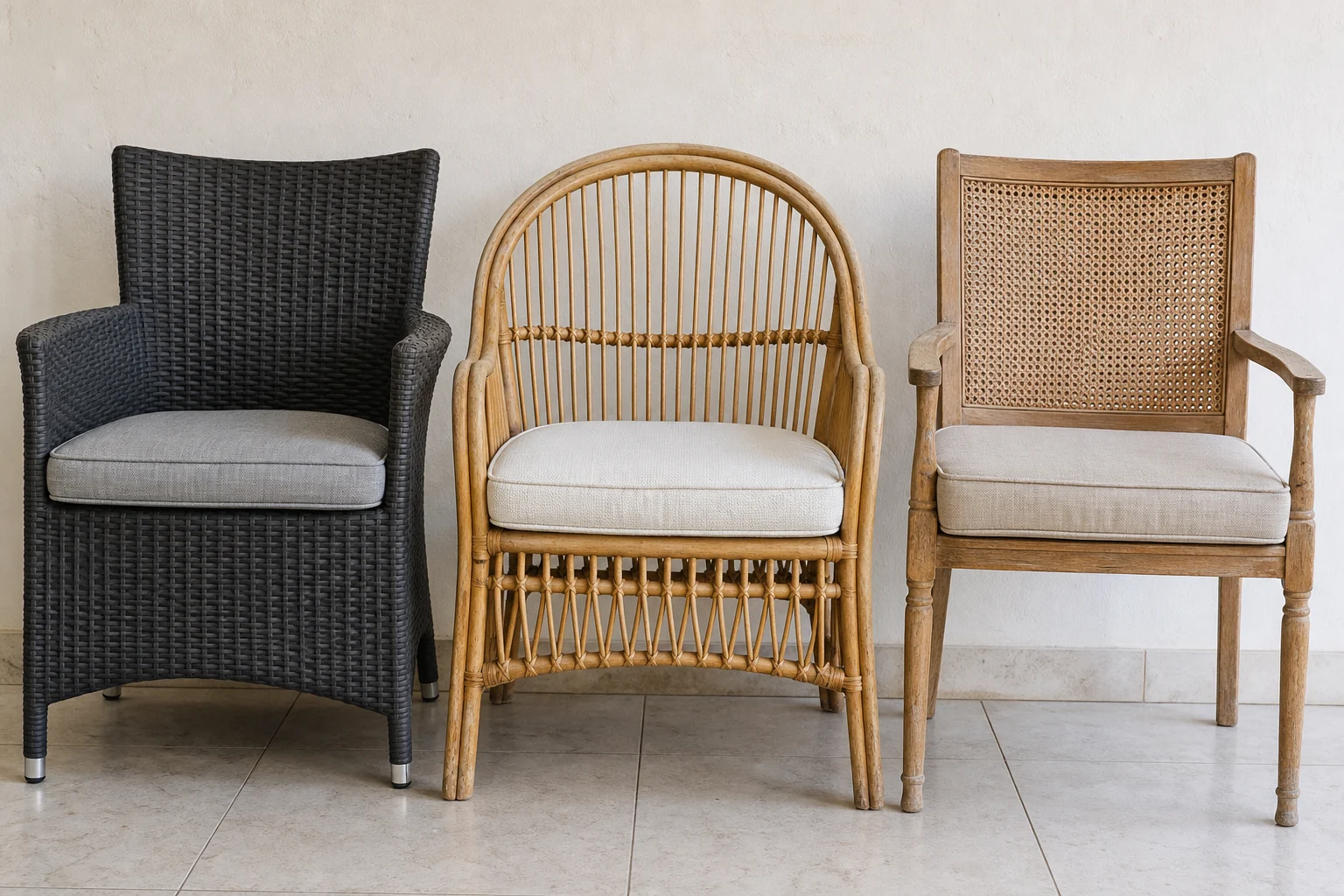
Ask a furniture store for “wicker” and you might be shown rattan, resin, cane-webbing chairs, or woven HDPE — four materials that share a look and almost nothing else. The confusion isn’t carelessness; the words genuinely overlap. Rattan is a material (a climbing palm), wicker is a method (weaving), and cane is both a specific part of the rattan plant and a specific weave — and the distinctions decide everything that matters downstream: whether a piece can live outdoors, what it weighs, how it ages, and which cushions fit it.
This is the vocabulary, sorted once. For the cushion side of woven furniture: wicker furniture cushions; for the material families in depth: types of wicker materials.
Rattan: The Material
Rattan is a climbing palm from Southeast Asia — a solid-core vine (unlike bamboo, which is hollow) that grows in lengths up to hundreds of feet. Its properties made it the original woven-furniture material:
- – Solid core, strong in bending — rattan takes curves, wraps, and load, which is why whole frames are bent from thick rattan poles and skins.
- – Naturally flexible when heated, rigid when cool — the steam-bending craft behind classic rattan chairs.
- – Indoor-native. Natural rattan degrades in sun and rain — UV embrittles it, moisture molds it. Genuine rattan belongs indoors or on covered porches, the exposure line drawn in is wicker furniture waterproof.
You’ll also see the skin of the rattan vine sold as “rattan peel” or — when woven — as cane. So rattan is the plant, and several other words in this guide are parts of it.
Wicker: The Method
Wicker is not a material. It’s the umbrella term for woven construction — any material (natural rattan core, rattan peel, paper fiber, resin, HDPE) worked in a weave pattern over a frame. “Wicker furniture” tells you how it was made, not what it’s made of, which is why a natural wicker chair and a resin wicker chair can share the word while differing in every physical property:
- – Natural wicker (rattan core or peel, reed, willow): the classic indoor craft — beautiful, traditional, and sun-and-rain fragile.
- – Paper fiber wicker: the early-20th-century factory version (fiber rush), indoor only, and a common material in antique pieces (vintage and antique furniture cushions covers the cushion side of antiques).
- – Resin and HDPE wicker: the modern outdoor standard — woven synthetic over aluminum frames, weatherproof by chemistry, the material family that made “wicker” a patio word at all. The full family breakdown is in types of wicker materials.
So when a listing says “wicker,” the next question is always woven from what? — that answer sets the care rules, the outdoor suitability, and the lifespan expectations (how long does wicker furniture last).
Cane: The Part and the Weave
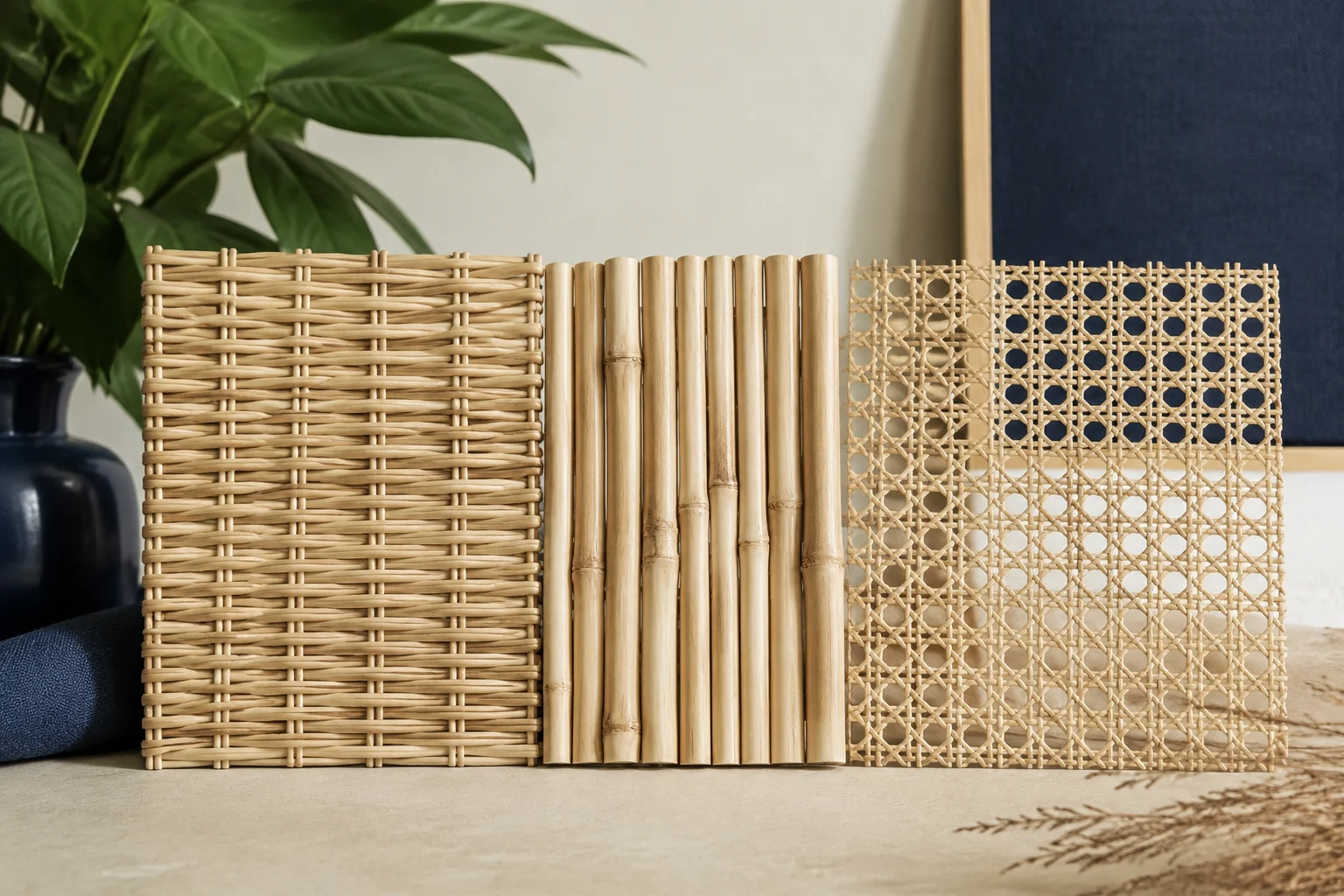
Cane is the peeled outer skin of the rattan vine, and the word carries two related uses:
- – Cane as material: the glossy, hard skin strands — strong in tension, smooth, non-porous compared to the porous core.
- – Cane as construction: the classic cane webbing (the hexagonal open weave seen in chair seats and backs — think Thonet café chairs and mid-century pieces) and wrap-caning, where a single strand is hand-woven through drilled frame holes. Sheet cane webbing in a groove is the factory version; hand-woven through-the-hole caning is the craft version.
Cane’s properties: it flexes under weight and returns (the seat “gives” — which changes the cushion question; see below), tolerates indoor humidity swings, and fails under sustained moisture and heavy sun. It’s an indoor material; the mistaken outdoor use of cane chairs is a common one-season loss.
The Comparison, In One Table
| Rattan | Wicker | Cane | |
| What it is | The plant/material | The weaving method | Rattan skin + open-weave construction |
| Indoor/outdoor | Indoor, covered porch at most | Depends on fiber: natural indoor, resin/HDPE outdoor | Indoor |
| Weight | Medium | Light to medium | Light |
| Sun tolerance | Low (natural) | Low (natural) to excellent (HDPE) | Low |
| Moisture | Molds, degrades | Natural molds; synthetic ignores it | Loosens, stains, sags |
| Typical use | Bent-frame classic chairs | Everything from baskets to patio sets | Seat and back panels |
| Cushion fit | Frames with edges — standard | Open weaves, irregular surfaces — tied/contour | Flexible seat — pads and thin cushions |
What Each Distinction Means for Cushions
- – Rattan frames tend to have defined seat edges — cushions sized to the seat opening, with the frame-first measuring logic from how to measure outdoor cushions.
- – Wicker (woven) seats are irregular and flexible: cushions want ties anchored to structural frame members (not the weave — the anchoring physics in how to add ties to cushions), and depth-filling thickness matters because the woven seat itself gives under load — 3″ minimum for daily sitting on flexible weaves.
- – Cane seats flex and breathe — a thin pad or 2″ cushion preserves the give (a thick stiff cushion defeats the seat’s design, and the pad-vs-cushion distinction in seat pads vs cushions is exactly this case). Cane chairs also have the classic problem that a flexible seat eventually sags — the re-caning decision, like all frame-versus-cushion economics, follows reupholster vs replace cushions logic.
And on any of them, a cushion that fits well is doing double duty: comfort, and a physical barrier between the weave and sun/moisture cycling — a covered weave ages slower than a bare one.
Care by Family, Briefly
The vocabulary pays off directly in care, because each family wants the opposite of the others:
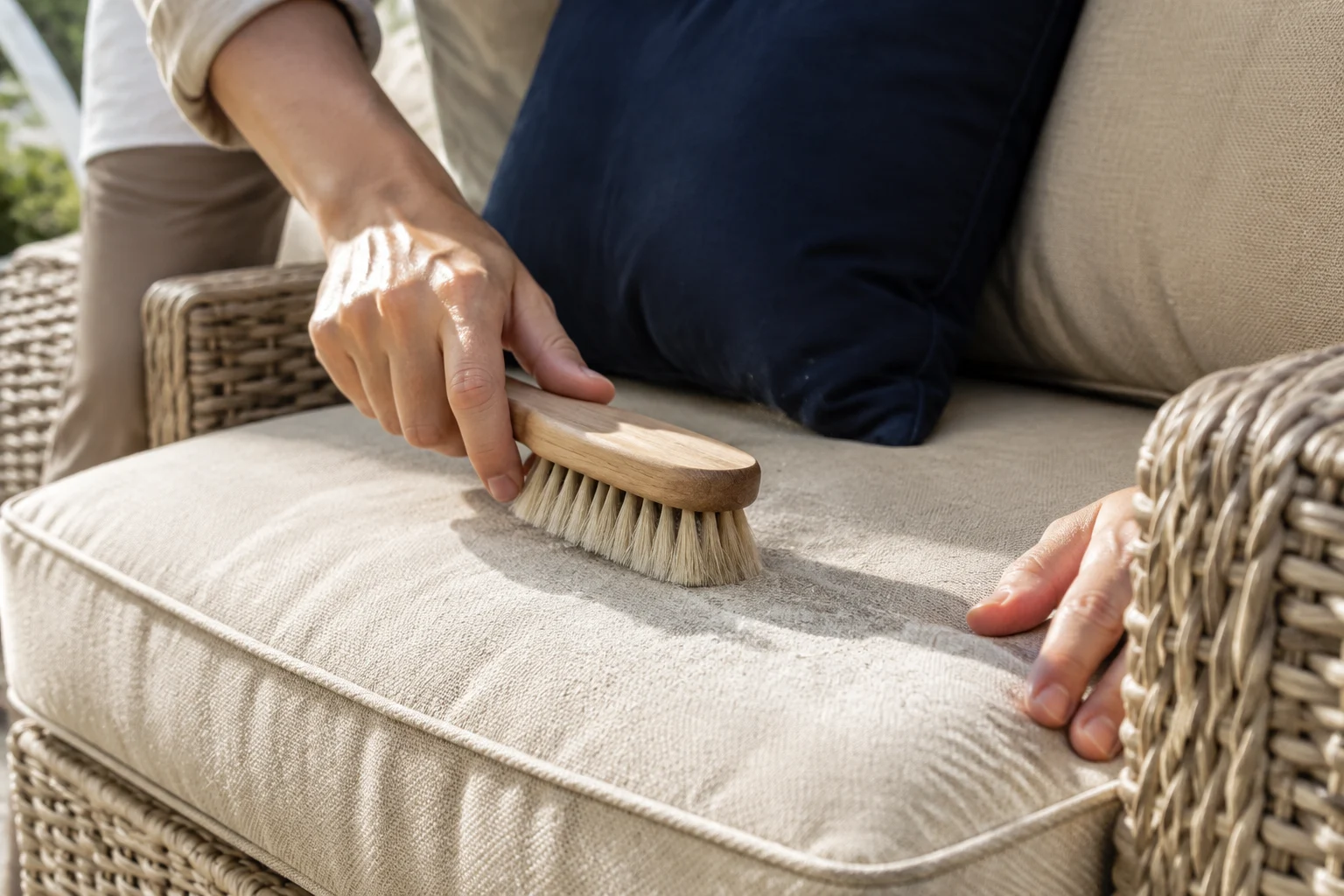
- – Natural rattan and cane: indoors, out of sun and away from heat; vacuum the weave, wipe with a barely-damp cloth, and feed the finish (furniture oil or wax per the piece’s original finish) once or twice a year. Winter heating seasons are when naturals crack — a humidifier in the room does more than any product.
- – Paper fiber: dust only, handle gently, never wet; it’s the family where “cleaning” does most of the damage.
- – Synthetic wicker: rinse monthly with a hose, occasionally with mild soap; that’s nearly the entire manual. The enemy is grime (which holds moisture against the frame), not the weather itself — how to clean outdoor cushions covers the same grime logic for the soft parts on top.
- – All families: the weave’s joints and wraps are the wear points — an annual inspection catches strand loosening and frame-rub while both are still repairs rather than failures, per the lifecycle staging in how long does wicker furniture last.
FAQs
Is wicker the same as rattan?
No — rattan is a material (a climbing palm), wicker is a weaving method; rattan can be woven wicker-style, but wicker can also be resin, paper fiber, or HDPE. “Wicker” tells you construction, not content.
What is cane made from?
The peeled skin of the rattan vine — a hard, glossy strand woven into the classic open webbing or hand-laced through frame holes. Cane is a part of the rattan plant used in specific weaves.
Can rattan or cane furniture go outside?
Not in the open — natural rattan and cane are indoor materials; UV embrittles them and moisture molds them. Covered porches are the boundary; real outdoor woven furniture is resin or HDPE wicker.
Which is more durable: rattan or wicker?
The question is really natural-fiber versus synthetic — resin and HDPE wicker outlast natural rattan outdoors by years, while quality natural rattan indoors lasts decades with care. The lifespan numbers are in the wicker-lifespan guide.
What cushions work best on cane seats?
Thin pads or 2-inch cushions — the seat’s designed give is part of the comfort, and thick stiff cushions defeat it. Ties at the back posts keep pads positioned on the open weave.
How do I tell what my woven furniture is made of?
Snap-test a strand (natural fibers break fibrous, synthetics stretch or melt-smooth), check weight and smell (natural rattan has a woody smell), and look at the frame — the identification cues are collected in how to tell indoor from outdoor wicker.
Next Steps
- Identify what you actually own — natural rattan, resin/HDPE wicker, or cane — using the indoor/outdoor identification guide.
- Match the cushion to the construction: tied cushions on open weaves, thin pads on flexible cane seats, edge-fitted seats on rattan frames.
- Spec the pieces at custom wicker cushions — contour and thickness chosen for the weave, delivered in 3–6 weeks — anchor retrofit ties to structural members, never the weave.
Types of Wicker Materials: Natural, Resin and HDPE Compared
Every wicker material family ranked — rattan core, paper fiber, bamboo, willow and reed on the natural side; PVC-resin and woven HDPE on the synthetic side — with outdoor ratings, lifespans and what each means for cushions.
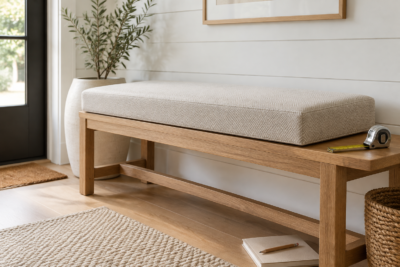
Bench Cushions: The Complete Guide to Sizes, Types and Custom Fit
A bench cushion is only as good as three numbers: the length and depth of the seat deck it sits
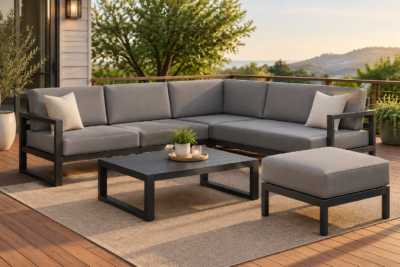
How to Buy Patio Furniture Online Without Regret: The Complete Method
The online patio-furniture method that prevents the classic regrets — dimension-verification discipline, photo-evidence buying, material questions to ask, shipping and return reality, and why custom cushions solve online’s worst problem: fit.
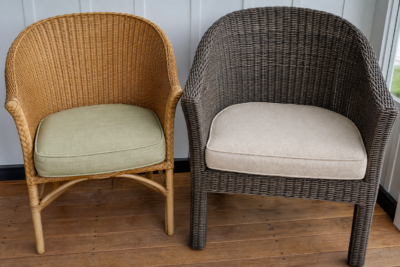
How to Tell Indoor from Outdoor Wicker: The Identification Guide
Five practical tests to classify any wicker piece — strand snap-test, frame magnet check, weave and weight inspection, tag and price decoding — and why getting this wrong is the most expensive wicker mistake there is.
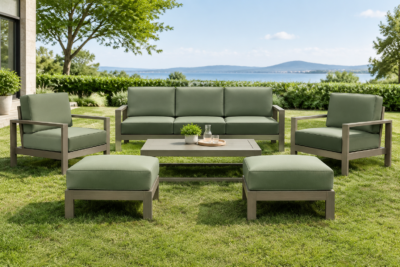
Patio Furniture Sets: How to Choose Seating Sets, Dining Sets and Modules
The patio-set decoder — set types by use pattern (dining, conversation, sectional, bistro), what set pricing bundles and hides, the OEM cushion problem, and the set-versus-separate decision made honestly.
Is Wicker Furniture Waterproof? The Honest Weather Answer
No wicker is waterproof and good wicker doesn’t need to be — how rain, humidity and sun actually affect natural and synthetic wicker, what ‘all-weather’ really means, and the protection habits that add years to either family.