
“Wicker” hides a material decision worth a decade of difference. Two chairs can look identical in a photo — same weave, same color, same silhouette — and one is natural rattan that belongs in a sunroom while the other is woven HDPE that will sit outside through ten winters. The material under the weave decides outdoor suitability, lifespan, weight, care, and even which cushion makes sense on top.
This is the material map: every wicker family, honestly rated. The vocabulary groundwork (rattan/wicker/cane distinctions) is in wicker vs rattan vs cane; the weather question specifically in is wicker furniture waterproof.
The Natural Family
Rattan core wicker. The classic: peeled rattan vines woven over rattan or hardwood frames. Beautiful, warm, flexible in use, and strictly indoor (or covered-porch) — UV embrittles the fibers, moisture hosts mold, and the material’s natural moisture cycles eventually crack. With real care (humidify, keep from radiators, keep out of sun), natural rattan wicker serves decades indoors; abused, it dries out in a few years. Antique and vintage pieces are usually this (vintage and antique furniture cushions).
Rattan peel / cane. The skin of the vine — glossier, harder, woven as seat webbing and wrapped edges. Same indoor verdict; same care. The flex under weight that makes cane seats comfortable also means cushions on cane want to be thin enough to preserve the give (seat pads vs cushions).
Paper fiber wicker. Twisted paper “fiber rush” — the early-1900s factory material of American wicker furniture. It looks like rattan, costs less, and is strictly indoor: paper fiber and moisture are enemies, and vintage paper-wicker pieces are fragile in exactly the ways age makes worse. Common in heirloom and antique-shop pieces.
Willow and reed. Traditional European and basketry materials — willow branches (whole or split) and woven reed. Rustic, characterful, and like all naturals: indoor or covered. Willow’s thicker strands make heavier, sturdier-feeling furniture than fine rattan weave.
Bamboo — the honorary mention. Bamboo gets listed as wicker-adjacent, but it’s a hollow grass used mostly in wrapped poles rather than fine weaving; it’s a frame and panel material, and outdoor-hollow-bamboo furniture fails at the joints (moisture in the culm) faster than any woven material. Know it to exclude it.
The Synthetic Family
PVC-resin wicker. The first-generation outdoor “all-weather wicker”: vinyl strands woven over steel or aluminum frames. It made wicker an outdoor word — waterproof, color-through options, cheap — and it has the honest weaknesses of first-generation chemistry: UV embrittlement over years (strands crack and shed), chalking, and the “plastic” hand-feel. Quality varies enormously with strand grade and UV stabilizers. Budget outdoor wicker sets are usually PVC-resin; a few seasons of good looks, then strand-by-strand retirement.
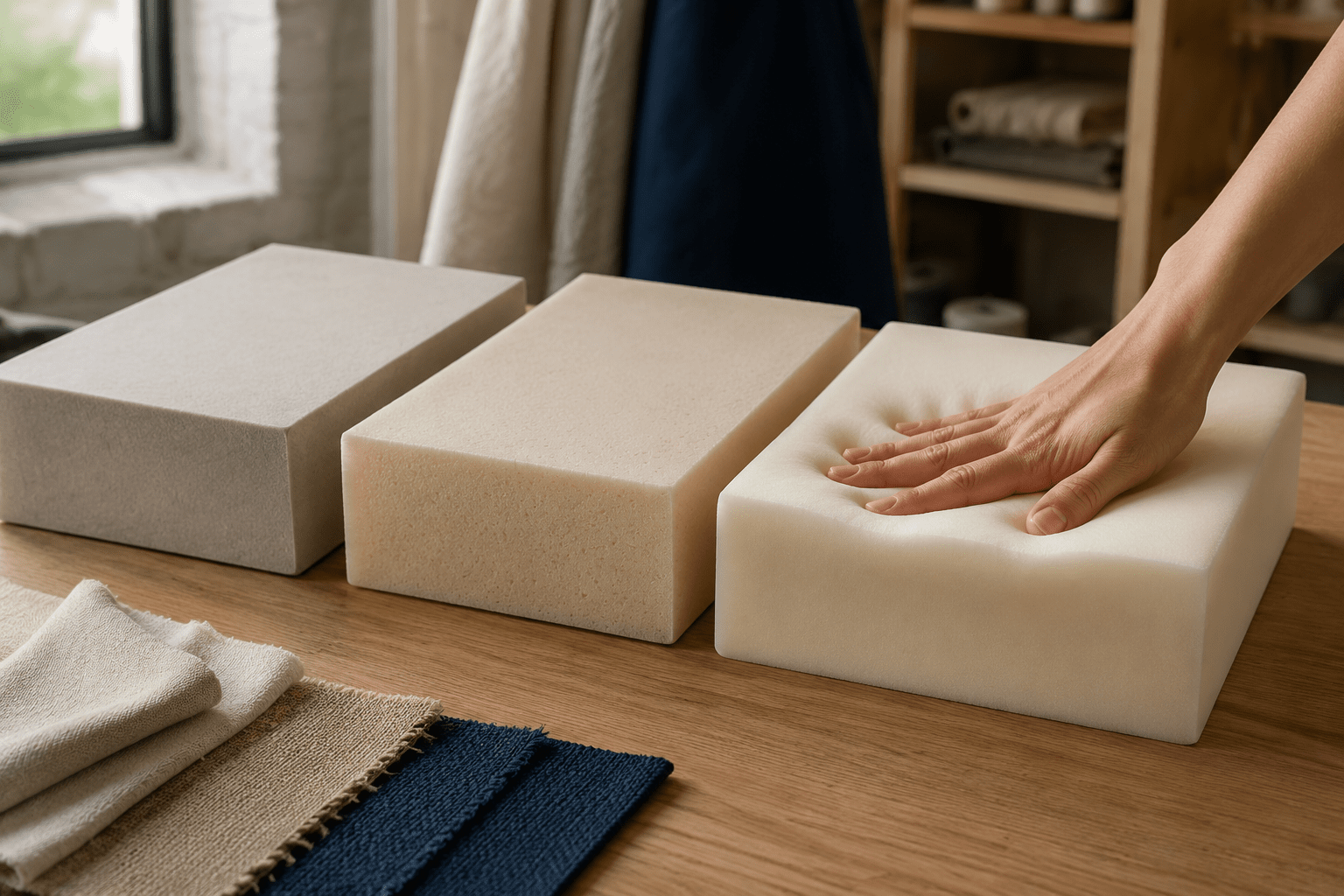
Woven HDPE — the modern standard. High-density polyethylene woven into wicker strands over powder-coated aluminum frames: the material that solved outdoor wicker properly. UV-stable for years (the same polymer family behind premium plastic lumber), truly all-weather, color-through with fade resistance, and it doesn’t embrittle the way PVC does. It’s also the pricier option, and the price is where the why is patio furniture expensive economics become visible — material chemistry is most of that story. Genuine woven-HDPE furniture is what “outdoor wicker” should mean today; how to verify you’re getting it is in how to tell indoor from outdoor wicker.
Mixed constructions. Real-world “wicker” furniture often mixes: aluminum frame + HDPE weave + polyester-wrapped cord accents. The weather rating follows the weakest material in the mix — a beautiful HDPE weave on a steel frame that rusts at the welds is a steel problem (most durable outdoor furniture ranks the frames).
The Ratings Table
| Material | Outdoor | Lifespan outdoors | Lifespan indoors | Weight | Cushion notes |
| Rattan core | Covered only | — | 10–30+ yrs with care | Medium | Edge-defined seats; standard sizing |
| Cane/peel | No | — | 10–30 yrs | Light | Thin pads preserve the give |
| Paper fiber | No | — | Fragile; age-dependent | Light | Delicate; lightweight pads |
| Willow/reed | Covered only | — | 15+ yrs | Medium-heavy | Sturdy rustic seats |
| PVC-resin | Yes | 2–5 seasons typical | Effectively unlimited | Light | Standard outdoor cushions |
| Woven HDPE | Yes, fully | 5–10+ yrs | Unlimited | Medium | The full outdoor cushion spec applies |
What This Means for Cushions
The material under the weave changes the cushion problem:
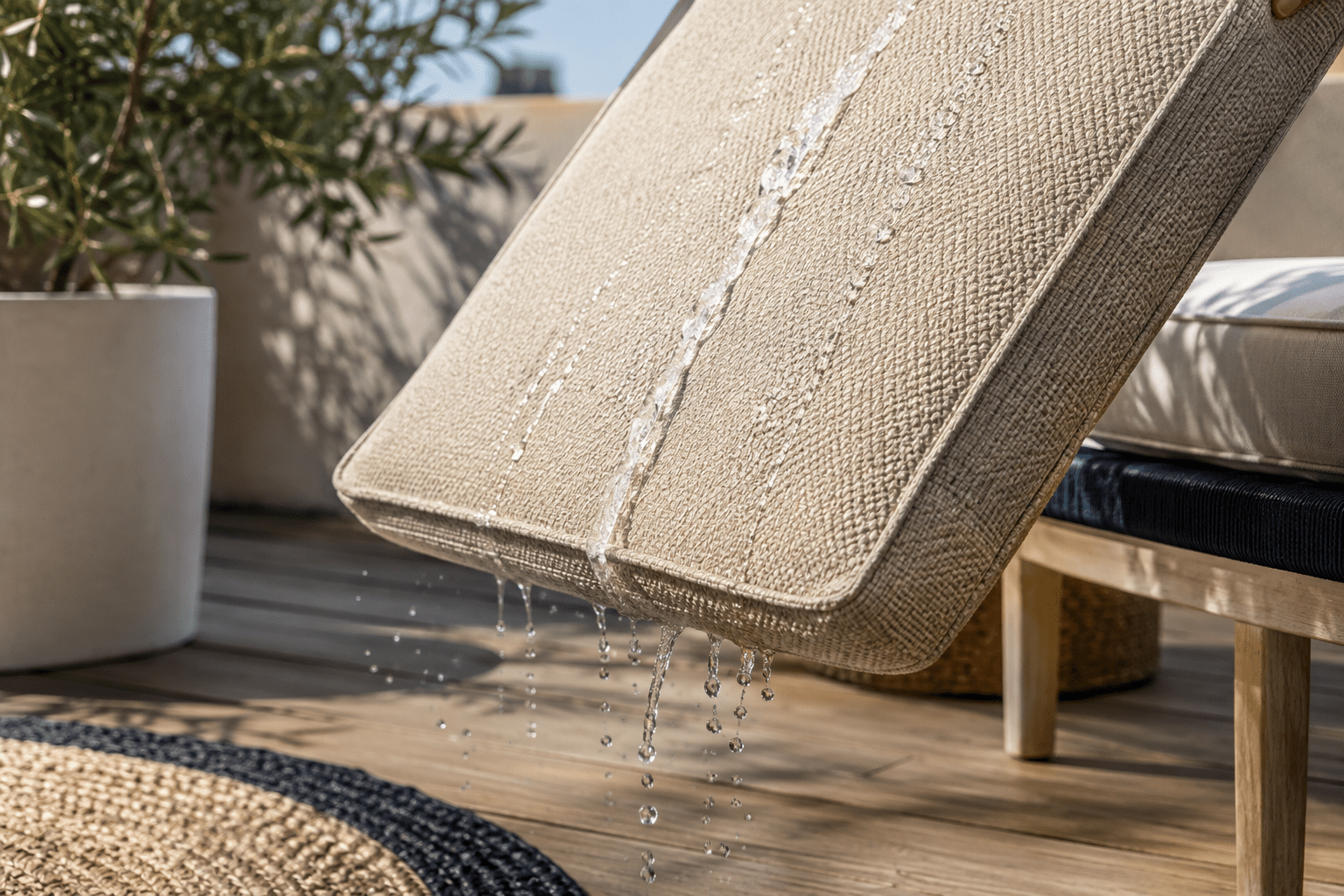
- – Open weaves flex — cushions want 3″+ thickness on flexible seats (bottoming through the weave is the natural-wicker comfort complaint) and ties anchored to structural frame members, never the weave itself (how to add ties to cushions).
- – Synthetic weaves hold moisture at the surface — quick-dry fill and breathable fabrics keep the cushion-weave interface dry, the moisture logic in how to prevent mold on outdoor cushions.
- – Natural weaves need the cushion as a sunshield too — even covered-porch naturals age slower under cushion coverage than bare.
- – The sizing rule stays universal: measure the seat, not the weave’s outer edges — how to measure outdoor cushions — and on irregular woven seats, contour shapes (T-cushions, trapezoids — cushion shapes) are common enough that custom cutting earns its keep.
Buying Guidance in One Paragraph
Indoors and love the traditional look: natural rattan from a reputable maker, cared for. Outdoors: woven HDPE over aluminum, verified (the check-list is in the indoor/outdoor identification guide) — PVC-resin only as a conscious budget decision with seasonal expectations. Anything labeled just “wicker” with no material named: ask, because the word alone has told you nothing, which was the entire point of this guide.
Frame Materials: The Other Half of the Decision
The weave gets the eye, but the frame is the structure — and the two must agree:
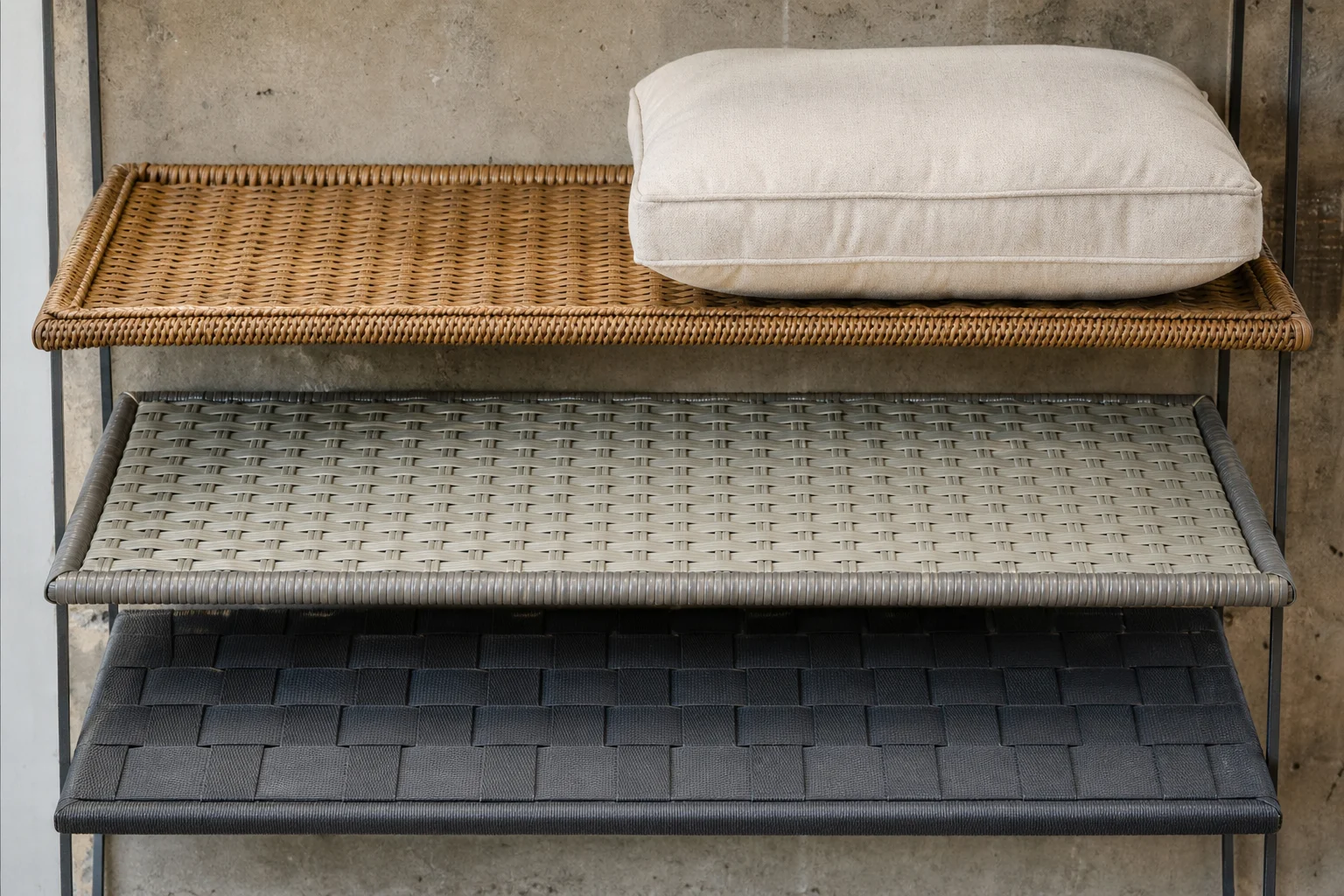
- – Aluminum — the outdoor standard: light, rust-proof, and dimensionally stable. The frame that makes “leave it outside” honest.
- – Powder-coated steel — strong and cheaper, with the standing maintenance task of watching coating damage: every scratch is a future rust site, and rust at joints bleeds through weaves.
- – Rattan pole and hardwood — the natural-furniture frames for natural weaves; gorgeous, bendable in craft hands, and strictly indoor in duty.
- – The mixed-set trap: a premium HDPE weave on an economy steel frame is a furniture set with two different lifespans wearing one skin. Buy the frame for the weave’s life expectancy and the set ages as one thing instead of one thing and its rusting skeleton.
The full frame-material ranking across all patio furniture (teak, aluminum, steel, and the rest) is in best outdoor furniture materials and most durable outdoor furniture.
The mixed-material reading. Real sets mix: HDPE weave, aluminum frame, polyester-wrapped cord accents, plastic foot caps. Read each component weather rating and let the weakest set the schedule — the weave that outlives its frame rust is a story staged in how long does wicker furniture last.
FAQs
What is the best wicker material for outdoors?
Woven HDPE over a powder-coated aluminum frame — UV-stable, all-weather, and it doesn’t embrittle like PVC-resin. PVC-resin is the budget option with 2–5 season expectations.
Can natural wicker furniture stay outside?
Not in the open — UV embrittles natural fibers and moisture grows mold; covered porches are the boundary. The full weather logic is in the waterproof guide.
How long does resin wicker last outdoors?
Typically 2–5 seasons for standard PVC-resin before strands crack and shed; woven HDPE runs 5–10+ years. The strand grade and UV stabilizers are what the price difference buys.
Is HDPE wicker worth the extra cost?
Outdoors, yes — the lifespan math over two PVC replacements favors HDPE, and the look and feel hold instead of degrading. The same economics as the patio-furniture cost story generally.
What cushions go on wicker furniture?
3-inch-plus tied cushions on flexible open weaves, anchored to structural frame members; quick-dry fill and breathable fabric on synthetic outdoor weaves. The full fit logic is in the wicker cushions guide.
How can I tell what my wicker is made of?
Snap a strand — naturals break fibrous, synthetics stretch; weigh it; smell it (rattan is woody); and check the frame material. The identification cues are collected in the indoor/outdoor guide.
Next Steps
- Identify your furniture’s material family — or the one you’re about to buy — using the strand-and-frame tests in how to tell indoor from outdoor wicker.
- Match the cushion spec to the weave: thickness for flex, outdoor fill and fabric for synthetics — and when you add ties as a retrofit, anchor to structural members, never the weave itself.
- Build the cushions at custom wicker cushions — contour options for irregular seats, waterproof-fabric-over-high-density-foam specs for outdoor sets, made and shipped in 4-7 business days.
Best Outdoor Furniture Materials: What to Buy for Your Climate and Budget
The material-by-material guide to outdoor furniture — teak, aluminum, steel, HDPE wicker, resin, recycled plastic and more — ranked for weather endurance, maintenance burden and cost, with the cushion spec each one implies.
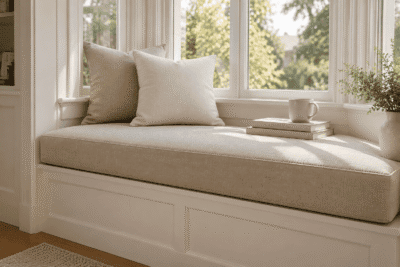
Window Seat Pillows and Padding: How to Layer a Window Seat People Actually Sit On
Most window seats fail the same way: someone puts a thin pad on a plywood deck, calls it a reading

Luxury Patio Furniture: What the Premium Tier Actually Buys
What separates genuine luxury outdoor furniture from marked-up mid-tier — materials (teak, premium sling, solution-dyed systems), construction and design licensing, warranty depth, and where premium spend is worth it versus where custom cushions achieve the same end.
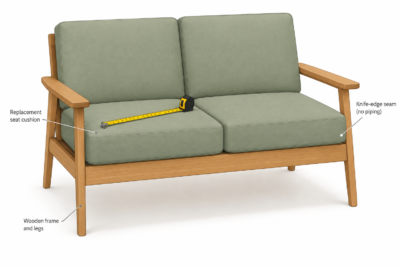
Settee Cushion Foam: Sizing, Density and Replacement Guide
Settee cushion foam answered: two-seat measuring rules, density by how your settee lives, thickness the rails allow, and real prices for a 48 x 18 inch pair.
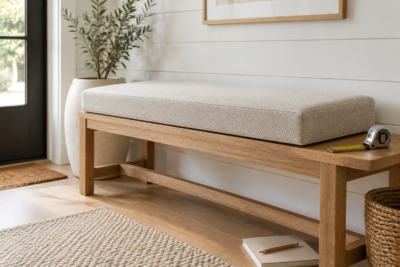
Bench Cushions: The Complete Guide to Sizes, Types and Custom Fit
A bench cushion is only as good as three numbers: the length and depth of the seat deck it sits
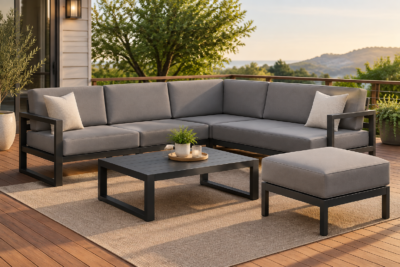
How to Buy Patio Furniture Online Without Regret: The Complete Method
The online patio-furniture method that prevents the classic regrets — dimension-verification discipline, photo-evidence buying, material questions to ask, shipping and return reality, and why custom cushions solve online’s worst problem: fit.