
A couch cushion is a layered object — fabric cover, foam core, sometimes a wrap between — and cleaning it properly means treating the layers as separate things that soil differently and wash differently. Most couch-cushion cleaning goes wrong by treating the cushion as one object: shampooing the fabric while driving water into the foam, or washing a cover without addressing what accumulated underneath it. This guide works through the layers in order, from the weekly vacuum to the full deep clean, and ends with the honest diagnosis of when a cushion is past cleaning.
The outdoor-furniture version of this routine — sun, mildew, drainage — is how to clean outdoor cushions; the cover-washing mechanics (machine cycles, drying rules) are in how to wash cushion covers.
The Weekly Layer: Keep Dirt from Becoming Settlers
Ten minutes a week prevents most of what people call “dirty cushions”:
- Vacuum every surface with the upholstery brush — seat tops, crevices between cushions, under the cushions (pull them out monthly), and the backs. Grit is an abrasive: every sit grinds it into the weave. Vacuuming is the highest-return cleaning act in seating.
- Brush pets’ hair off with a rubber brush or damp rubber glove before it weaves into the fabric.
- Flip and rotate the cushions — front-to-back and, on reversible pieces, top-to-bottom. This is wear management rather than cleaning, but it doubles the time between deep cleans by spreading soil and compression evenly.
Spills: The First Five Minutes Decide Everything
The universal spill protocol:
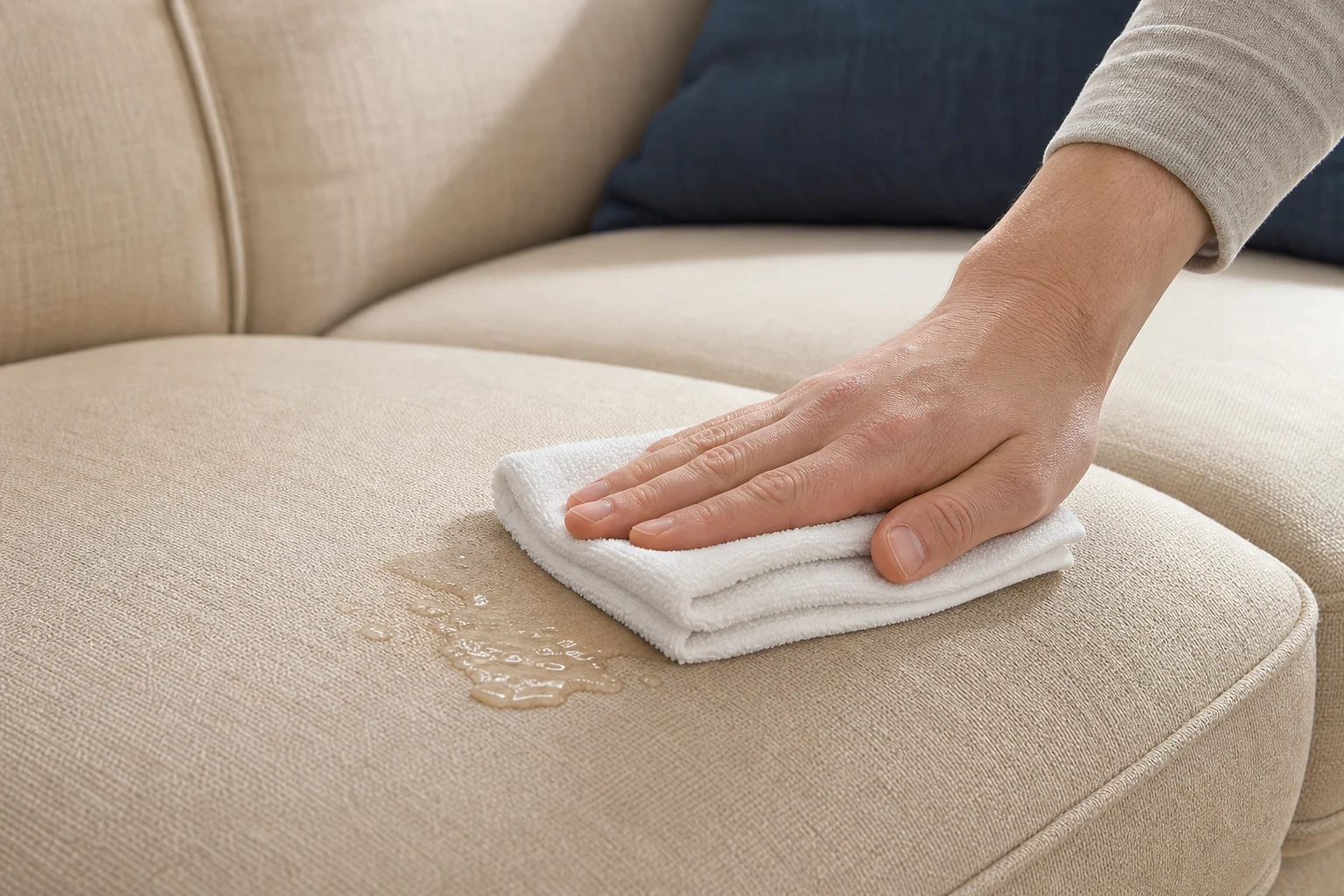
- Blot, never rub. A clean absorbent cloth, straight down, lift. Rubbing frays fibers and pushes liquid into the foam.
- Work from the outside in to keep the stain from spreading.
- Water-based spills (juice, coffee, wine): cold water on a cloth, blot, repeat until the transfer stops. Persistent: a drop of mild detergent in cold water, then a clean-water blot to rinse.
- Oil-based spills (food grease, lotion): dish soap cuts oil — a drop in warm water, work it in gently with a cloth, then rinse-blot. Oil that sets is the “mystery stain” of year three.
- Protein and mystery solids: lift off what you can, cold water (warm water sets protein), then the detergent pass if needed.
- Dry with pressure, not heat: towel-press, then let it air dry fully before use. No hair dryer — heat sets stains and shifts dyes.
The stain-by-stain logic, including the outdoor-specific biologicals (pollen, sap, bird droppings), is tabulated in how to clean outdoor cushions and applies indoors unchanged.
The Monthly-to-Seasonal Layer: Deep-Cleaning the Fabric
Removable covers (zipped)
Wash per the fabric family’s rules — the table in how to wash cushion covers is the reference. The couch-specific additions:
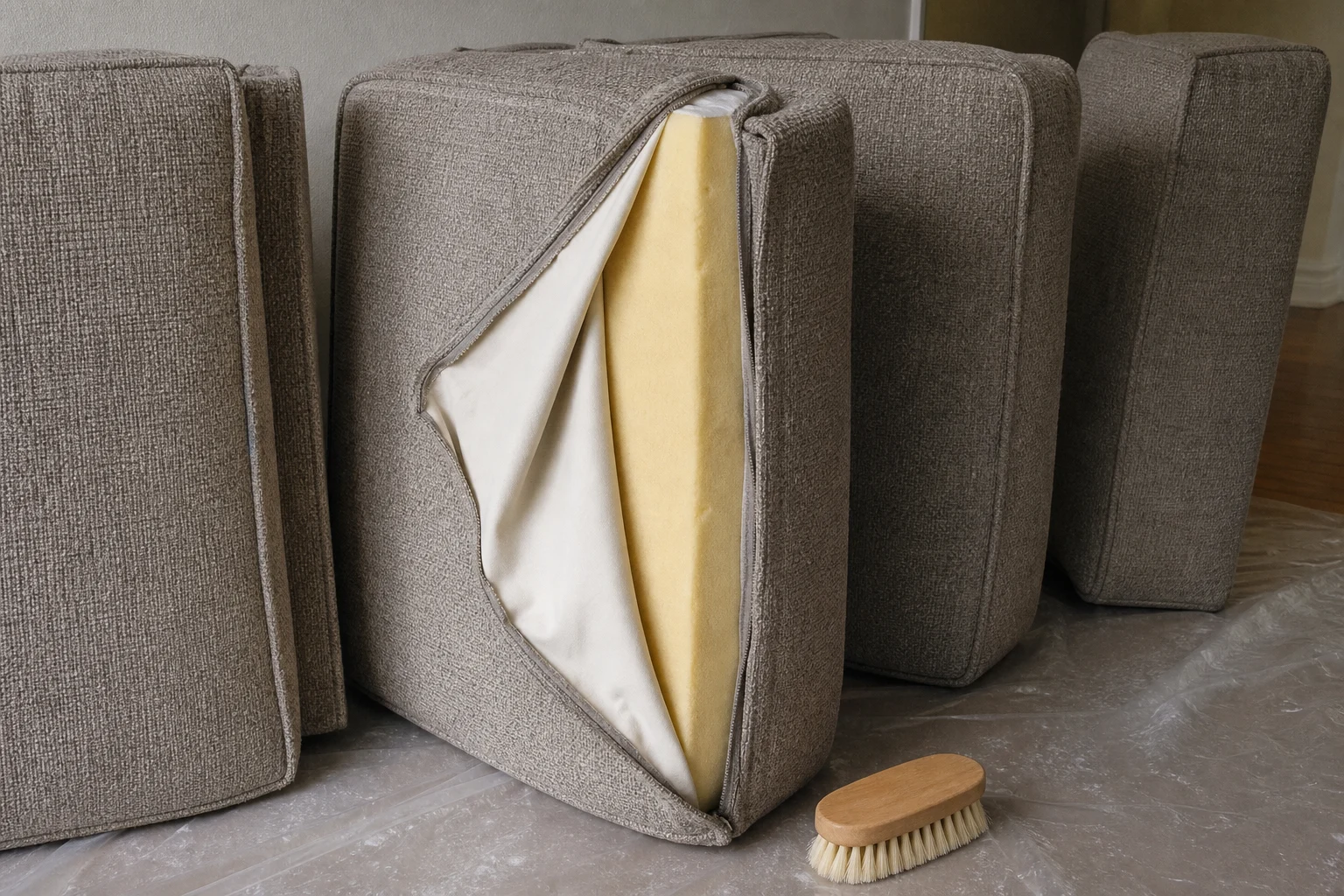
- – Wash the whole set at once, even if only one is visibly dirty: partial washing produces one clean cushion and a set that no longer matches (dye lots drift in washing, subtly but visibly on dark fabrics).
- – While the covers are off, the exposed foam is the point of the exercise — see the foam section below.
- – Zip zippers before washing, mesh-bag anything delicate, air dry, reshape warm.
Fixed covers (no zipper)
The in-place method: dry-vacuum first, then small zones worked with a soft brush and warm soapy water, rinse with a wrung clean cloth until no soap transfers, towel-press the water out, and dry fully before use. Two couch-specific cautions: go easy with water at seams and piping (soaked seams delaminate over cycles), and never soak a fixed cover — it’s a membrane over foam you can’t extract; damp is the ceiling, not wet.
Upholstery shampoo and steam
Rental shampoos and steam cleaners work on heavily soiled fixed covers, with three disciplines: extract thoroughly (the machine’s extraction pass is the cleaning; residue re-soils fast), keep passes overlapping and quick (sustained heat and moisture drive water into foam), and dry completely — fans, open windows, cushions propped — before the couch returns to service. A damp couch interior for two days is how a cleaning becomes a mildew event; the moisture logic that governs outdoor cushions (in prevent mold on outdoor cushions) applies indoors at lower intensity.
The Layer Nobody Cleans: The Foam Underneath
Foam cores absorb what gets past covers — body oils, spilled liquids, years of airborne grime — and a “clean” couch can carry a core that’s grey at the surface and smells faintly of every movie night since 2019. While the covers are off:
- Inspect: surface discoloration is cosmetic; crumbling foam at edges, a core that doesn’t spring back from a hard press, or a permanent sitting hollow is structural — that’s replacement territory (the diagnosis and density selection run through how to choose foam density).
- Surface-clean if sound: vacuum the core with the brush attachment; for soiled zones, a barely-damp cloth with mild soap, then a wrung clean pass, then air dry fully — foam holds water for a remarkably long time, and patience here is the whole method. Never soak foam; a saturated core can take days to dry and mildews on the way.
- Deodorize in place: sprinkle baking soda over the exposed core, let it sit for several hours (overnight for set-in odors), then vacuum it out thoroughly. Baking soda absorbs the acid and organic odors that soap doesn’t touch.
- The sunlight bonus: a few hours of direct sun on exposed foam kills odor-causing organisms — the free, old-school treatment. (Hours, not days: UV is hard on foam polymers long-term.)
Smells: A Diagnostic, Not Just a Chore
Odor tells you which layer to treat:
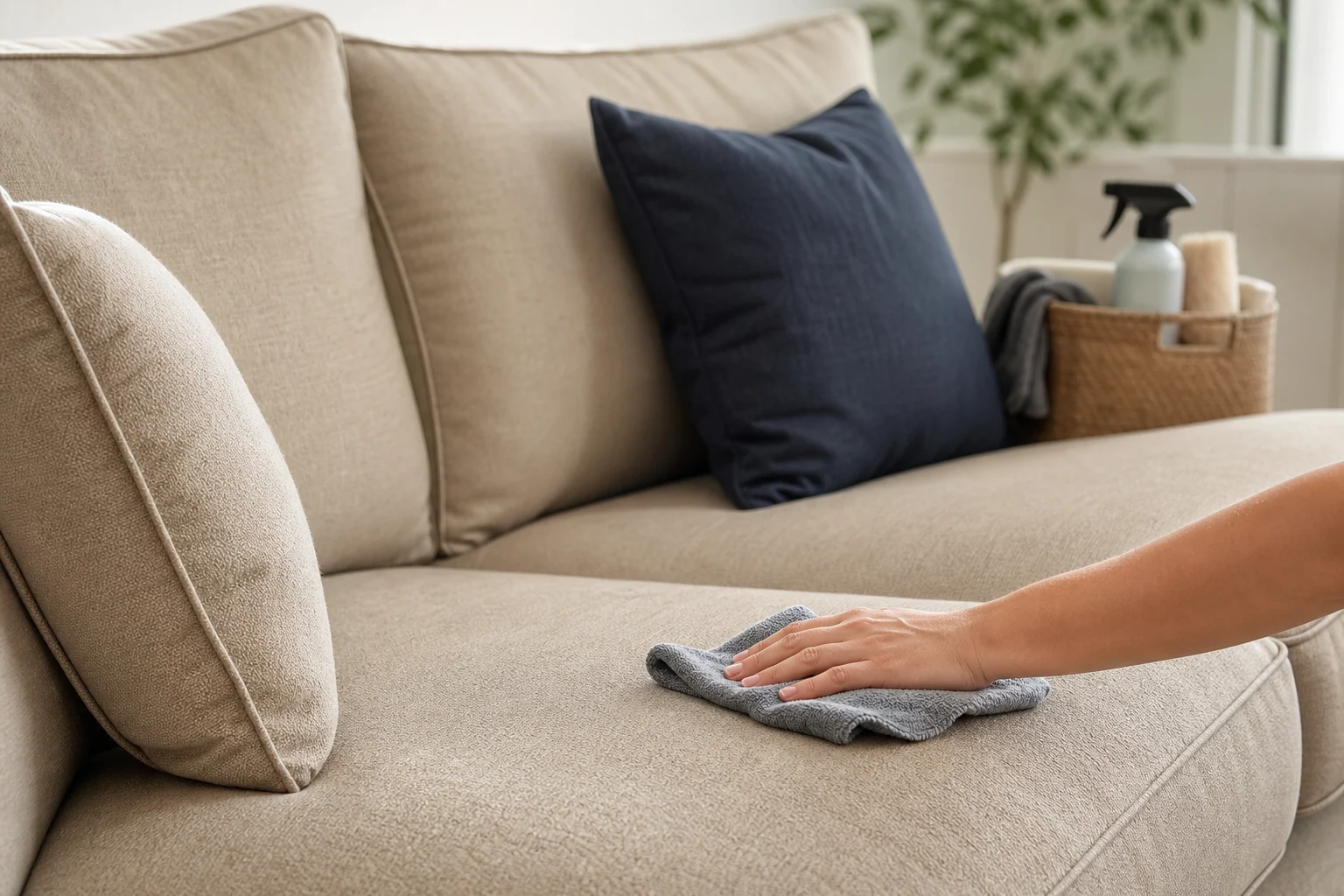
- – Surface smell (food, smoke, pets): baking soda on the fabric, vacuum; repeat. Smoke may need two or three cycles.
- – The wet-dog-after-rain smell that returns: moisture in the core, usually from a past spill or a cleaning that didn’t dry. The core needs the sun-and-baking-soda treatment, and your cleaning habits need the dry-fully discipline.
- – Musty, basement-like: mildew, even indoors. Find the moisture source (a spill under the couch? a humid room?), treat the fabric per the mildew protocol in how to clean outdoor cushions, dry everything hard, and fix the room’s humidity.
- – The smell that survives everything: it lives in the foam permanently. Foam is a consumable with a lifespan; a core that holds odor after the treatments above has reached the end of it — re-foam, and the routine starts over (the re-foaming route is how to replace sofa cushion foam).
The Couch-Day Calendar
- – Weekly: vacuum all surfaces, brush pet hair.
- – Monthly: pull the cushions, vacuum under and the decks, flip and rotate.
- – Quarterly: covers washed (or in-place cleaned); foam inspected, sunned, soda-treated while exposed.
- – Yearly: the full deep clean — everything above plus a judgment call: covers, foam, or both, versus replacement. The decision framework for that call — cost vs. condition, layer by layer — is in reupholster vs replace cushions.
The Toolkit: What to Own Before You Need It
Every couch-cleaning emergency rewards preparation. The working kit costs twenty dollars and lives in a basket: white cotton cloths (colored cloths transfer dye to damp fabric — white microfiber or cotton only, a stack of them, because you use more than you think); mild detergent (the same one the wash table specifies — one product, one set of rules); a soft-bristle brush for vacuuming-over and gentle agitation; baking soda (the deodorizer, in the cheap large box); a spray bottle for controlled water and detergent application (controlled beats soaking every time); and white vinegar for the mineral and odor jobs (diluted, and rinsed — it’s a tool, not a lifestyle). What not to own: the branded “miracle” sprays, which mostly add surfactants and fragrance to the same chemistry, and anything containing bleach for indoor fabrics — indoor dye systems don’t survive it the way solution-dyed acrylics do (the construction difference is solution-dyed acrylic explained).
Protected and Performance Fabrics: Different Rules
Performance-weave couches (the stain-treated families sold as kid-and-dog-proof) change the cleaning math in two ways: liquid sits on the surface longer (beading instead of absorbing), which extends your response window — blot within minutes and many spills never enter the fiber at all; and fabric protector coatings wear off with washing and abrasion over years. Cleaning performance fabric therefore means: enjoy the longer window, use the same blot-first protocol, wash gently (harsh detergent strips the treatment faster), and expect the protection to fade by mid-life. Re-treatment sprays exist and work modestly for another season or two — worth it on a fabric you otherwise love, not a substitute for the material logic in the first place. The fabric-families overview and their trade-offs starts in the best outdoor cushion fabrics (the same family logic governs indoor performance weaves).
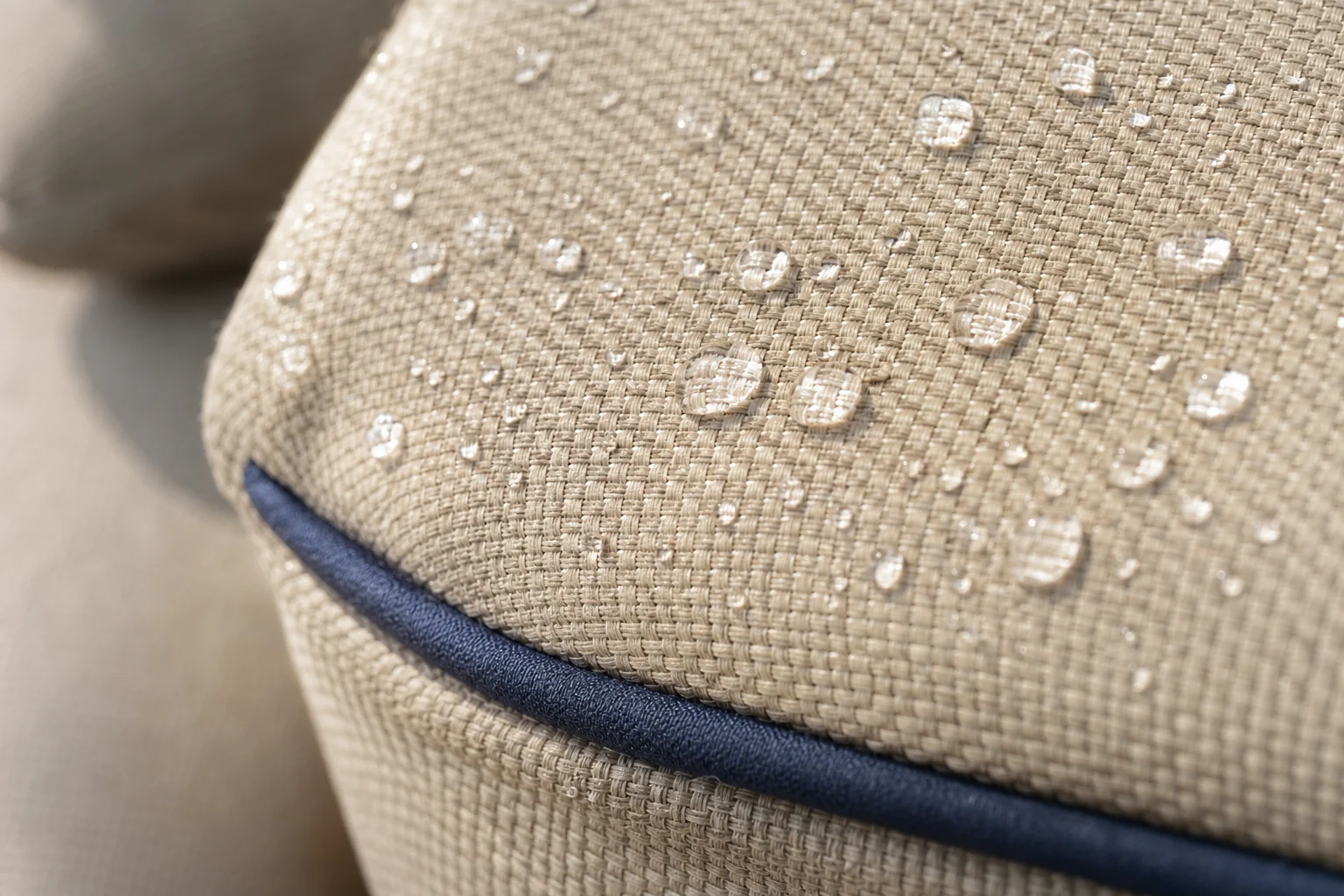
One more habit worth stealing from the pros: keep the kit where the couch is. A basket in the living room with the cloths and the spray bottle turns a spill from a kitchen-sprint into a ten-second response, and response time is the only variable in the whole protocol that degrades with distance.
A Worked Example: The Sunday Coffee Spill
To make the protocol concrete: a full cup of coffee, with milk, onto a light-weave seat cushion. Minute zero — don’t fetch the phone first; fetch the dry cloth. Blot straight down, no rubbing, rotating to a clean face of the cloth as it loads. Minute two — cold water on the cloth (not poured on the cushion — the cloth is the applicator), continue blotting until the transfer fades. The milk adds protein: stay cold, add a drop of detergent to the cloth, work it gently into the affected fibers only, then a clean-water cloth pass to rinse. Minute ten — towel-press the damp zone, leave the cushion propped in airflow, and don’t sit on it until dry (damp foam under body weight re-absorbs whatever’s in the fabric). Total elapsed effort: ten minutes; the alternative — the stain that “didn’t look that bad” setting into the foam — costs a cover replacement at season’s end. Speed is the only ingredient in this protocol that can’t be bought later.
FAQs
How do you deep clean a couch cushion?
Layer by layer: covers washed to their fabric’s rules, the exposed foam vacuumed-sunned-soda-treated, everything dried completely before reassembly. The mistake is one-step cleaning — shampooing fabric while ignoring what’s underneath it.
Can I wash the foam inside my couch cushions?
Surface-clean only: barely-damp soapy cloth, clean wrung pass, air dry fully. Never soak — a saturated core takes days to dry and mildews on the way. Baking soda plus a few hours of sun deodorizes better than any liquid method anyway.
How do I get smells out of couch cushions?
Match the treatment to the layer: baking soda and vacuum for fabric; sun plus baking soda for cores; a persistent musty smell means moisture somewhere — find it before it becomes mildew. A smell that survives both treatments is foam at end-of-life; re-foaming is the cure (the replacement route).
How often should couch cushion covers be washed?
Quarterly for everyday couches; monthly for dining-adjacent and pet furniture; always immediately after visible spills. The full frequency table is in how to wash cushion covers.
Is my couch cushion too dirty to clean — when do I replace?
When the failure is structural, not superficial: foam that stays compressed, crumbles at the edges, or holds odor after proper treatment; fabric that’s thinned at the edges or split at seams twice. The cost-vs-condition call is laid out in reupholster vs replace cushions; for the replacement itself, custom sofa cushions runs dimensions, density and fabric in one flow.
Next Steps
- Run the weekly vacuum today and schedule the monthly pull-and-flip — the two habits that push deep cleans from quarterly to yearly.
- At the next cover wash, give the exposed cores their sun-and-soda hour; it’s the layer every other guide skips.
- Diagnose honestly at year-end: sound covers over dead foam → re-foam (how to replace sofa cushion foam); dead everything → custom sofa cushions with washable covers and a density-graded core, and the maintenance calendar starts clean.
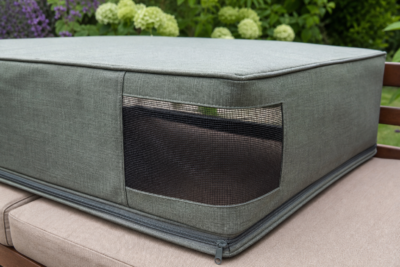
Insect-Proofing Patio Cushions: What Works on Bugs, Without Ruining Fabric
Why insects target outdoor cushions (nesting sites, food residue, moisture), the prevention stack — cleaning, storage, covers, placement — what sprays and repellents are fabric-safe, and the honest limits of keeping a patio bug-free.
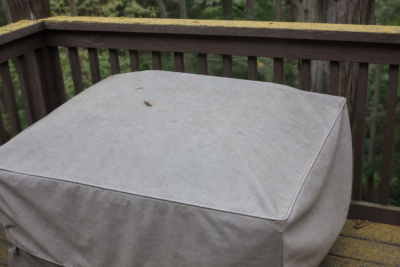
Pollen Season on the Patio: Protecting Cushions and Furniture
What pollen actually does to outdoor cushions (it’s not the color — it’s the chemistry), the spring protection playbook from covers to placement, cleaning pollen off fabric without grinding it in, and fabric choices for the perpetually dusty patio.
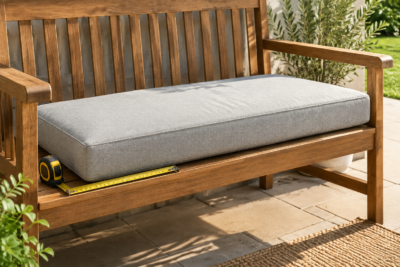
How to Clean Mold Off Outdoor Cushions (and When It’s Too Late)
How to tell salvageable mold from a dead cushion, the vinegar-and-oxygen-bleach method that works, and what to buy so it never comes back.
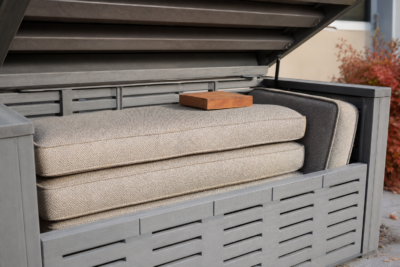
How to Store Outdoor Cushions for Winter: The Complete Method
The right way to winterize outdoor cushions — deep clean, bone-dry, ventilated storage, what never to do — and which climates need indoor storage at all.
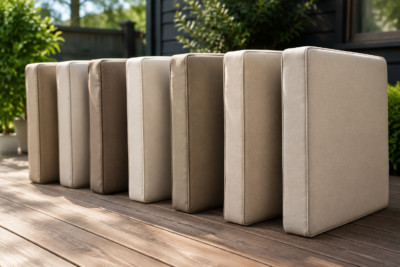
How to Drain Waterlogged Cushions (and When Foam Is Done)
How to rescue a waterlogged outdoor cushion fast — free drain, pressing, air-drying and verifying the core — plus the honest signs that the foam is past saving.
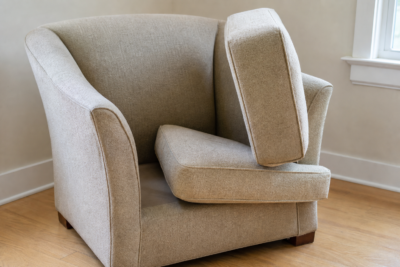
Indoor Cushion Care: Keeping Fabric, Foam and Shape Alive for Years
The indoor counterpart to outdoor cushion maintenance: rotation discipline, sun and humidity management indoors, cleaning by fabric family, foam revival between deep cleans, and the seasonal calendar that keeps inside cushions out of the replacement cycle.