
28" x 28" Outdoor Cushions – Custom Made to Your Exact Size
Cut to your measurements — width, depth, and thickness — not to a stock chart. Factory-direct, no minimums.
Twenty-eight inches square is oversized territory — extra-wide lounge chairs, oversized sectionals, built-in outdoor benches, and the deep platforms of daybeds. It’s also a size almost no stock program covers, because it sits past the standard 24 module and before the custom bench sizes. If your frame asks for a 28, you’re in custom-cut country, which is our whole business.
We cut every 28 x 28 outdoor cushion to the measurements you send — width, depth, thickness — in three fabric tiers: Tech Fabric, our leather-like waterproof weave that wipes clean — the outdoor workhorse; Cotton Linen, a durable everyday weave for covered patios and indoors; or Premium Velvet, plush claw-resistant velvet for indoor luxury. At this scale thickness is a design decision: 4″ keeps a lounge profile tailored, 5″–6″ builds the sink-in depth oversized frames were made for. High-density foam earns its upgrade on cushions this large.
Pricing — estimated starting at
| Fabric tier | Estimated price* |
|---|---|
| Cotton Linen | $143 |
| Tech Fabric | $178 |
| Premium Velvet | $225 |
*One cushion, 28 × 28 in. (5.44 sq ft top surface): $39 make-base + 5.44 sq ft × fabric rate ($19.0/sq ft, $25.5/sq ft, $34.0/sq ft). Thickness, foam density, and the sewn closure is confirmed at checkout — and every dimension is confirmed with you before we cut.
For comparison: U.S. custom-configurator specialists’ 2026 listings for made-to-order cushions in common sizes (16×16 through 24×24) run roughly $71–$119 before shipping — and most only reveal that price after a quote request. We publish the formula above so you can check the math before you order.
Fits these furniture series
Factory-original cushions measured within 1″ of 28 × 28 — the library’s nearest documented piece plus the honest note that most true 28-inch frames are custom territory.
| Series | Piece | Part | Factory size (W × D × T) |
|---|---|---|---|
| Mill Valley (Hampton Bay) | Corner / Center Wedge | Seat | 27 × 27 × 6 in. |
One measured neighbor and a wide-open custom field: oversized frames are the size class where measuring beats catalog trust most.
Measure your 28 x 28 seat
- Old cushion flat on a table: width edge to edge, depth front to back, thickness seam to seam — never squeezed.
- No old cushion? Measure the seat deck between the frame rails and arms, and send the raw numbers rather than rounding.
- Photograph the label under the frame first — a model number can match you to a documented series chart in seconds.
Full walkthrough with photos: How to Measure (and Identify) Your Cushions.
More measuring help: How to measure radius corners · 9 cushion measurement mistakes that cause remakes
Thickness & Foam for a 28 x 28
Twenty-eight inch squares sit at the top of the standard cushion range — wide loungers, oversized deep-seating modules, swing-bed and daybed builds. Thickness here is load-bearing comfort: 5–6 inches is the working range, with 5 the deep-seating standard and 6 the plush tier; past 6 inches the foam needs vent channels and we confirm the build with you rather than improvise. Thin pads at this width dish between seams in a season.
Wide spans bridge frame gaps, so density carries the load: 50D minimum for daily use, 60D where the pad doubles as a nap surface, 65D for genuine mattress duty on daybed and swing-bed frames. Grade and thickness are both confirmed in writing with your dimensions before a knife touches foam.
Fabric choices at 28 x 28
The bigger the pad, the more weather it holds — a horizontal 28-inch square catches every raindrop and every UV hour on the patio. Tech Fabric is the default for open exposure; Cotton Linen only under cover; Premium Velvet indoors. Buyers weighing brand-name acrylic against our tiers should read the outdoor fabric guide — the comparison is honest, and the price difference at this area is real money.
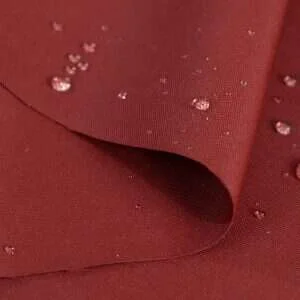
Premium Olefin · Claret
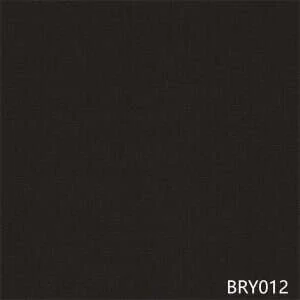
Premium Olefin · Deep brown

Cabana Stripe Canvas · Red
From the 119-fabric swatch library — free samples ship with every quote.
Frequently asked questions
Is 28 x 28 a standard outdoor cushion size?
It’s standard on oversized furniture but rare in stock programs — most stop at 26. That’s exactly why we cut it to order, to your quarter inch.
What thickness should a 28 x 28 lounge cushion be?
5″ is the deep-seating standard; 6″ for daybed-level plush. Above 6″ the foam needs vent channels — we’ll flag it at confirmation.
Can one 28 x 28 replace two smaller cushions?
Often, yes — two 14-wide pads on one frame swap for a single square that can’t shift apart. Send the deck measurements and we’ll confirm the cut.
Is 28 x 28 the same as an oversized deep seat cushion?
Effectively yes — 28-inch squares are the oversized end of deep seating (standard decks run 23–27 inches deep). The closest documented piece in our library is Mill Valley’s 27 × 27 sectional wedge; most true 28-inch frames are imported or handmade, which is exactly what custom cutting serves. See deep seat cushions for the sizing logic.
Can a 28 x 28 cushion be used on a swing bed or daybed?
Yes, with two checks: the frame’s deck must actually measure 28 inches (swing beds wander), and mattress duty wants 60–65D foam rather than seating grades. Our daybed cushions page covers the lie-flat build rules.
Can I tile a daybed with four 28 x 28 pads instead of one big cushion?
Yes — and it is often the better build: four pads rotate and flip individually, so the wear evens out and one damaged piece does not retire the set. Send the platform’s full deck numbers and note how many modules you want across; seam lines land on the slat gaps, and each pad prices on its own area.
28 x 28 on daybeds and swing beds
Past 26 inches, the furniture changes character — platforms meant for lying, not sitting — and 28 squares are a working module in both. Daybeds and porch beds built on square or near-square decks take four to six 28-inch pads as tiling modules: two across for a twin-width platform, three for full-width, with the seam lines falling where the frame’s slats want them. Swing beds — the mattress-sized porch swings — run the same math on a hanging platform, with two additions the frame demands: fastening that survives pendulum motion, and drainage, because a hanging deck traps water against the pad’s underside in a way a solid frame never does.
Duty changes the foam, not just the size. Lying weight is mattress weight — hours, not minutes, spread along the body line — and the grades that hold a lounge chair for years compress under it. Sixty to 65D density is the honest spec at this duty; seating grades dish within a season of naps. Thickness runs 5–6 inches at mattress scale. The lie-flat build rules, including what swing beds add, are on the daybed cushions page.
The oversized neighborhood: 26, 27, 28
Oversized squares are a run, not a set of one-offs. Twenty-six is the top of the stock world — where retail bins stop — and covers wide sectionals and big swivels. Twenty-seven is the rare module, mostly higher-end and older production; the library’s exact hit is Mill Valley’s 27 × 27 sectional wedge. Twenty-eight is custom-cut country, past every stock program and into frames that were usually imported or handmade. Between them the decimals live — 26.5, 27.25, 28.5 all cut at the same formula — and the number you measured beats the bin’s nearest whole number every time.
