
18" x 20" Patio Cushions – Custom Made to Your Exact Size
Cut to your measurements — width, depth, and thickness — not to a stock chart. Factory-direct, no minimums.
The 18 x 20 rectangle is the slightly-deeper cousin of the dining square — common on patio dining chairs with roomier seat decks, compact lounge chairs, and older deep-seat frames built before the 24-inch module standardized. It’s a size stock programs skip, which is why so many people land here after two failed returns.
We cut every 18 x 20 patio cushion to the measurements you send — width, depth, thickness — sewn to the quarter inch. Dining-height chairs typically take 3″–3.5″; a 4″ pad turns a firm seat into all-evening seating. Fabric tiers run Cotton Linen for covered porches and indoors, Tech Fabric, the waterproof, wipe-clean leather-like workhorse, for full exposure, and Premium Velvet, plush claw-resistant velvet for indoor luxury.
Pricing — estimated starting at
| Fabric tier | Estimated price* |
|---|---|
| Cotton Linen | $87 |
| Tech Fabric | $103 |
| Premium Velvet | $124 |
*One cushion, 18 × 20 in. (2.50 sq ft top surface): $39 make-base + 2.50 sq ft × fabric rate ($19.0/sq ft, $25.5/sq ft, $34.0/sq ft). Thickness, foam density, and the sewn closure is confirmed at checkout — and every dimension is confirmed with you before we cut.
For comparison: U.S. custom-configurator specialists’ 2026 listings for made-to-order cushions in common sizes (16×16 through 24×24) run roughly $71–$119 before shipping — and most only reveal that price after a quote request. We publish the formula above so you can check the math before you order.
Fits these furniture series
Factory-original cushions measured within 1¼″ of 18 × 20 — patio dining territory. If your set is listed, click through for the full piece-by-piece chart before measuring anything.
| Series | Piece | Part | Factory size (W × D × T) |
|---|---|---|---|
| Middletown (Hampton Bay) | Dining Chair | Seat | 19.5 × 20 × 4 in. |
| Pembrey (Hampton Bay) | Ottoman | Top | 19.5 × 18.5 × 5.5 in. |
| Kampar (Hampton Bay) | Ottoman | Seat | 19 × 19.5 × 3 in. |
Between sizes? Send the measured numbers — 18.5 x 20.25 costs the same formula price as any rectangle its area.
Measure your 18 x 20 seat
- Old cushion flat on a table: width edge to edge, depth front to back, thickness seam to seam — never squeezed.
- No old cushion? Measure the seat deck between the frame rails and arms, and send the raw numbers rather than rounding.
- Photograph the label under the frame first — a model number can match you to a documented series chart in seconds.
Full walkthrough with photos: How to Measure (and Identify) Your Cushions.
More measuring help: How to measure radius corners · 9 cushion measurement mistakes that cause remakes
Thickness & Foam for a 18 x 20
An 18 x 20 patio pad is dining-chair geometry: 20 inches of depth gives the thigh room a lounge chair does not, and the thickness question is whether your table still clears knees afterward. Three inches is the spec most frames were built around; 3.5 buys plushness without lifting the sitter out of conversation height; 4 belongs to low frames and slow dinners. If the original pad’s thickness is known, match it — the table height was designed for it.
Density follows duty. A dining set used every evening wants 50D; a weekend balcony set can honestly run 35D; the 60–65D grades are real but rarely earn their cost at dining scale. All four grades cut to this footprint, and the grade is confirmed in writing with your dimensions before production.
Fabric choices at 18 x 20
Patio duty at this size is usually full-sun duty. Tech Fabric is the default: waterproof, wipe-clean, and unbothered by the sunscreen-and-ketchup economy of a dining table. Cotton Linen fits covered porches and shade structures; Premium Velvet belongs to screened rooms and indoor nooks rather than open weather. The climate-by-climate logic — UV versus trapped moisture versus abrasion — is laid out in the outdoor fabric guide.
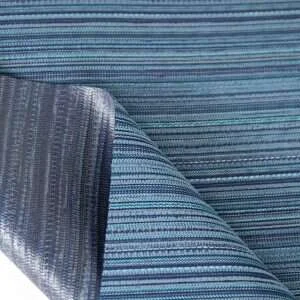
Striped Canvas · Blue
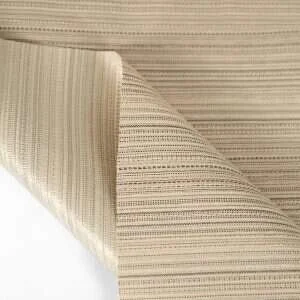
Striped Canvas · Light brown
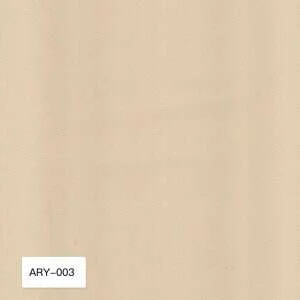
Premium Olefin · Beige
From the 119-fabric swatch library — free samples ship with every quote.
Frequently asked questions
Is 18 x 20 the same as a 20 x 18?
For us, yes — we cut to your width and depth exactly as you enter them. Measure the old cushion flat, width edge to edge, depth front to back, and send what you get.
What thickness for a dining chair at 18 x 20?
3″–3.5″ keeps dining height honest; go 4″ only if the frame sits low or you want a plusher sit. Match the old pad’s side if you want the seat height unchanged.
Can I get a set of six in matching fabric?
Yes — order by quantity and all pieces are cut from the same fabric lot, so the set matches across every chair.
What series use an 18 x 20 seat cushion?
Close neighbors in the measured library include the Middletown dining chair (19.5 × 20) and the Pembrey ottoman (19.5 × 18.5) — the table below lists every documented piece near this size. If your frame is a named Home Depot line, check the replacement library first; ordering to OEM numbers beats re-measuring.
Can 18 x 20 cushions stay out in the rain?
The covers shed water and the foam-core build drains and dries standing on edge — but no cushion is a submarine. Full-exposure sets last longest brought in during extended wet stretches; the honest weather math is in the fabric guide linked above.
Can I replace just one cushion from a set of four?
Yes — no minimums. Two honest cautions: the new pad sits at full loft next to settled originals, and its fabric will not match a dye lot years older. If looks matter, replace in symmetry pairs; if the chair is the spare seat nobody ranks, the single is the right order.
One chair, one pad
This rectangle’s commonest order is a single seat — not a set. The bistro pair on a small balcony where one pad died. The lone patio armchair that came with the apartment. The replacement for a set of four where three pads survived and the fourth did not, and the owner would rather match one pad than replace four good ones. Single-piece orders are the honest use case at this size, and the no-minimums policy is what makes them ordinary: one pad, cut to one seat’s numbers, priced on its own area.
The one-patience note on singles: a new pad sits prouder than its settled neighbors — full loft versus compressed years — and fabric ordered later will not match the first dye lot. If the pad you are replacing had siblings ordered together, replacing in symmetry pairs (or as a set) buys matching; if it genuinely travels alone, none of that matters and the single is the right order.
18 x 20 or 20 x 18?
Dimension order is a convention, and the convention here is width first, depth second — but search boxes and furniture tags do not always honor it. The practical decode: the smaller number is almost always the width (side to side, between the arms), the larger the depth (front to back, the direction your thigh runs). A pad listed 18 × 20 and one listed 20 × 18 are usually the same rectangle — but only usually, because dining-chair decks sometimes run wider than deep.
The check that settles it in ten seconds: sit in the chair. The dimension running the same direction as your thigh is the depth; the one crossing the seat between the arms is the width. Enter them in either order on the form — the confirmation before cutting lists both numbers against both axes, and a swap caught there costs nothing.
