
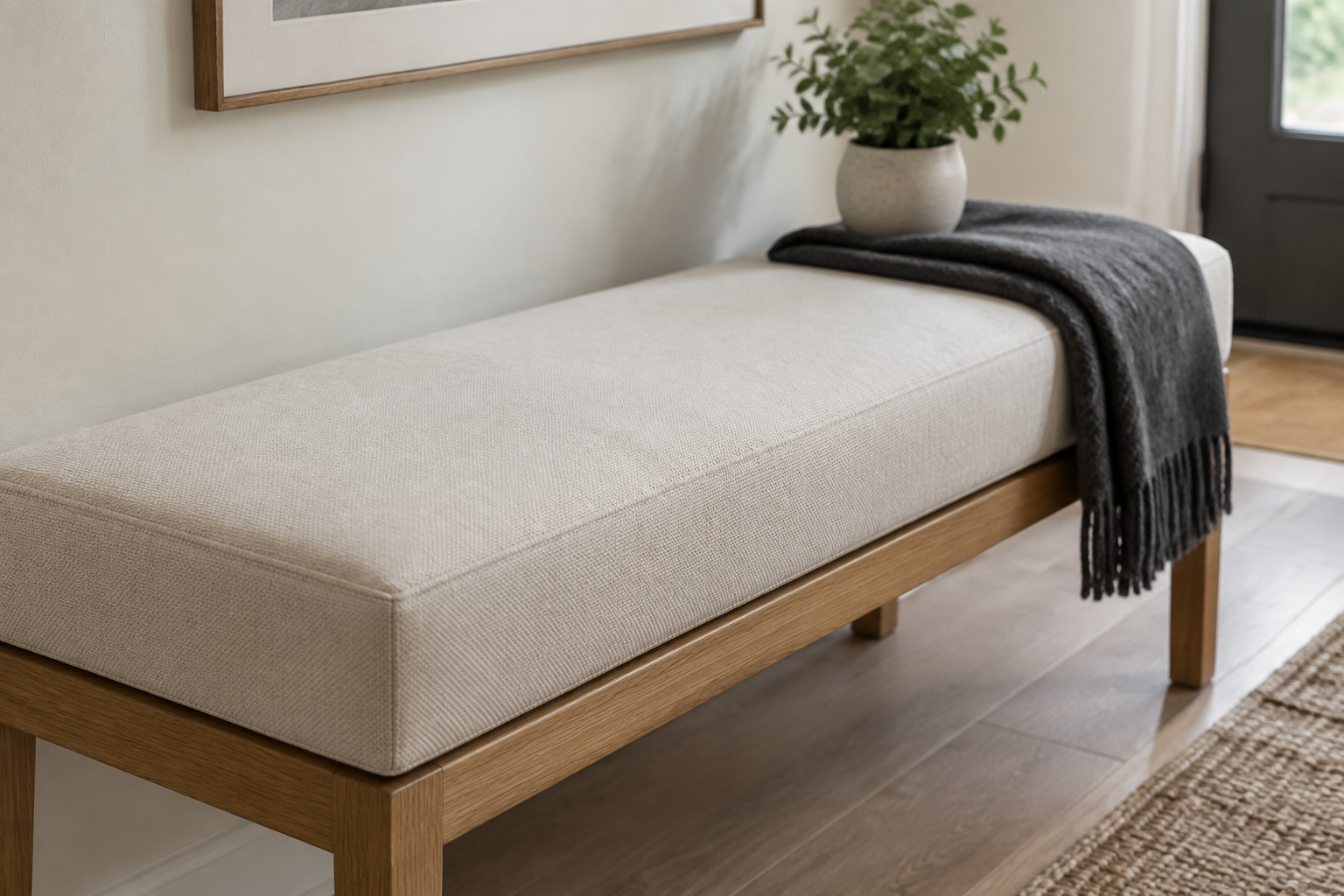
The rectangle is the default shape of the cushion world — and the most measured-wrong shape in it. Not because the measuring is hard: three numbers, one rigid tape, five minutes. Because a rectangle invites shortcuts. The tape drifts diagonal, the soft tailor’s tape belly-sags across a wide bench, the reading lands on the piping crown instead of the seam, and every one of those “close enough” habits reads long by an eighth here and a quarter there. Custom cutting makes errors exact: half an inch measured long is half an inch cut wide, and no tolerance anywhere in the industry will absorb it.
This guide is the shape rule — how any rectangular pad, on any furniture, gets measured: width, depth and thickness read square to each other, verified with two checks, and rounded once. Furniture-specific details (couch sets, banquettes, dining chairs, window seats, benches) live in their own guides, linked at the bottom.
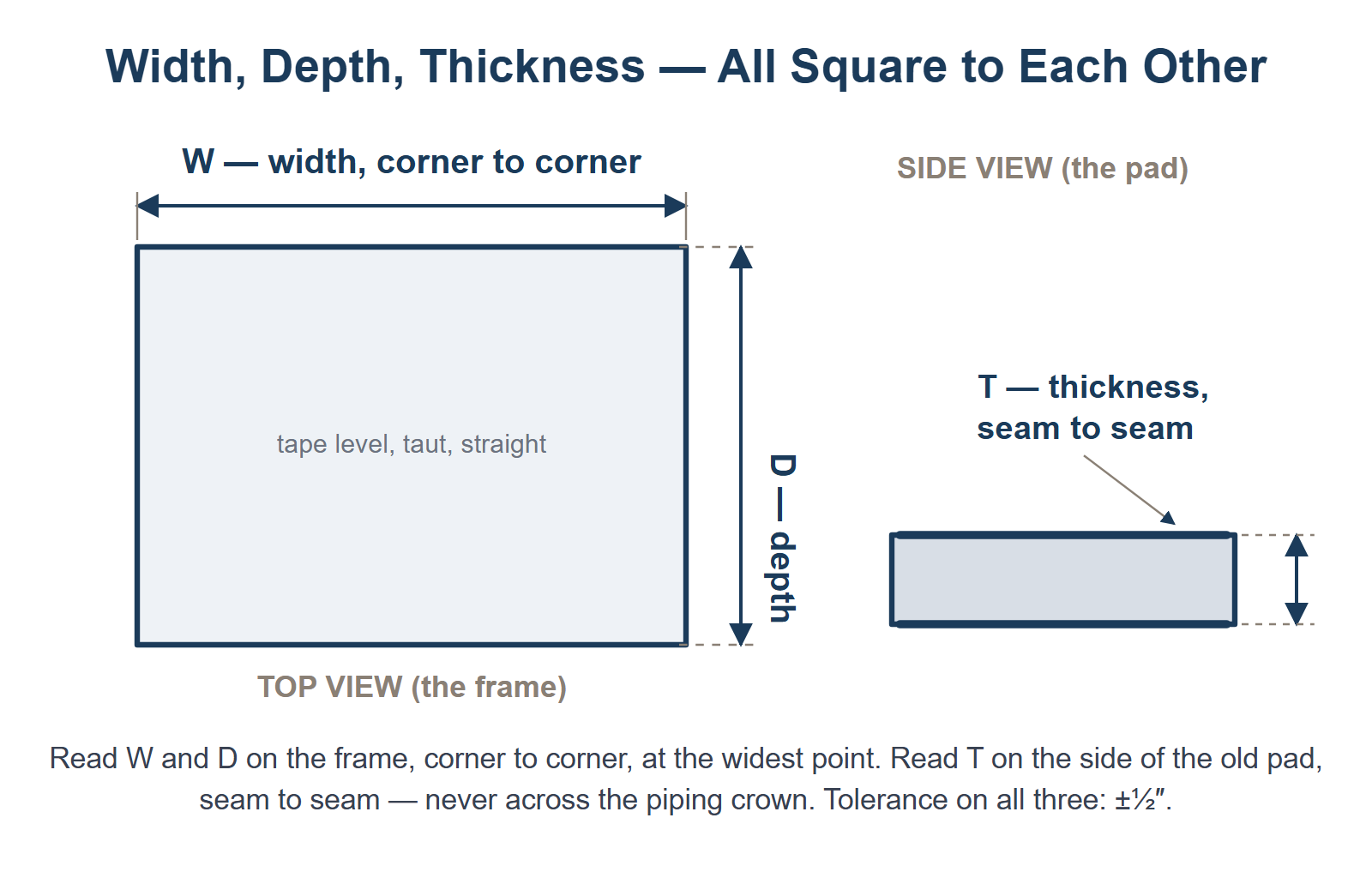
The Three Numbers: Width, Depth, Thickness
Every rectangle we cut is fixed by three numbers — W, D, T — plus your foam and fabric choices. In our builder’s vocabulary a rectangle is simply a wedge whose two widths agree: where the trapezoid order carries A (front width) and D (back width), the rectangle carries one width, read once and confirmed twice.
| Field | Letter | What it is | Range we cut |
| Width | W | Left to right, corner to corner, at the widest point | 8–120″ |
| Depth | D | Front edge to back edge, measured straight | 6–72″ |
| Thickness | T | Foam height, seam to seam | 2–8″ |
The three are orthogonal — square to each other — and that is the entire discipline of this shape. Read each one along its own axis and the pad fits; let one reading lean into another’s axis and you have ordered a shape your seat is not.
Width and Depth: The Orthogonal Rules
Corner to corner, widest reading wins
Lay a rigid steel tape along the line you are reading — not across the middle of the air above it. Width runs left corner to right corner along the front of the seat; depth runs front edge to back edge down the side. Take each reading at two or three spots along its edge and keep the largest number: frames bow, corners round, and a pad cut to the small reading gaps at the wide spot. A custom pad is allowed to touch everywhere it should; it is not allowed to disappear somewhere it should be.
Keep the tape level and taut
A steel tape pulled tight reads what the frame measures. The same tape drifted on a diagonal reads a longer line than the edge it is pretending to measure — on a 24″ seat a lazy diagonal adds up to half an inch, which is the whole tolerance. Soft tailor’s tapes are for fabric, not frames: across a long bench they belly downward and read long by a quarter to a half inch per span. Steel, level, taut — every time, on every edge.
Framed or frameless: where the reading starts
On a framed chair, the width lives inside the arms — the tape butts against the arm panels, not around them, and on chairs whose arms bow outward you read at the point the seat actually touches, not the arm’s widest flourish. On a frameless bench, window seat or banquette, the reading is edge to edge of the sitting surface, including any lip the carpenter left. Same rule, different landmarks: the cushion covers the deck you sit on, and the tape belongs exactly where the cushion’s edges will land. When the frame meets the floor at a baseboard or the wall at a sill, butt the tape into the obstruction and note it — a depth that ignores a 1″ baseboard is a depth that is 1″ wrong.
Three stations, both directions
Read the width at the front edge, the middle, and the back; read the depth on the left side, the center, and the right. Six numbers, thirty seconds. All widths matching and all depths matching means the seat is a true rectangle and you are done. Widths that drift front to back mean the seat is a trapezoid wearing a rectangle’s name — different guide, different order. (The full protocol, including what to do when old cushions and frames disagree, is in cushion measurement mistakes.)
Thickness: Seam to Seam, Never the Crown
Thickness is a side-view number. Stand the old pad on its edge and read the tape straight up the side, from the bottom seam to the top seam. Two habits inflate it: measuring across the piping (the welt cord crowns up to half an inch above the seam line, and that crown is finish, not foam) and squeezing the calipers around the pad’s bulged middle. On a bare frame with no old pad, read deck-to-rail: seat deck up to where you want the sitting surface, and check that a tall pad will not sit you above the arms or, on a window seat, into the sill line.
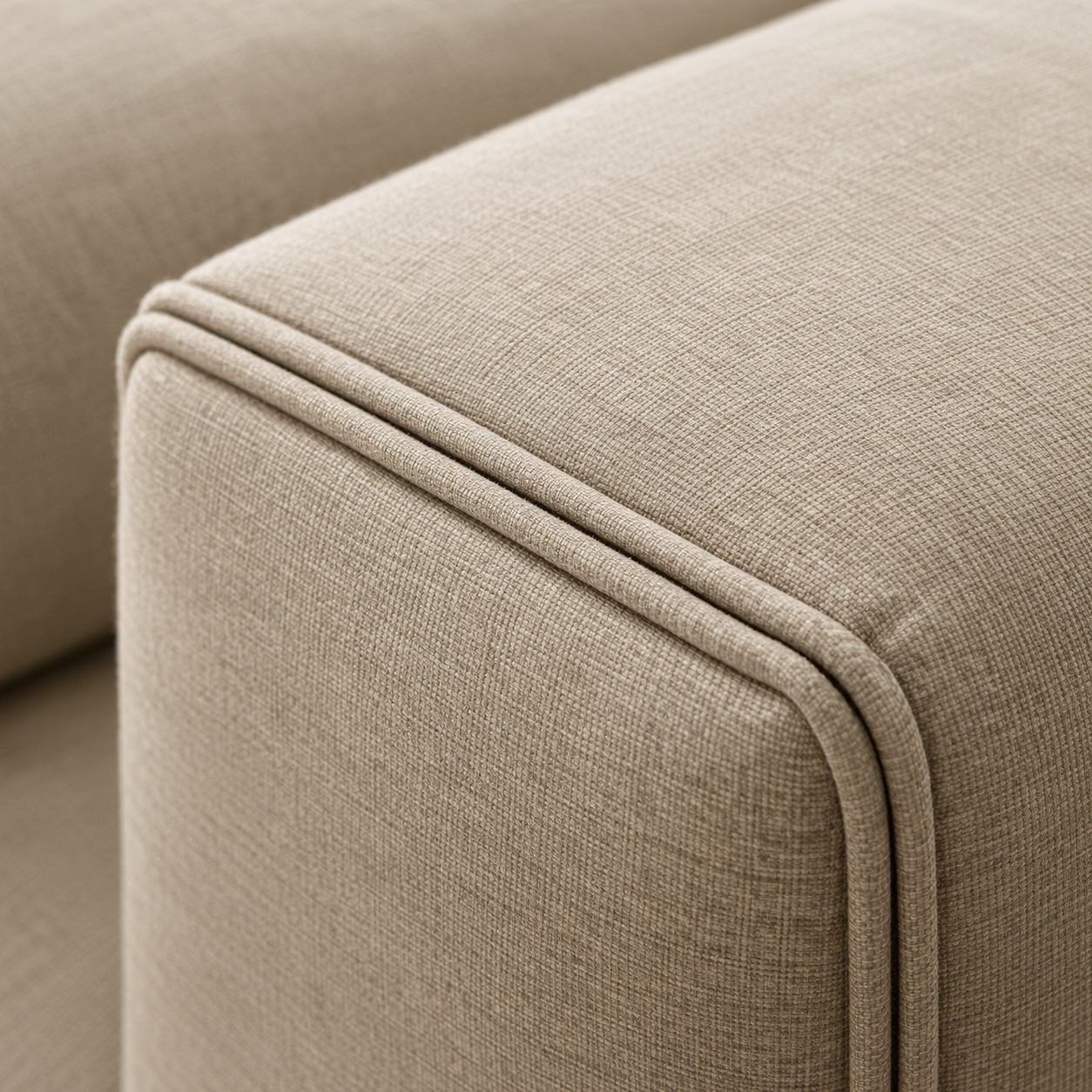
Common thicknesses: dining chairs 2–3″, benches and window seats 3–4″, patio deep seating 5″, and replacement foam for sagging couch seats typically matches the original seam-to-seam number within a quarter inch.
Is It Actually a Rectangle? The Diagonal Check
The three-station check catches taper. The diagonal check catches rhomboid — a seat whose corners have drifted out of square so it is a parallelogram in disguise: widths all equal, depths all equal, and still not a rectangle. Measure both diagonals, corner to corner across the middle.
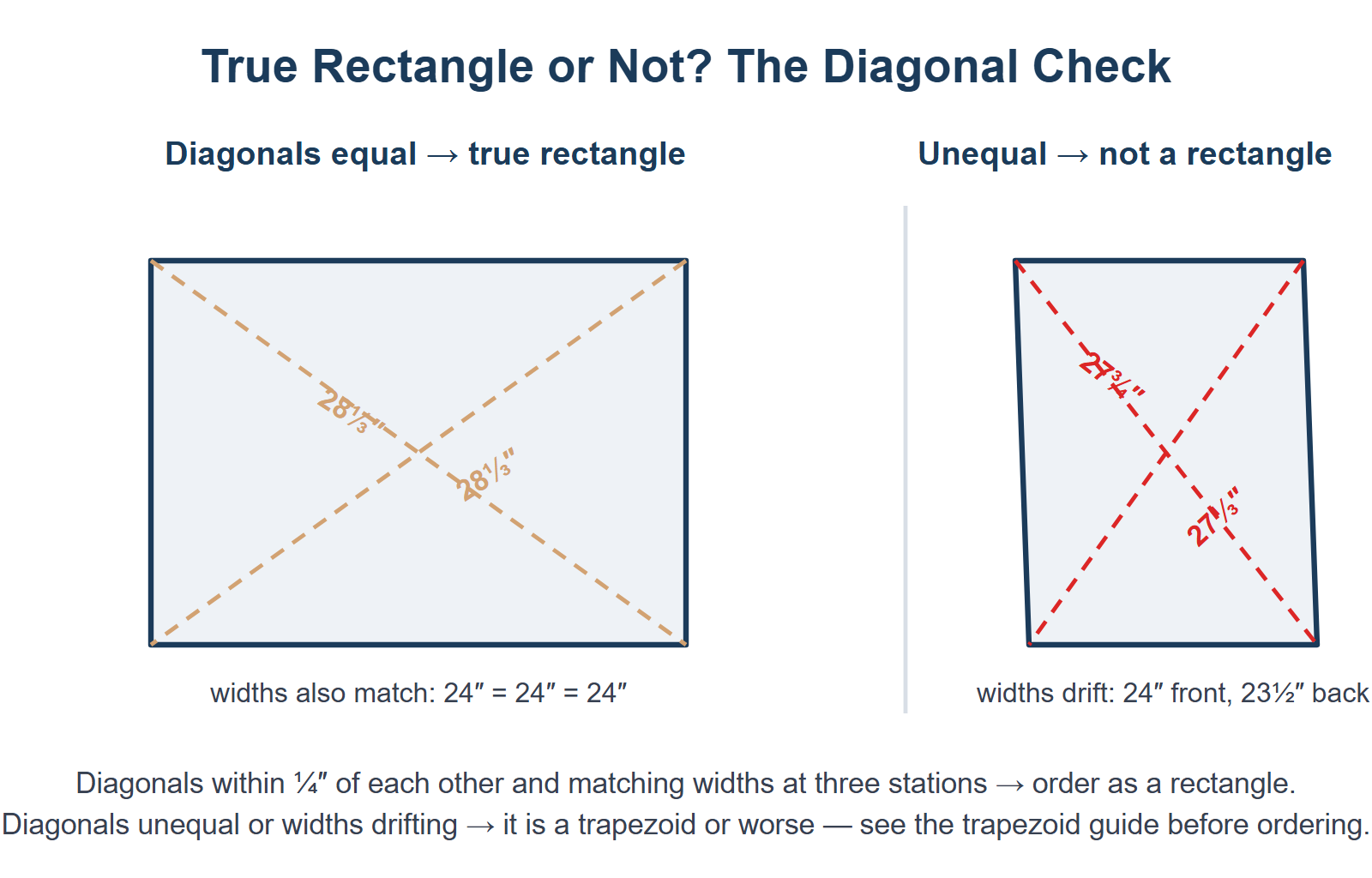
- – Diagonals within ¼″ of each other: true rectangle. Order W, D, T.
- – Diagonals unequal, widths equal: the seat has shifted out of square — send a sketch or an overhead photo with the order and we cut to the real corners.
- – Diagonals unequal, widths drifting too: it is a trapezoid or a compound shape — the trapezoid guide sorts it, including the cardboard template method for seats that refuse to give clean numbers.
The Mistakes That Read Long
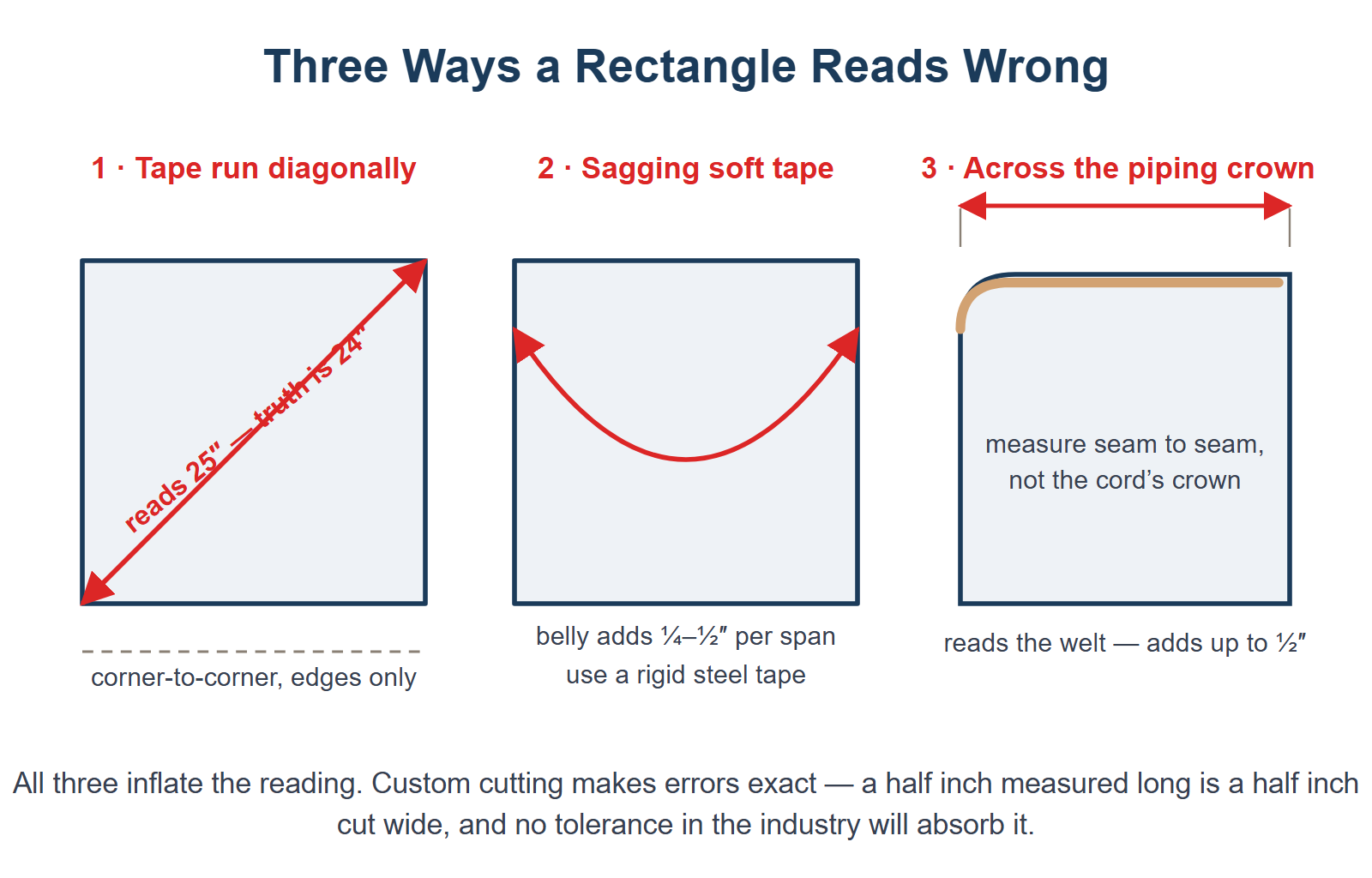
- The diagonal tape. A tape run corner-to-corner across the seat instead of along the edge reads the hypotenuse. On a 24″ by 24″ seat that is 34″ — a cushion for a different chair entirely. Edges only.
- The sagging soft tape. Fabric tapes droop under their own weight on any span past a couple of feet, and the belly adds a quarter to a half inch of fiction. Rigid steel only.
- Reading the piping crown. The welt is cords and wrapped fabric sitting proud of the seam. Measure seam to seam; the crown comes back on its own when the new cover is sewn.
- Measuring the old pad’s stretched cover. Aged covers run wide at the sat-on end and baggy overall. If the frame is reachable, the frame is the truth; if only the old pad exists, follow the old-pad protocol — flat, unstretched, seam to seam.
Tolerance, Rounding and Ordering
We cut to a ±½″ tolerance — but the tolerance protects the cut, not the measurement. A reading taken wrong by an inch arrives cut wrong by that same inch, accurately. Round each dimension once, at the end, to the nearest quarter inch; do not round twice or “add a little for snug.” In practice: a width reading of 23⅚″ becomes 23½″, a depth of 19⅛″ becomes 20″, and both stop there — no second pass of “cleaning up” the number, no borrowing from one dimension to flatter another. The snugness is already engineered: a pad cut to the true frame number touches every edge it should. If you want a pillow-soft fit, say so in the order notes — do not smuggle it into the numbers.
Enter W, D and T in the custom cushion builder (rectangle shape pre-selected) — the drawing and the live footprint price update as you type, and standard size reference points live in the standard cushion sizes chart. Every dimension is re-verified against your order before anything is cut, and production runs 4–7 business days with rush service at 3–5.
Where This Guide Fits: Shape Rules vs Furniture Guides
This article is the shape rule for rectangles — it applies to every rectangular pad on every piece of furniture. The furniture-specific guides layer the scene on top of it, and they assume you have read a shape rule first:
- – Couches and sofa sets (seat, back and full-set measuring): how to measure couch cushions
- – Banquettes and breakfast nooks (straight, L-shaped and curved runs): how to measure a banquette
- – Dining chairs (seats, ties and full sets): how to measure dining chair cushions
- – Benches (indoor, outdoor, extra-long runs): bench cushion measurements
- – Window seats (sill lines and depth caps): window seat cushion measurement
And when the seat is not a rectangle at all, the shape rules continue: trapezoids, rounds, ovals, T-cushions and notched corners each have their own guide with the same discipline — real numbers, real fields, verified before cutting.
FAQs
Should I add anything to my measurements for a snug fit?
No. Give the true frame reading — the tailored, snug look comes from cutting to the real number, not from padding it. “Add a little” is how cushions overhang edges.
My seat is nearly square. Do the rules change?
No — a square is a rectangle whose W and D happen to match. Read both anyway, along with the diagonal check; some “squares" turn out to be 24 by 24½.
Should I measure the old cushion or the furniture frame?
The frame whenever it is reachable. Old covers stretch unevenly with age — the sat-on end runs wide, the rest runs baggy. If the old pad is all you have, read it flat, unstretched, seam to seam.
What if my numbers land between quarter inches?
Round once, to the nearest quarter inch, and stop. Our cutting tolerance is ±½″; double rounding and repeated “correcting” add error, not precision.
Does a rectangle cost less than a shaped cushion?
Same rates — every shape prices on its footprint at the same shape factor, so a rectangle and a same-footprint trapezoid cost the same. Fabric runs a flat $7.43 per square foot across all 119 fabrics.
Can one order mix rectangles with other shapes?
Yes — every line on a multi-piece order carries its own shape and its own three numbers. A typical patio set mixes rectangles (plain seats), T-cushions (sofa seats with ears) and the odd trapezoid; each gets measured by its own shape rule in one session, so every piece is read under the same tape and the same light.
Next Steps
- Run the six readings — width at three stations, depth at three stations — then the diagonal check. Thirty seconds, and it decides which shape guide you are actually ordering from.
- Read thickness seam to seam on the old pad, or deck-to-rail on the bare frame.
- Enter W, D and T in the rectangle cushion builder, check the live drawing against the seat from above, and attach an overhead photo at checkout — every dimension is re-verified before we cut.
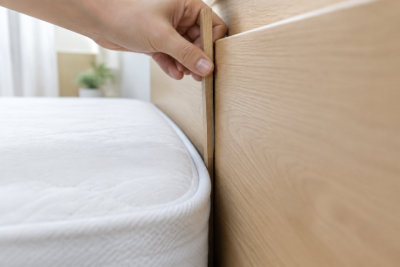
What Size Bed Gap Filler Do I Need? Thickness, Length and Density
Size a bed gap filler from three measurements, not the bed’s name: thickness equals gap width plus half an inch to one, length runs the full seam, height runs platform to mattress top. Density starts at 50D.
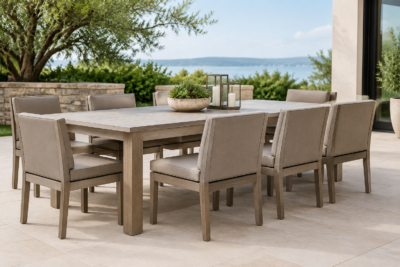
Cushion Thickness & Seat Height: Match the Pad to the Table
Cushion specs usually answer comfort questions. Thickness answers a geometry question: how high off the floor you end up sitting,

Church Pew Cushion Sizes: Standard Dimensions and How to Measure
Standard pew seats run 19-21 inches deep; cushions are cut 2-3 inches thick to measured runs at plus-or-minus half inch tolerance. Dimensions table, taper rules, and the pew-by-pew measuring method.
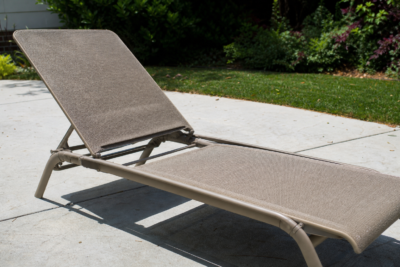
Chaise Lounge Cushion Measurements: A Complete Guide to Getting the Fit Right
How to measure a chaise lounge cushion correctly — seat depth, back height, thickness, hinge points and one-piece vs two-piece styles — with real Hampton Bay chaise dimensions.
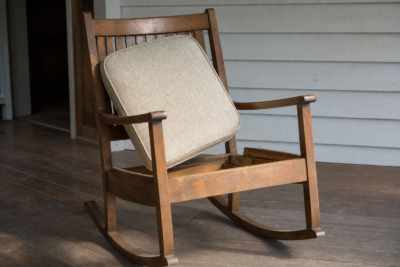
How to Measure Rocking Chair Cushions: Seats, Backs and Tie Positions
How to measure rocking chair cushions — tapered seats, curved backs, slat-gap tie maps and rock clearance — with the three-number protocol for both pieces of a rocker set.
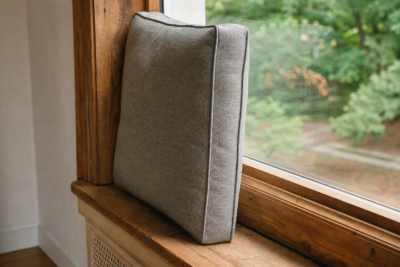
Window Seat Cushion Measurement: How to Get a Perfect Fit
Measure a window seat cushion correctly — width across alcoves, depth front to back, thickness vs sill height, radius corners and bay window angles — with tips from the cutting floor.