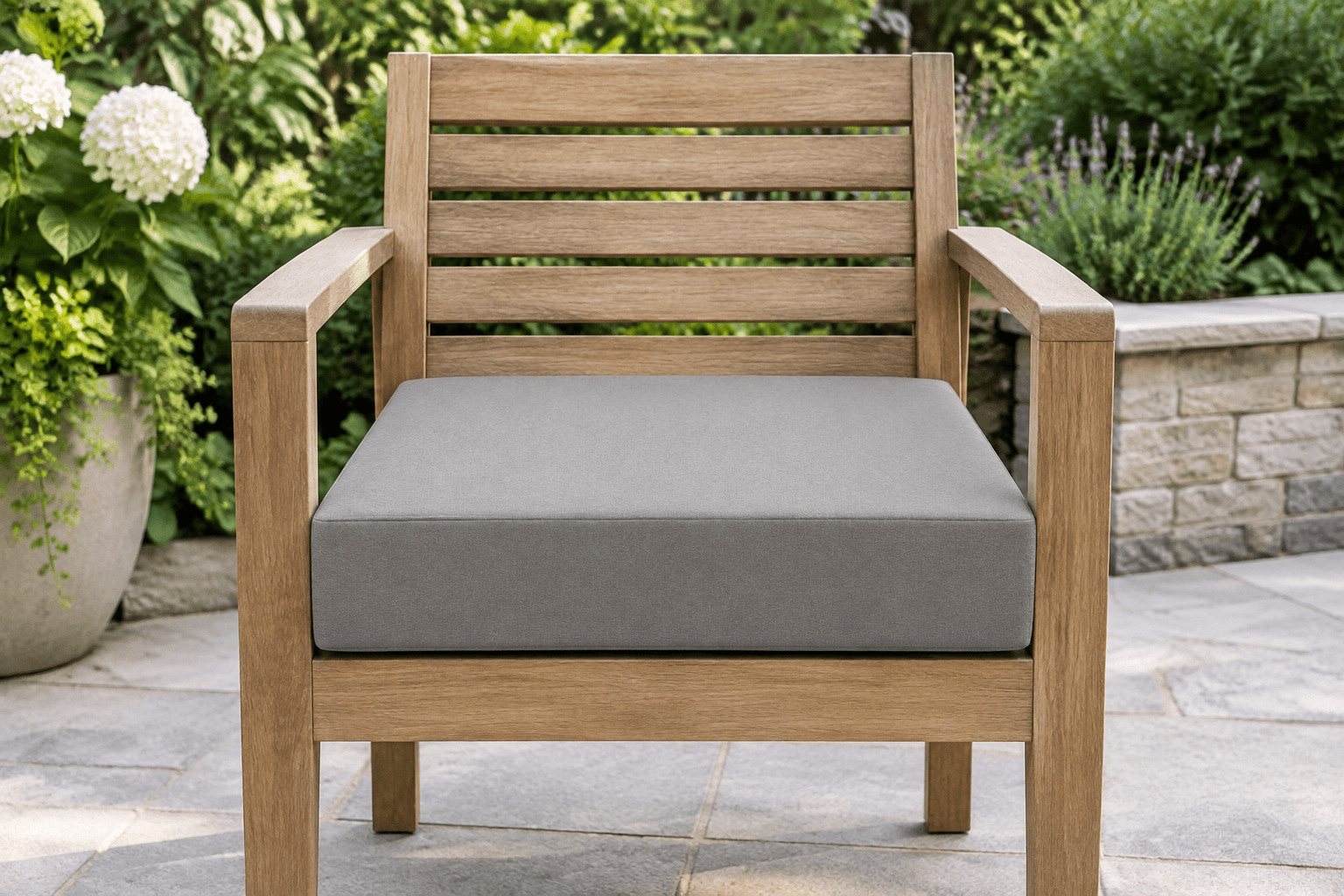
26" x 26" Outdoor Cushions – Custom Made to Your Exact Size
The cut follows your tape: width, depth, and thickness exactly as measured, not as charted. Built factory-direct with no minimum order.
See the full cushion size chart — every standard size and its typical frames at a glance.
Start with your shape
Not sure? Pick the closest — every measurement is confirmed before we cut.
Don't see your shape? We make any shape.
Straight edges? A top photo + the edge numbers is all we need. Curved? Trace it on paper next to a tape measure and email us a photo.
Enter your measurements
Measure the old cushion flat, edge to edge — never the frame.
Choose your fabric
Five families, 119 cuts, one flat rate — pick by look and feel. Click a family to see its swatches below, or its ⓘ for what the fabric is and where it works best.
No fabrics match the current filters — clear one above.
All covers cut to your exact dimensions — no stock sizes, zippered covers that remove for washing.
Review & order
Calculated live from your measurements — every line, no surprises.
Free shipping over $158 · $29 flat below
Estimates only — we re-verify every dimension before cutting and will contact you if anything looks off. Prefer email? Email me this quote
Odd shape or tricky frame? Upload a photo of your furniture or old cushion — one overall shot, plus a top and side view of the old cushion if you can.
JPG, PNG or WebP · up to 10 MB each · max 3
No trading company between you and the cutting table
The full 119 sit in the configurator
Measured cuts, not stock-chart guesses
Miss on our side and the remake is free
Build Your 26 x 26 Cushion
Twenty-six inches is big-frame territory: oversized lounge seats, wide swivel chairs, chaise backs, and the generous modular pieces that make a patio feel like a living room. Big cushions are also the worst stock-replacement gamble — a near-miss that would hide on a small chair is obvious at this scale, and oversized pads are what most manufacturers simply refuse to carry. The square ladder runs both ways from here — down through the 23 x 23 lounge square, up past 27 and 28 to the 30 x 30 daybed square.
Every 26 x 26 outdoor cushion is cut to your measurements in the same fabrics as our full line, from Tech Fabric, our waterproof, wipe-clean leather-like workhorse, to Premium Velvet, plush claw-resistant velvet. Our library documents nine factory pieces at this square and its nearest sizes, including the Edington swivel seat (25.25 x 26.5), the Cedar Island chaise back (26 x 26.5), and Woodbury loveseat and sofa seats — series charts linked below. Foam density upgrades recommended for daily-use seating. Factory-direct, sewn to the quarter inch.
Close but not exactly 26 x 26? Type your numbers — decimals included — and the estimate updates as you go →
Pricing — estimated starting at
| Foam density | Estimated price* |
|---|---|
| 35D foam | $185 |
| 50D foam | $190 |
| 65D foam | $204 |
*One cushion, 26 × 26 in. (4.69 sq ft top surface): $45 make-base + 4.69 sq ft × combined foam + fabric rate ($29.81/sq ft in 35D, $30.79 in 50D, $33.80 in 65D, each at the 5-inch default). One price covers all 119 fabrics — pick on looks alone. The 134 entry teams 35D foam with the 2-inch minimum cut. Thickness and closure type get locked in at checkout, and each dimension is re-confirmed with you before the knife moves.
For comparison: U.S. custom-configurator specialists’ 2026 listings for made-to-order cushions in common sizes (16×16 through 24×24) run roughly $71–$119 before shipping — and most only reveal that price after a quote request. The pricing math is right on the page — every dollar of the estimate traces back to a dimension you can measure.
Fits these furniture series
| Series | Piece | Part | Factory size (W × D × T) |
|---|---|---|---|
| Cedar Island | Chaise Lounge | Back | 26 × 26.5 × 5 in. measured |
| Woodbury | Loveseat | Seat | 26 × 25.5 × 5 in. measured |
| Edington | Swivel Lounge Chair | Seat | 25.25 × 26.5 × 5 in. measured |
| Woodbury | Sofa | Seat | 25.25 × 25.5 × 5 in. measured |
| Woodbury | Lounge Chair | Seat | 25 × 25.25 × 5 in. measured |
| Miramar | Lounge Chair | Seat | 25 × 25 × 5 in. measured |
| Monticello | Lounge Chair | Seat | 25 × 25 × 5 in. measured |
| Monticello | Sofa | Seat | 25 × 25 × 5 in. measured |
| Pacific Grove | Lounge Chair | Seat | 25 × 25 × 5 in. measured |
A match means width and depth each land within 1.5 in. of 26 x 26. The charts draw on our measurement library of factory-original pieces and supplier documents. Your order’s dimensions are re-checked before cutting. We are not affiliated with any brand named on this page; names identify fit.
Exact fit in any size — get an instant quote.
Yours measures off the chart? Good — the cut follows your numbers.
Measuring tips for a 26 x 26
- Lay the original pad flat on a table: width across the edges, depth from front to back, thickness at the seam — leave the foam uncompressed.
- On frames over 24 inches, measure the depth at both ends — older welded frames go out of square; we cut to the average.
- Match the old pad’s thickness to keep seat height unchanged; every inch of cushion lifts the sitter.
A full photographic walkthrough lives here: How to Measure (and Identify) Your Cushions.
Fabrics that suit a 26 x 26
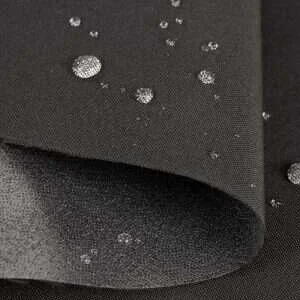
Big pads hold big weather: Tech Fabric default for open exposure, Cotton Linen under cover, Premium Velvet indoors. The outdoor fabric guide covers fade-versus-moisture logic by climate.
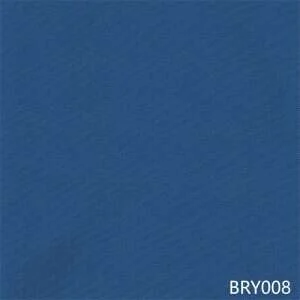
A few from the 119-fabric lineup — review the full set, zoomed, in the configurator first.
The 26-inch boundary
Foam thickness for a 26 x 26
Twenty-six inches square is the upper edge of standard deep seating — wide lounge modules, generous club chairs, sectional seats. Thickness wants 5–6 inches; the span bridges real frame gaps and thin pads dish between seams. Above 6 inches the foam wants vent channels, flagged at confirmation.
Density carries the span: 50D daily, 60D nap-grade, 65D mattress duty. Backs run 18–26 high at their own loft; one fabric run keeps the whole set agreed.
Twenty-six is where the stock world ends and the custom world starts — retail bins are built to 26, and everything past it is special-order or nothing. That makes this square a boundary object in both directions: buyers with true 26-inch frames find the last shelf that might hold them, and buyers at 26.5 discover why the shelf was never going to. The library’s originals at “26” run 25.5 to 26.75 — the Edington swivel seat at 25.25 × 26.5, the Cedar Island chaise back at 26 × 26.5, Woodbury loveseat seats at 26 × 25.5 — and each of those decimals is a frame that a bin’s “26” fits badly.
The boundary cuts the other way for fit: an inch matters more at this scale, not less. A 25-inch pad in a 26-inch deck leaves a gap the back cushion cannot hide; a 27 in a 26 deck overhangs the front rail and rides up when anyone sits. Measure the deck, order the decimal, and the boundary stops mattering.
Thickness picks at 26 x 26
The ladder at this width is the deep-seating ladder with the stakes raised — big squares make wrong thickness more visible and more expensive to live with. Five inches is the standard the frames assume; six is the plush tier for nap-grade builds; four belongs only on dining-scale pieces that happen to run wide decks. If you are replacing rather than designing, the fastest answer is the old pad’s side: measure its seam-to-seam thickness and match it — the seat height, the arm height, and the back pitch were all built around that number, and matching it keeps the geometry the frame was designed with.
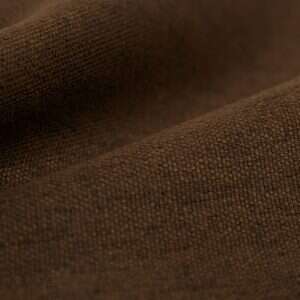
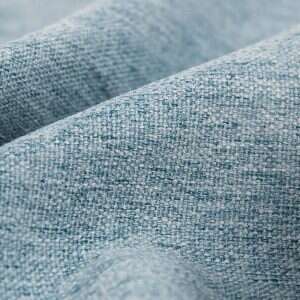
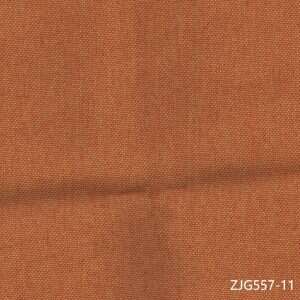
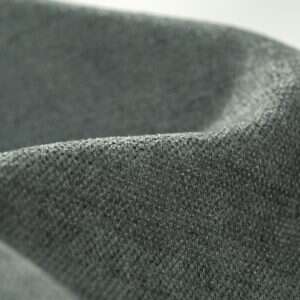
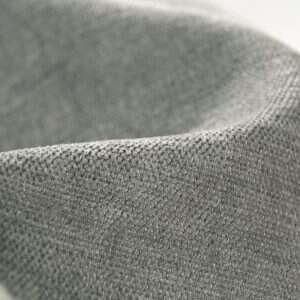
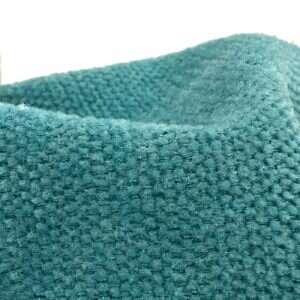
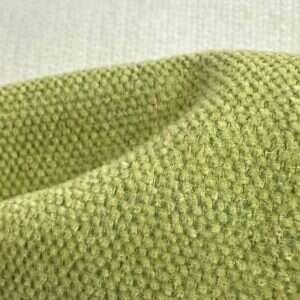
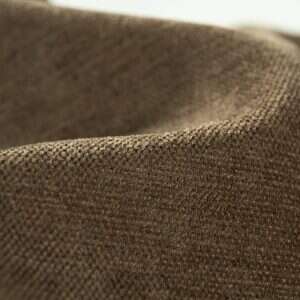
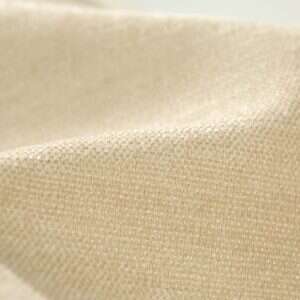
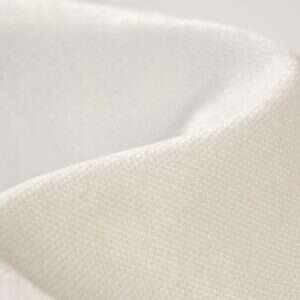
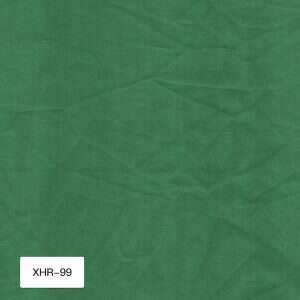
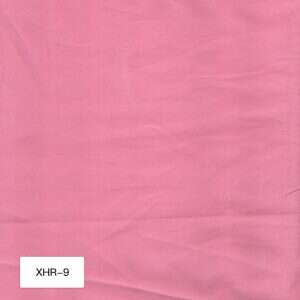
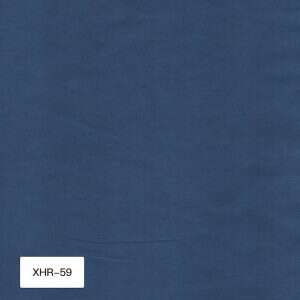
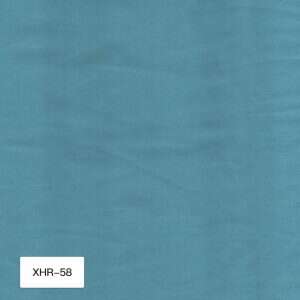
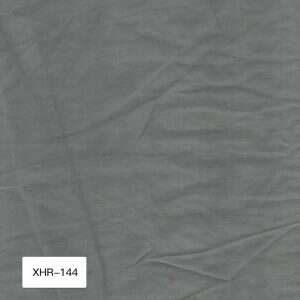
A sample of the 119-fabric range — every option is open in the configurator before you order.
Frequently asked questions
The bench that cuts it boxes it
- We have run this outdoor cushion workshop for over a decade; every order is cut, filled, and sewn by us.
- No yard of fabric is cut until your dimensions have been checked again.
- Made when ordered — fabric and piece are yours to pick, with no floor on quantity.
- If the build misses — exceeding ±½″ (±¾″ beyond 36″), wrong fabric, or wrong build — it is remade free.
Custom 26 x 26 cushions from $160 — get a quote in four steps.
Ready when you are. Enter your measurements, pick your fabric and your finishing — every dimension comes back to you for confirmation before we cut. One cushion or a whole set, from the factory that ships them. Cut to within ½ inch of your confirmed numbers — outside tolerance, remade free.
Related pages
Track Your Order
Track Your Cushion Order Every CushionMill order is cut and sewn to your measurements, then shipped from our workshop in
Hampton Bay Loveseat Cushions
Hampton Bay Loveseat Cushions Factory Direct — The workshop that cuts it is the one that ships it 119 Fabrics
Hampton Bay Lounge Chair Cushions
Hampton Bay Lounge Chair Cushions Factory Direct — The workshop that cuts it is the one that ships it 119
Hampton Bay Swivel Cushions
Hampton Bay Swivel Cushions Every Hampton Bay series that ships a swivel chair, measured to OEM figures on one page
Hampton Bay Ottoman Cushions
Hampton Bay Ottoman Cushions Every Hampton Bay series that ships an ottoman, measured to OEM figures on one page —
Hampton Bay Fire Pit Cushions
Hampton Bay Fire Pit Cushions Every Hampton Bay series built for the fire pit, measured to OEM figures on one
Background reading
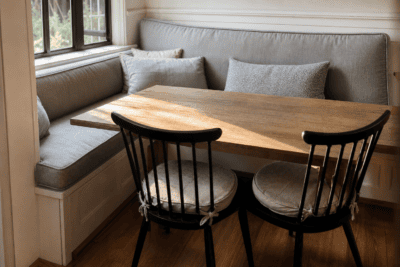
Breakfast Nook Cushions: The Corner-Seating Build Guide
Breakfast nook cushion guide: L-shaped and U-shaped runs, corner geometry and seam placement, seat-plus-back builds at dining height, morning-sun fabric logic, and ordering the whole run from one fabric lot.
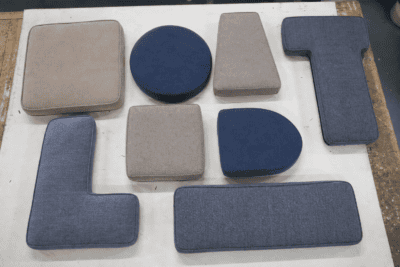
Cushion Shapes Guide: All 11 Shapes, What They Fit, and How to Measure Each One
A field guide to every cushion shape we cut — rectangle, chaise, L-shape, T-cushion, bowed, notched, round, oval, half-round and wedge — which furniture each one belongs to, how to measure it in inches, and exactly which shape to pick in our custom cushion builder.
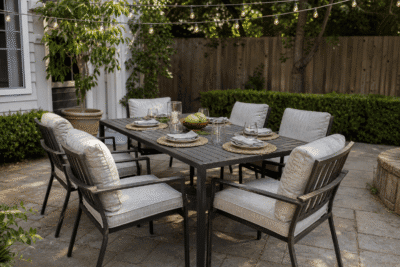
Outdoor Dining Sets: Buying the Set Right So the Cushions Work
Outdoor dining set buying guide: how the set choice locks in your cushion future — seat sizes, arm heights, frame materials, cushion quality in boxed sets versus custom pads, and set versus separate buying.
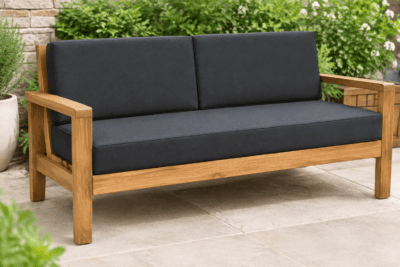
Best Outdoor Furniture Materials: What to Buy for Your Climate and Budget
The material-by-material guide to outdoor furniture — teak, aluminum, steel, HDPE wicker, resin, recycled plastic and more — ranked for weather endurance, maintenance burden and cost, with the cushion spec each one implies.
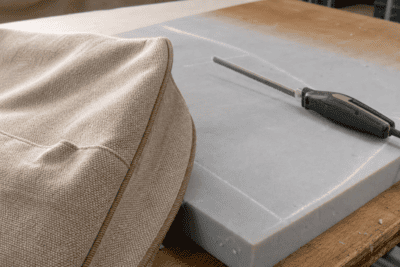
Sofa Foam Cut to Size: How to Order Exact-Fit Foam
How to order sofa foam cut to size — measuring the core, adding the compression allowance, specifying density, thickness and shape, and the checklist to run before any foam is cut.
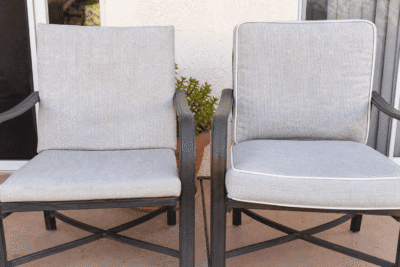
Cheap vs Quality Outdoor Cushions: Where the Money Actually Goes
What separates a $15 cushion from a $60 one and a $150 one — fabric construction, fill, stitching and covers — which upgrades matter, which are markup, and how to buy the quality your furniture actually needs without overpaying.