17" x 18" Outdoor Cushions – Custom Made to Your Exact Size
Width, depth, and thickness cut to your numbers — never to a stock size table. Straight from the factory, order one or more.
See the full cushion size chart — every standard size and its typical frames at a glance.
Start with your shape
Not sure? Pick the closest — every measurement is confirmed before we cut.
Don't see your shape? We make any shape.
Straight edges? A top photo + the edge numbers is all we need. Curved? Trace it on paper next to a tape measure and email us a photo.
Enter your measurements
Measure the old cushion flat, edge to edge — never the frame.
Choose your fabric
Five families, 119 cuts, one flat rate — pick by look and feel. Click a family to see its swatches below, or its ⓘ for what the fabric is and where it works best.
No fabrics match the current filters — clear one above.
All covers cut to your exact dimensions — no stock sizes, zippered covers that remove for washing.
Review & order
Calculated live from your measurements — every line, no surprises.
Free shipping over $158 · $29 flat below
Estimates only — we re-verify every dimension before cutting and will contact you if anything looks off. Prefer email? Email me this quote
Odd shape or tricky frame? Upload a photo of your furniture or old cushion — one overall shot, plus a top and side view of the old cushion if you can.
JPG, PNG or WebP · up to 10 MB each · max 3
Made and shipped from the same bench
The full 119 sit in the configurator
Sewn to the numbers you send
A wrong cut is remade, not argued
Build Your 17 x 18 Cushion
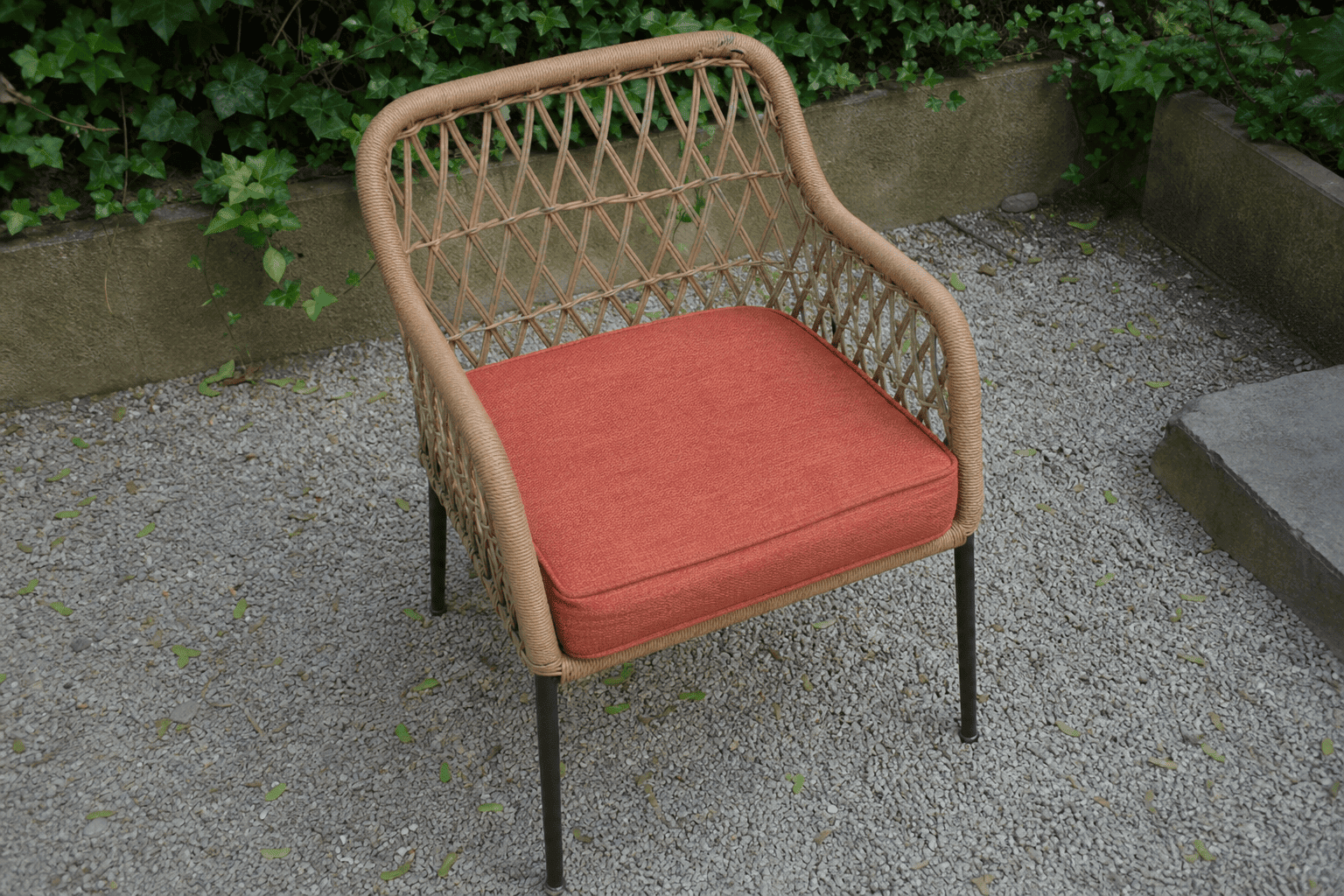
Seventeen by eighteen is a true odd-size — the footprint of smaller dining chairs, balcony sets, and children’s outdoor seating that no stock program bothers to carry. Odd sizes are where custom cutting earns its keep: your frame exists, it measures what it measures, and we cut to that number instead of the nearest bin. Square decks run their own ladder — the 23 x 23 lounge square up to the 30 x 30 daybed deck — and every one cuts to your numbers.
We cut every 17 x 18 outdoor cushion to the measurements you send — width, depth, thickness — sewn to the quarter inch. Thickness for small dining frames runs 2.5″–3″; a 4″ pad can lift a small chair awkwardly high. Fabric families run Tech Fabric, our waterproof, wipe-clean leather-like weave — the outdoor workhorse; Cotton Linen, a durable everyday weave for covered porches and indoors; and Premium Velvet, plush claw-resistant velvet for indoor luxury.
Close but not exactly 17 x 18? Type your numbers — decimals included — and the estimate updates as you go →
Pricing — estimated starting at
| Foam density | Estimated price* |
|---|---|
| 35D foam | $101 |
| 50D foam | $103 |
| 65D foam | $106 |
*One cushion, 17 × 18 in. (2.12 sq ft top surface): $45 make-base + 2.12 sq ft × combined foam + fabric rate ($26.47/sq ft in 35D, $27.37 in 50D, $28.69 in 65D, each at the 3-inch default). One price covers all 119 fabrics — pick on looks alone. The 84 entry teams 35D foam with the 2-inch minimum cut. Thickness and closure type get locked in at checkout, and each dimension is re-confirmed with you before the knife moves.
For comparison: U.S. custom-configurator specialists’ 2026 listings for made-to-order cushions in common sizes (16×16 through 24×24) run roughly $71–$119 before shipping — and most only reveal that price after a quote request. The pricing math is right on the page — every dollar of the estimate traces back to a dimension you can measure.
Fits these furniture series
| Series | Piece | Part | Factory size (W × D × T) |
|---|---|---|---|
| Charlottetown (Martha Stewart) | Dining Chair | Seat | 18.25 × 18.25 × 3.75 in. |
Close but not exact? That is the everyday case at this size — send your measured numbers and we cut to them; nothing in this library gets rounded to fit a bin.
Yours measures off the chart? Good — the cut follows your numbers.
Measuring tips for a 17 x 18
- Table, flat cushion, tape measure: width goes edge to edge, depth runs front to back, thickness is taken at the seam — and the pad stays uncompressed.
- No old cushion? Measure the seat deck between the frame rails and arms, and send the raw numbers rather than rounding.
- Photograph the label under the frame first — a model number can match you to a documented series chart in seconds.
A full photographic walkthrough lives here: How to Measure (and Identify) Your Cushions.
Fabrics that suit a 17 x 18
At 17 x 18, the fabric should follow where the chair lives rather than the price tag. Open patios and poolside: Tech Fabric, our waterproof, wipe-clean weave that takes a season of sun and spilled drinks. Covered porches and three-season rooms: Cotton Linen, the breathable everyday weave. Indoor breakfast nooks: Premium Velvet if the household includes cats. Every fabric sews to the same measurements — the fabric never changes the fit — and the full tier-by-tier comparison lives in the outdoor fabric guide.
Some of the 119 fabrics on offer — the configurator shows each one close up before you commit.
The honest case for odd sizes
Foam thickness for a 17 x 18
Thickness on a 17 x 18 seat is a height decision before it is a comfort decision: the chairs that take this footprint — compact dining chairs, balcony folding sets, kids’ patio seating — were designed around a 2.5–3 inch pad, and every inch above that lifts the sitter toward the table edge. Order 2.5 inches where knee clearance is tight, 3 where the frame sits low or the family lingers at dinner. A 4 inch pad on a small frame reads as upholstery, not seating.
Density is the lifespan half of the same choice. We cut four grades, 35D through 65D: 35D is the honest spec for occasional patio dining, 50D is the daily-family standard that keeps its front edge for seasons, and 60–65D belongs to mattress and commercial duty rather than a chair this size. The foam tier is confirmed with your dimensions before anything is cut.
Nobody chooses a 17 × 18 frame; the frame is inherited, gifted, or bought in a year when the factory felt like it. The size exists because furniture production never standardized — different factories, different countries, different decades, each cutting seats to the frames they happened to build — and the retail bin system that grew alongside it only ever stocked the middle of the resulting spread. Sizes like this one fell in the gap on purpose: too few owners per size to stock, too many owners in total to serve.
Made-to-order closes the gap by not trying to stock it. Your 17 × 18 is not an unusual order here — it is a Tuesday: the form takes the numbers, the formula prices the area, and the factory cuts to the entry. The only special thing about an odd size is that it cannot be approximated: a 17 × 18 deck given an 18 × 18 pad overhangs both rails, and given a 16 × 17 it gaps at every edge. Odd sizes are where measuring stops being advice and becomes the whole product.
Neighbors: 17 x 17 and 18 x 18
The even squares on either side are the stock world’s nearest offers, and both are wrong for this frame — that is the point. An 18 × 18 pad overhangs the depth rail by an inch; a 17 × 17 leaves an inch of gap at the front edge where debris collects and the pad shifts. The middle sizes exist because factories built them; they persist because furniture outlives its parts channel by decades. If your tape says 17.5 × 18 or 17 × 18.25, that is the order — same formula, same quarter-inch tolerance.
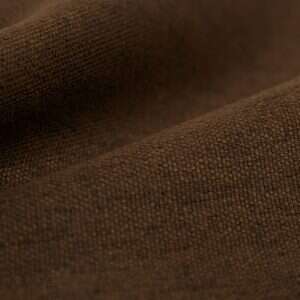
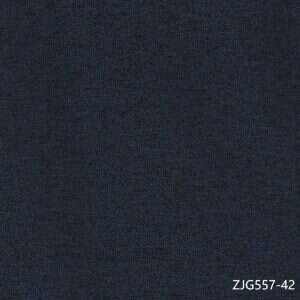
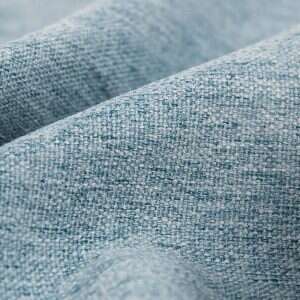
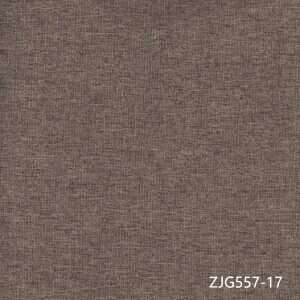
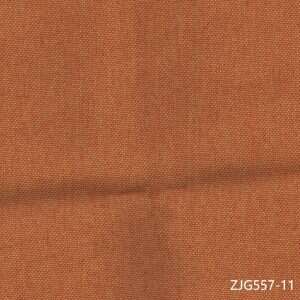
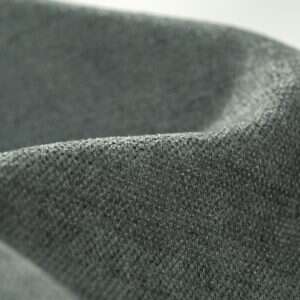
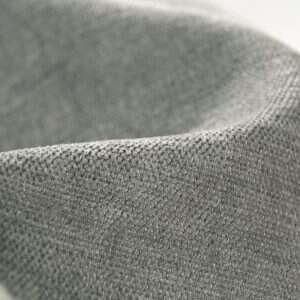
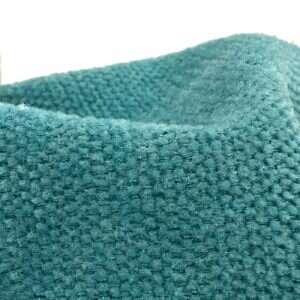
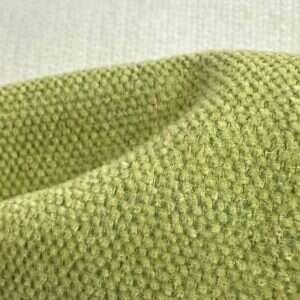
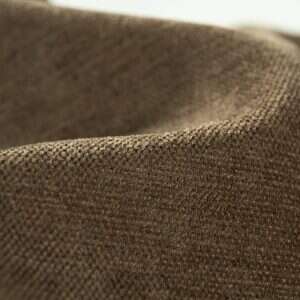
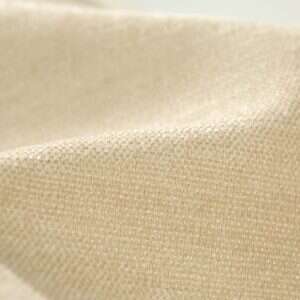
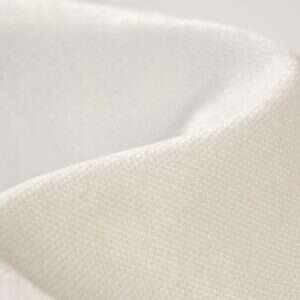
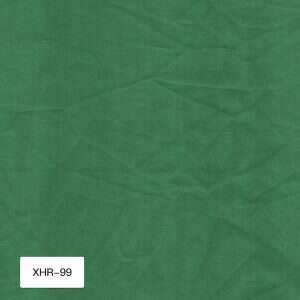
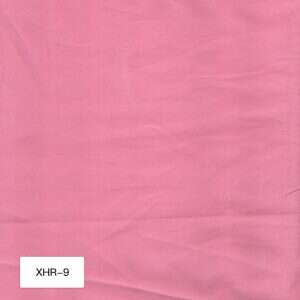
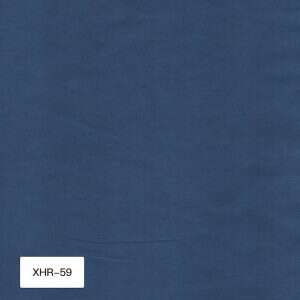
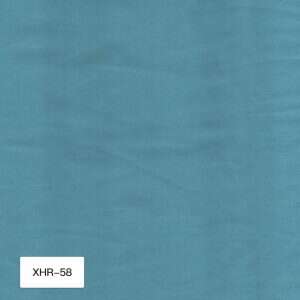
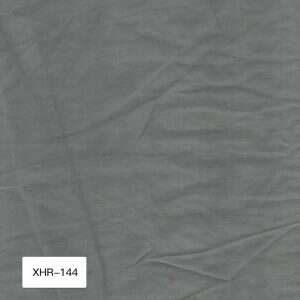
A sample of the 119-fabric range — every option is open in the configurator before you order.
Frequently asked questions
The bench that cuts it boxes it
- Outdoor cushion production for ten-plus years — cutting, filling, and sewing done in-house, order by order.
- The dimensions you send are reviewed once more before fabric ever reaches the table.
- Made to order covers any fabric, any piece, and no minimum quantity.
- If the build misses — exceeding ±½″ (±¾″ beyond 36″), wrong fabric, or wrong build — it is remade free.
Custom 17 x 18 cushions from $97 — get a quote in four steps.
Ready when you are. Enter your measurements, pick your fabric and your finishing — every dimension comes back to you for confirmation before we cut. One cushion or a whole set, from the factory that ships them. Cut to within ½ inch of your confirmed numbers — outside tolerance, remade free.
Related pages
Track Your Order
Track Your Cushion Order Every CushionMill order is cut and sewn to your measurements, then shipped from our workshop in
Hampton Bay Loveseat Cushions
Hampton Bay Loveseat Cushions Factory Direct — The workshop that cuts it is the one that ships it 119 Fabrics
Hampton Bay Lounge Chair Cushions
Hampton Bay Lounge Chair Cushions Factory Direct — The workshop that cuts it is the one that ships it 119
Hampton Bay Swivel Cushions
Hampton Bay Swivel Cushions Every Hampton Bay series that ships a swivel chair, measured to OEM figures on one page
Hampton Bay Ottoman Cushions
Hampton Bay Ottoman Cushions Every Hampton Bay series that ships an ottoman, measured to OEM figures on one page —
Hampton Bay Fire Pit Cushions
Hampton Bay Fire Pit Cushions Every Hampton Bay series built for the fire pit, measured to OEM figures on one
Background reading
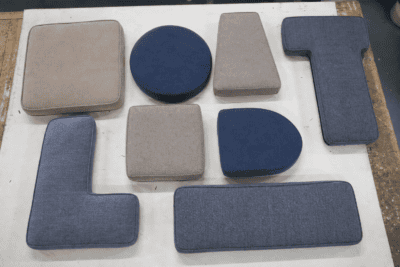
Cushion Shapes Guide: All 11 Shapes, What They Fit, and How to Measure Each One
A field guide to every cushion shape we cut — rectangle, chaise, L-shape, T-cushion, bowed, notched, round, oval, half-round and wedge — which furniture each one belongs to, how to measure it in inches, and exactly which shape to pick in our custom cushion builder.
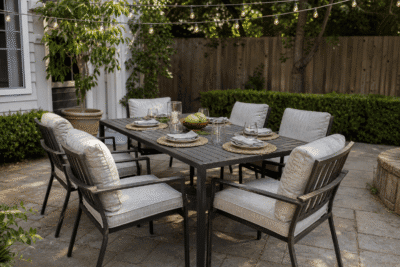
Outdoor Dining Sets: Buying the Set Right So the Cushions Work
Outdoor dining set buying guide: how the set choice locks in your cushion future — seat sizes, arm heights, frame materials, cushion quality in boxed sets versus custom pads, and set versus separate buying.
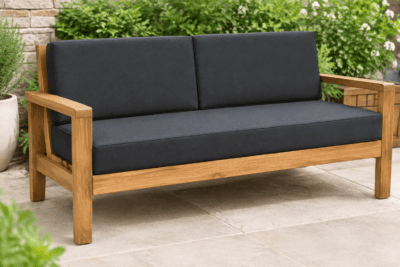
Best Outdoor Furniture Materials: What to Buy for Your Climate and Budget
The material-by-material guide to outdoor furniture — teak, aluminum, steel, HDPE wicker, resin, recycled plastic and more — ranked for weather endurance, maintenance burden and cost, with the cushion spec each one implies.
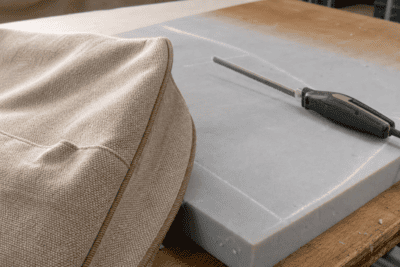
Sofa Foam Cut to Size: How to Order Exact-Fit Foam
How to order sofa foam cut to size — measuring the core, adding the compression allowance, specifying density, thickness and shape, and the checklist to run before any foam is cut.
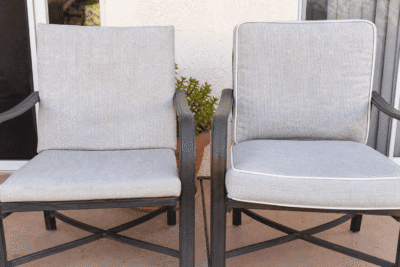
Cheap vs Quality Outdoor Cushions: Where the Money Actually Goes
What separates a $15 cushion from a $60 one and a $150 one — fabric construction, fill, stitching and covers — which upgrades matter, which are markup, and how to buy the quality your furniture actually needs without overpaying.
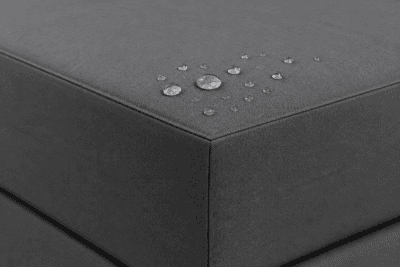
Best Outdoor Cushion Fabric: How to Choose by Climate, Exposure and Budget
A factory guide to outdoor cushion fabrics — solution-dyed acrylic, olefin, polyester grades and blends — ranked for fade, water, mold, comfort and cost per year.