
Short answer: under 48 inches, order one long cushion — it sits flatter, looks built-in, and never drifts apart. Over 60 inches, or on a bench two or more people share daily, split it into two (or three) pieces — covers wash one at a time, flipping is a one-person job, and a damaged section gets replaced without touching the rest. Between 48 and 60 inches, either works; decide on washing habits and who sits there. Below, the five factors that actually decide it, the length rule explained, and what happens at the seam where two cushions meet.
This question surfaces the moment a bench stops being stock. A homeowner on r/longisland measuring a bay-window bench that was “nothing we can get off the rack” (thread) is typical: once you are ordering made-to-measure, the number of pieces is suddenly your decision, and most people have never thought about it. The good news is that it is a genuinely low-risk call — there is no wrong answer, only a better one for your bench.
The Length Rule First, Details After
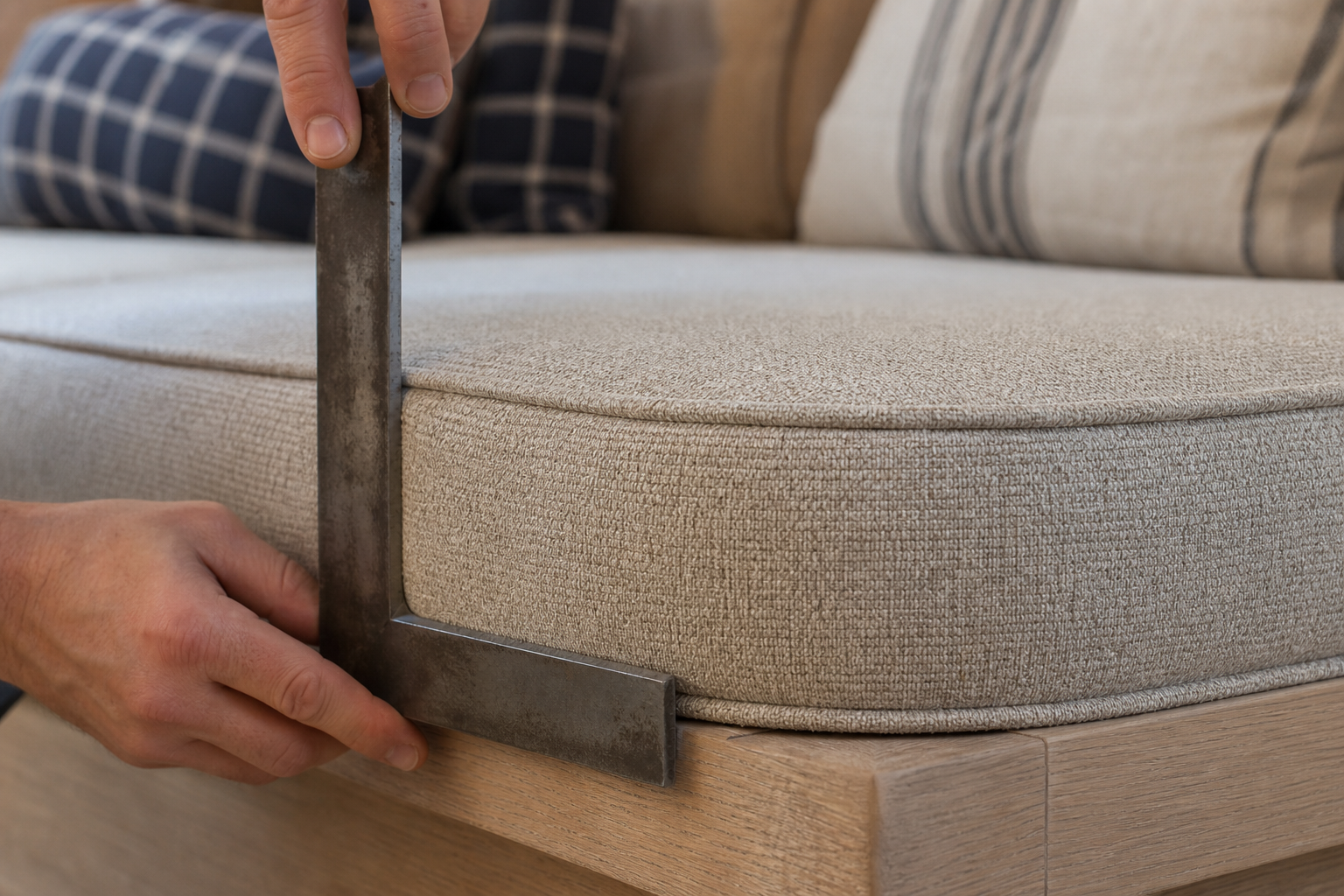
- Under 48 inches: one piece. Two cushions on a 44-inch bench meet almost exactly where one person sits — you would feel the seam for no benefit.
- 48 to 60 inches: your call. One piece still looks cleaner if the bench is a single-person reading spot; two pieces win if the bench seats two and gets hard use.
- Over 60 inches: split it. At this length a single cushion gets awkward to flip, wash, and ship, and three-person benches isolate crumbs and spills better in sections.
Why 48 and 60? A person’s seated footprint is roughly 18–22 inches, so a 48-inch bench seats two people only shoulder-to-shoulder, while a 60-plus bench seats two comfortably — and two sitters means two covers needing washing on two different schedules. The seams, meanwhile, land naturally at person boundaries rather than under one body.
Five Factors, Compared
1. Fit and the built-in look
One long cushion reads as part of the architecture — a single unbroken line from end to end, and on L-shaped or angled benches it wraps the corner without a visual break. Two cushions introduce one straight seam, tight and neat if both pieces are cut from the same measurements, but there. If your bench is a design feature first and a seat second, this factor alone decides it: one piece.
2. Cover removal and washing
A 72-inch cushion cover is a wrestling project — pulled, folded, and re-seated in stages, ideally with a second pair of hands. Two 36-inch covers come off and go back on in minutes, one at a time, and when one section takes a coffee hit, the other stays in service. On benches that eat breakfast crumbs daily, this is the factor owners regret ignoring most.
3. Flipping and airing
Foam lasts longest when it gets flipped and rotated every few weeks, and a high-density 4-inch slab at 70 inches is genuinely heavy. Split pieces make that maintenance a one-person, ten-second task instead of a chore you postpone. If your bench sits in sun or humidity, airing matters too — smaller pieces lift off the frame and dry faster after a damp week.
4. Price
Same total area, slightly different bill. Fabric and foam are bought by the piece of ground they cover, so those stacks barely move. Labor does: making fees are charged per cushion, so two pieces carry two setup charges and a couple more seams to stitch. In practice the split version of a long bench runs about 10–20 percent more than the one-piece equivalent — call it the price of washability. Our bench cushion pricing shows both configurations side by side before you commit.
5. Damage and replacement risk
One piece fails as one piece: a split seam, a pet-clawed panel, or a sun-faded strip means resewing or replacing the entire bench top. Sections fail locally — the worn seat under the favorite chair gets re-covered while the rest stays as-is. For old benches the economics tilt further: as one Reddit poster put it, “It’s close to impossible to find cushions for old pieces of furniture.” (thread) — with sections, you are re-buying a fraction, not hunting a whole unobtainable set.
When One Piece Wins
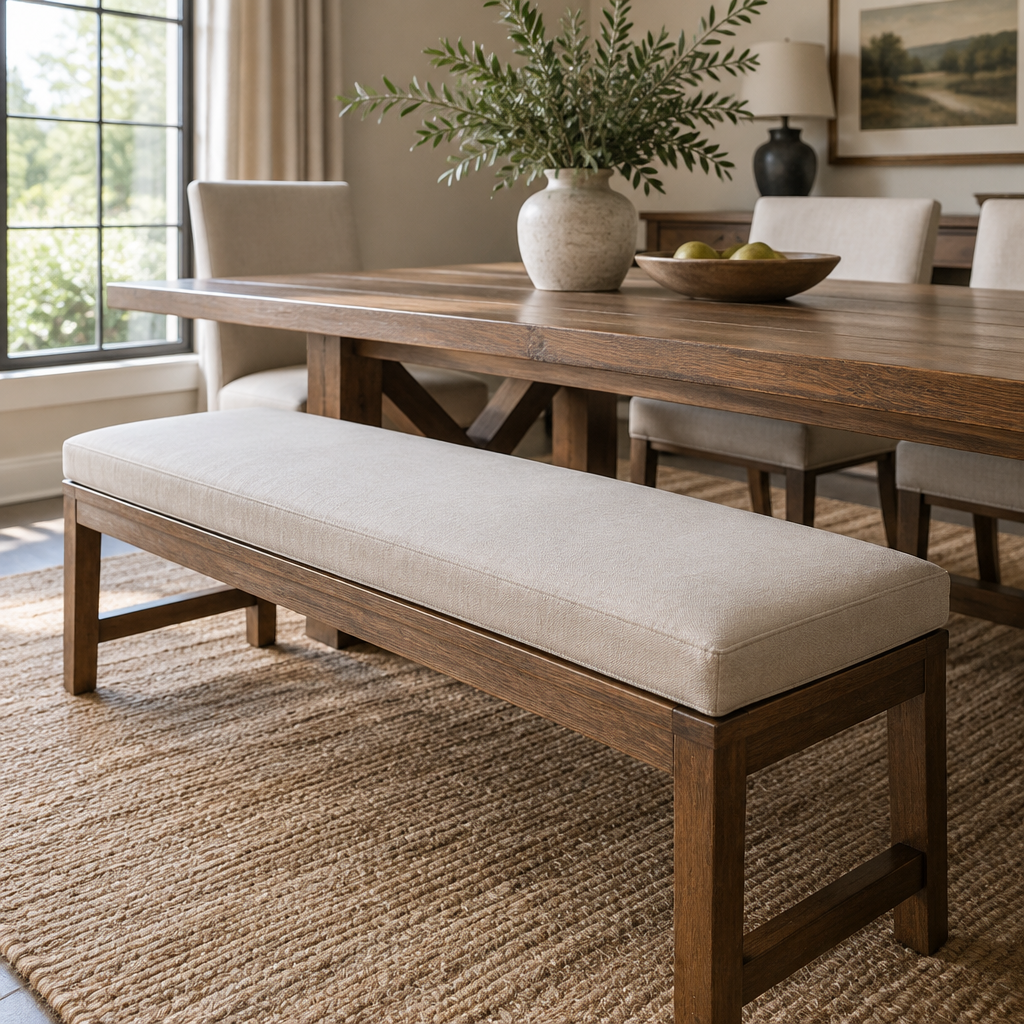
Choose one long cushion when the bench is under 48 inches, when it is a single-sitter reading or entry bench, when the visual line matters more than laundry logistics, or when the shape is unusual — L-shaped runs, angled bay-window ends, notched corners around radiators or trim all read best with zero interruptions, and a single pattern drafted around the odd geometry fits tighter than two pieces butting at an angle. One piece also cannot drift out of alignment, which matters on smooth bench tops.
When Two (or Three) Pieces Win
Choose separate cushions when the bench runs past 60 inches, when two or more people use it daily, when covers will be washed more than once a season, or when anyone in the house struggles with heavy lifting. Split at whole-person widths — roughly 30–36 inches per section on a 72-inch bench, or three sections on anything past 90. And if part of the bench gets much harder use than the rest — the end nearest the kitchen door, the spot under the dog’s window — sections let you rotate that wear across the bench like tires. Banquettes and kitchen nook benches are the classic two-piece case: hard daily use, two sitters, and a washing machine that runs weekly.
What Happens at the Seam
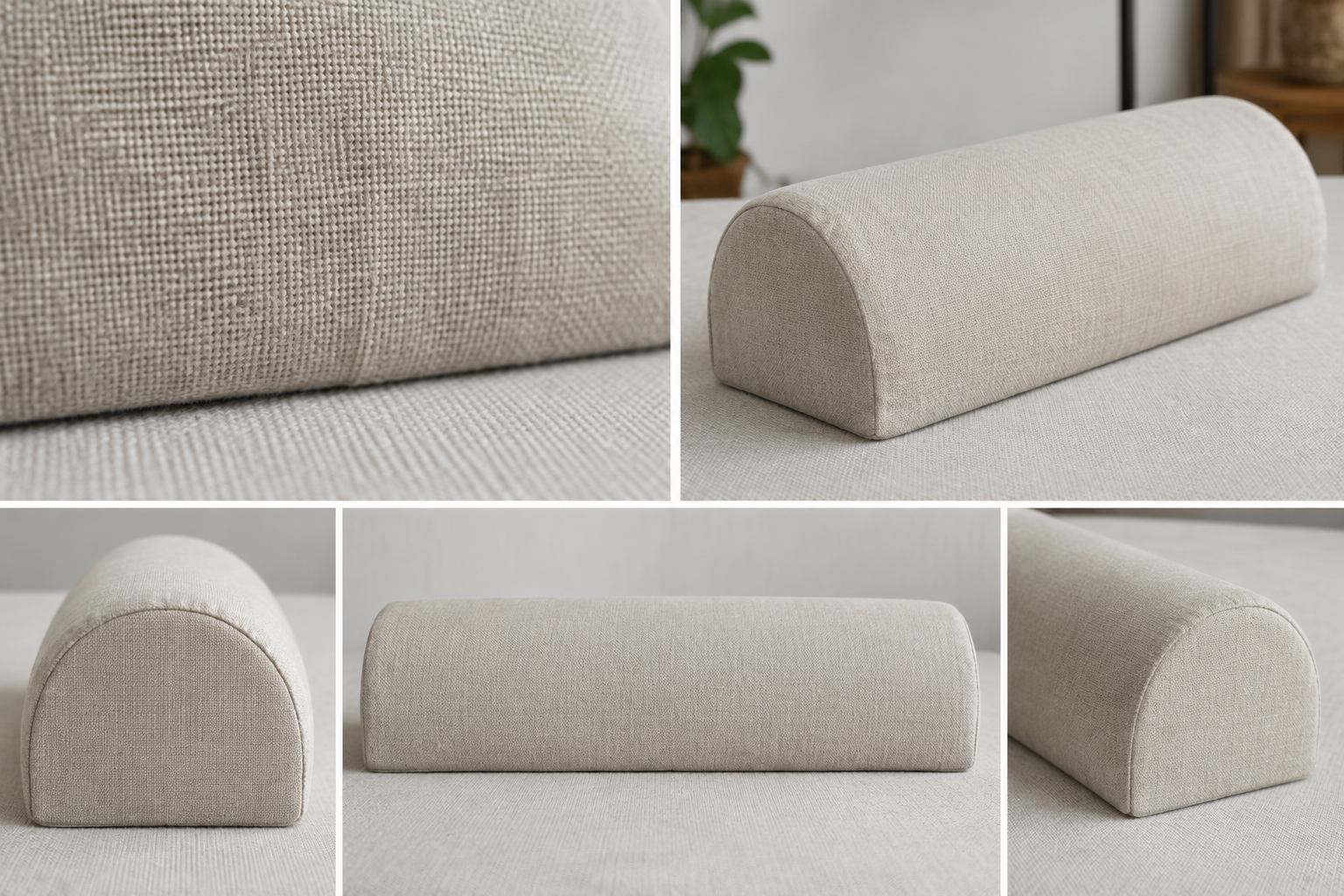
The seam is where split-cushion jobs succeed or fail. Ours are finished with a knife-edge — the fabric is sewn flat and pressed so each section ends in a crisp, low-profile edge. Two knife-edge sections butted together sit nearly flush: visually a thin line instead of a gap, and physically you feel the boundary about as much as you feel a jeans seam through trousers — present if you hunt for it, invisible in use.
Two practical notes. First, both sections are cut from the same measurements and the same fabric bolt, so heights match and pattern lines up across the seam. Second, the seam is where covers meet, not foam: each section’s foam runs edge to edge inside its own cover, so there is no soft spot at the junction. On smooth bench tops, cut-to-measure sections that fill the frame edge to edge stay put simply by fitting — and a one-piece run has the weight advantage where that matters.
FAQs
Should a 60-inch bench be one cushion or two?
Right at the line, and it depends on use: one 60-inch piece for a single-sitter bench where the clean look wins; two 30-inch pieces when two people share it or covers will be washed often. Price difference is small — two making fees instead of one — and both configurations cover identical foam and fabric area.
Will I feel the seam between two cushions?
Barely. Each section ends in a flat knife-edge seam, and the two edges butt flush, so the junction is a thin line rather than a ridge. Sitters notice the difference between foam densities far sooner than they notice a properly butted seam.
Do two cushions slide apart on a smooth bench top?
Some drift is normal with any loose cushion on a polished surface, and sections drift independently. The main stability comes from fit: cushions cut to the bench’s exact dimensions fill the frame edge to edge, and on framed or walled-in benches there is nowhere for them to go. Weight helps too — which is the one-piece advantage.
Is it cheaper to order one long cushion instead of two?
Slightly, yes — usually 10–20 percent less for the same total area. The fabric and foam cost the same either way; what you save is the second making fee and a little sewing time. Whether that saving beats easier washing and cheaper partial replacement is a usage question, not a math question.
Can I split an L-shaped bench into sections?
Yes — typically the corner stays with one wing as an L-piece and the other wing arrives as its own rectangle, so there is a single seam in a straight run rather than one through the corner. Send the full set of measurements for both wings and we will mark where the seam should fall.
Next Steps
- Measure the bench — total span, depth at both ends, and thickness — following the sequence in the bench cushion measurements guide, then mark where a seam would land if you split it.
- Price both configurations in the custom cushion builder — the same dimensions quoted as one piece and as two will show you the real cost of washability on your bench.
- Daily-use dining benches lean two-piece; dining bench cushions made to your measurements ship in 4–7 days standard (3–5 rush) and deliver inside 3–6 weeks.
Types of Wicker Materials: Natural, Resin and HDPE Compared
Every wicker material family ranked — rattan core, paper fiber, bamboo, willow and reed on the natural side; PVC-resin and woven HDPE on the synthetic side — with outdoor ratings, lifespans and what each means for cushions.
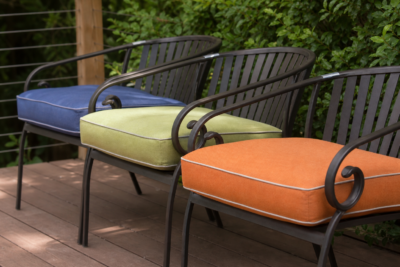
Patio Chair Cushions: The Complete Buying Guide (Outdoor Too)
Everything that decides a patio or outdoor chair cushion — sizes, thickness, ties, fabric tiers and where each buying route wins. Custom from $45 when grids fail.
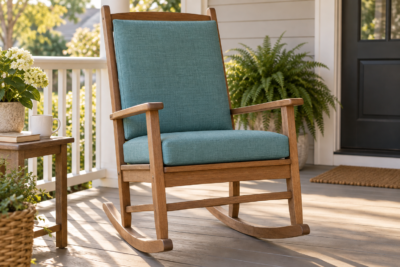
Outdoor Rocking Chair Cushions: The Weatherproof Guide to Sizes and Fabrics
An indoor rocking cushion dies fast on a porch. The sun bleaches the print in a single season, the foam
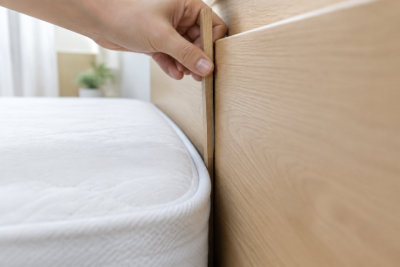
What Size Bed Gap Filler Do I Need? Thickness, Length and Density
Size a bed gap filler from three measurements, not the bed’s name: thickness equals gap width plus half an inch to one, length runs the full seam, height runs platform to mattress top. Density starts at 50D.
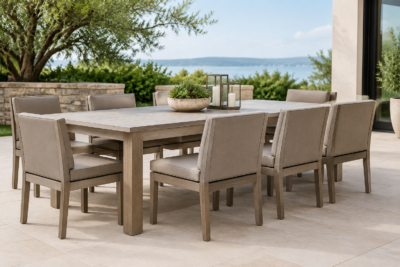
Cushion Thickness & Seat Height: Match the Pad to the Table
Cushion specs usually answer comfort questions. Thickness answers a geometry question: how high off the floor you end up sitting,
Outdoor Furniture Deep Seat Cushions: Fit by Seating Type
“Deep seating” is the label patio makers put on anything with a seat deeper than about twenty inches — and