
OW Lee Classico Replacement Cushions
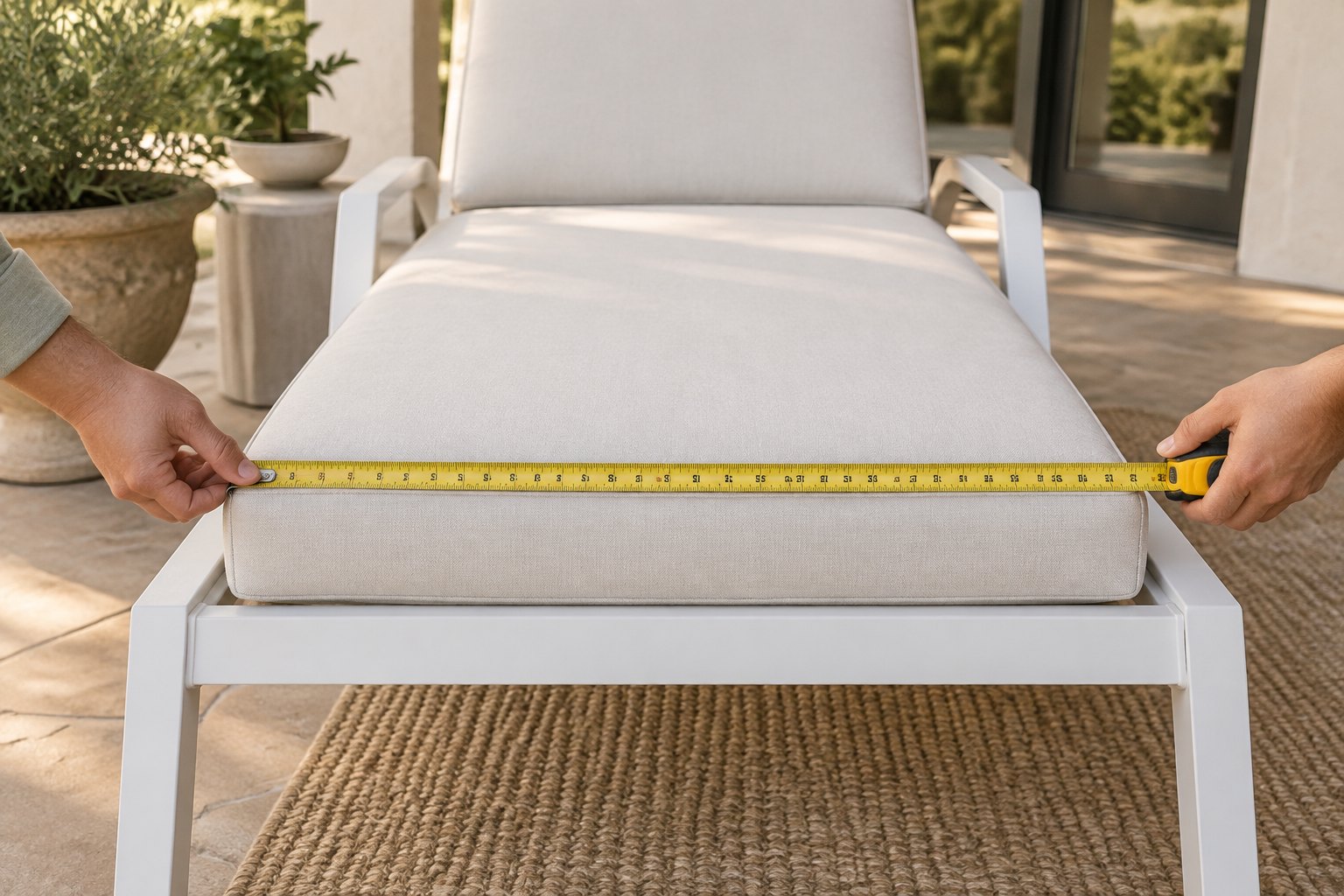
Plenty of Classico frames arrive as inheritances — a set passed down with no paperwork and a brass plaque nobody thought to photograph. Replacements are still straightforward: establish the line from the frame itself, take three dimensions per pad, and order.
Classico essentials
Classico sits among the earlier O.W. Lee catalog names that dealer charts no longer carry — retired company lines like Kensington and Creighton, from the era when the factory’s whole range ran on hand-forged frames finished and upholstered to order. The name itself reads as the traditional-classic end of that catalog; the build behind it is the constant — heavy-gauge steel or aluminum, baked-on finish, sold through dealers nationwide.
Inherited sets still follow the standard route. The cues below establish the line when paperwork is missing, the pad or deck supplies the three numbers, and the Classico rebuild is stitched to your figures — 119 upholstery options at one flat rate, from the workshop that ships.
What the last owner may have skipped: photograph the rail — O.W. Lee fits a brass plaque or a stamped mark to every forged frame; dig for paper — the brand retails through a nationwide dealer body rather than big-box stores, so an invoice or order history spells out the collection; and study the metal — scrollwork done by hand on heavy-gauge frames is the giveaway against imports. Our taping walkthrough bridges from here to numbers.
What marks the Classico out
Start with the metal: Classico-era O.W. Lee pieces carry the company’s traditional vocabulary — worked scroll and vine motifs on seat backs and arms, on frames heavy enough that one chair needs both hands. The finish is a baked-on coating over hand-forged steel or aluminum, not the thin paint on imports.
Lean on the paperwork: Classico was sold through the dealer network on order tickets that named the collection, the finish and the fabric. A dealer invoice, an old quote, or email history with the store that sold the set beats frame-guessing — one search of your records usually settles it.
Don’t confuse it with: other O.W. Lee traditional names from the same catalog era — Kensington and Creighton carry similar scroll vocabulary — and with the many “classico”-styled import lines; the word is furniture-industry shorthand for “classic” and travels on boxes from many factories. The O.W. Lee plaque and dealer paper are the anchors.
Provenance has a shelf life: pads from retired lines surface on the factory-store clearance page in end-of-bolt cloth, dimensions as printed, no re-cuts. For a handed-down Classico set, the rebuild-from-figures route is the one that does not hinge on whatever the clearance shelf happens to hold.
Why you won’t find Classico dimensions
Inherited sets come with the inherited problem: O.W. Lee never published per-line cushion dimensions, and sunset names like Classico are charted nowhere. Numbers floating around dealer listings describe assembled furniture. That is why no size table appears here — the three dimensions you record off each pad are the only specification the rebuild uses.
Heirloom with no plaque and no history? Photograph the frames and send them in — the collection can usually be narrowed from the metalwork, and then three figures per pad bring the order to life.
Get the figures first
The inheritance gets documented now: width, depth and seam thickness, pad by pad, using our measuring guide — one figure set per block, never one for the whole set. Nothing was ever published to copy from, so those entries are the entire specification your Classico rebuild follows.
Closest O.W. Lee neighbors: Heartland and Creighton — retired traditional names from the same catalog era. Find the other O.W. Lee runs on the OW Lee overview page.
Classico: the documented piece list
Classico is the longest retired piece list we cut for — sixteen body styles under one name. The dining side ran arm dining chairs, spring dining chairs, plain dining chairs and three swivel heights (bar stool, counter stool, swivel dining chair). The lounge side ran lounge chairs, a hi-back pillow-back lounge chair, loveseats, sofas, club arm chairs, double chaises, and glider bodies including a settee glider and a glider bench. Sectional blocks came as corner units and double-corner units, and the ottoman program ran from a standard footstool to a large ottoman built for two.
That spread is why “Classico cushions” is the least specific phrase in the brand — the name covers a slim dining pad and a pillow-backed lounge build in the same catalog family. The sorting questions are three: fixed or motion base, dining or lounge height, single block or multi-block piece. Answer those from the frame itself and the order writes itself from the old pads.
Two Classico bodies deserve a flag. The hi-back pillow-back lounge chair takes a taller, softer back block than anything else in the line — measure it as its own animal, not as a standard lounge back. And the settee glider and glider bench ride motion platforms, so the seat depth needs reading at both ends of the stroke, the same rule as Heartland’s gliders; the bench, meanwhile, is one long block measured at both ends because long rails drift out of parallel over the years.
Classico against its neighbors: it shares traditional weight with Cambria and Palazzo, but neither of those lines ran gliders, pillow backs or this many bodies — when a retired piece resists identification, sheer piece-list breadth points here more often than chance. The dealer invoice settles the rest.
What the design was doing
Classico was the catalog’s answer to “one name for the whole property” — dining set, glider on the porch, lounge group by the pool, all in matched scrollwork. Estates furnished that way now face the same wall: mixed orders, many blocks, one fabric choice to hold it together. That is exactly what a measured rebuild is built for — every block from the same figures and the same bolt, in one run, whatever the body style.
Fabric options & estimated pricing
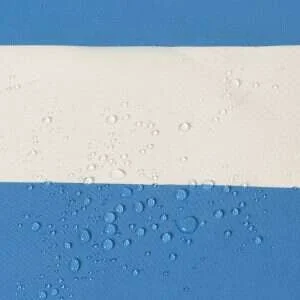
Re-cover the inheritance in any register: cotton linen for the unfussy daily service these frames were made for, tech fabric where the elements press hardest — water-resistant, wipes clean — or premium velvet to dress the hand-me-downs up, cat claws and all. the fabric book at order time: one rate per measured cut, every bolt equal.
Rebuilding the inheritance: $168 starts a typical piece, with size and density grade (35D–65D) doing all the adjusting, fabric none. The final figure stands as checkout states it, and the bench waits for re-confirmed numbers. Zippered covers strip off for the laundry.
Exploring the wider retired lineup? The Cambria line guide covers the crescent-loveseat shapes unique to that series.
Frequently asked questions
Is Classico still serviced with factory pads?
Not as a supported line. Classico has left the catalog; the factory outlet sells what clearance stock remains at listed dimensions, and dealers order customs on 18–20 week tickets. Independent rebuilds start from your tape work, with 119 fabrics in play.
Should I try universal cushions on my Classico set?
The inheritance deserves better odds than that. These decks run deep and specific; universals that match width go wrong in depth or loft, curved fronts have no stock equivalent. Replacements cut from your recorded figures sit as the pieces always did.
How is a Classico set authenticated?
The dealer invoice or original order record names the collection outright — O.W. Lee sold through dealers, not stores. The brass plaque or stamped mark names the maker, and the scroll cues in the chart above narrow it when the paper is gone.
Can my order run on undocumented dimensions?
Yes, and inherited sets make up much of that work. Width, depth and thickness per pad from your tape, verified here against the piece count, then sewn — the specification is whatever you recorded.
What’s a typical Classico order total?
From $168 per typical piece, with size and density grade doing the work (35D–65D) and every fabric at parity. The figure is settled and confirmed ahead of production.
What timeline should I plan around?
Each commission is sewn to order: 4–7 business days on the standard ticket, 3–5 rushed, flat-rate freight at the end. The build is made and shipped in 4-7 business days.
Our side of the order
- A workshop ten-plus years deep — cutting, filling and sewing stay on our own benches; nothing is passed to a broker or a dropship desk.
- The figures inherit an audit — before any bolt opens, the three entries per pad are re-checked against the piece count exactly as you sent them.
- Heirloom or new, nothing comes off a shelf — any material, any piece, runs of one to forty built to order.
- If the rebuild misses tolerance — beyond ±½″, ±¾″ past 36″ — or arrives in the wrong cloth or build, it is remade free of charge.
Inherited Classico? Rebuilds from $168 per piece — identify, document, approve, build.
Provenance still fuzzy? Photos of the frames settle it before the sewing starts. A different inheritance? Any shape, cut fresh — or look through the OW Lee family.