
Seat pads get all the measuring attention, and back pads cause half the returns. A Cavasso back cushion answers to height, not depth; it leans against a frame, not on it; and its width is checked against the seat below it. Get those three habits right and the back half of the order is as simple as the front half.
Back cushions are a different instrument
The mistake arrives with the second dimension. On a seat pad, that figure is depth — front-to-back along the deck. On a back pad, depth is the one dimension that barely exists: a handful of inches of thickness. What the order actually needs is height, the run from the seat surface up the backrest, and owners who autopilot “width, depth, thickness” into the back-cushion field submit a pad that’s been cut sideways against its own frame.
The three back-cushion figures, properly taken:
Width runs across the backrest at its widest — between uprights or arms where the frame wraps, along the flat rail where it doesn’t. If the back pad sits above a seat pad, its width should track the seat’s clear width closely; a back measured several inches wider than the seat below it is usually a misread, and the workshop flags exactly that during verification.
Height runs from the top of the seat surface to wherever the backrest — or your preference — ends the pad. Most owners simply measure the old back pad’s height if it’s intact; if the original is gone, sit in the chair and mark where your shoulder blades want support, then measure to the seat.
Thickness reads at the seam like any pad, but backs live at the softer end of the density scale — they carry leaning weight, not sitting weight, so 35D–45D is the comfortable band here while seats run firmer beneath them.
The measurement guide library photographs both routines pad-type by pad-type. Every figure you enter is re-checked against your piece count before cutting, and the finished build lands inside ±½″ — ±¾″ on dimensions past 36″ — with free remakes when the miss is ours.
The seat-back handshake
One relationship worth a sentence of extra care: the back pad’s bottom edge meets the seat pad’s rear edge, and the pair read as a set when the heights and widths were taken together, on the same chair, in the same session. Sets measured across different weekends — seat figures from July, back figures from October — almost always work, but same-session figures remove the last little risk. On Cavasso conversation sets, remember that a corner piece or an ottoman doesn’t take a back pad at all; order backs only for the pieces that have backrests.
Not every piece in a conversation set takes both pads, and ordering only what the frame actually wears keeps the quote honest. Dining-side chairs usually take a seat pad alone — their backrests are often slatted wood or wicker that was never designed for upholstery. Armchairs and sofas take the pair. Corner pieces in L-shaped runs take a seat plus a back cut to the corner’s width, which is measured along the front edge where the two runs meet, not along the wall behind. Ottomans and coffee-table benches, the parts most often forgotten at order time, take a single square or rectangle figure — and they make excellent first orders for owners testing the process, since one small pad exercises the entire measure-verify-build pipeline on a low-stakes piece. When the set is spread across different piece types, the ledger discipline from earlier pays for itself twice: each row already knows what it is.
Why the tape measure replaces a chart here
Cavasso shipped through Home Depot’s seasonal cycle without a published cushion chart — the recurring condition across this whole index. The dimensional figures visible on retail pages measure furniture and shipping cartons, neither of which was ever a pad. A measured order closes the gap entirely: your figures are the spec, re-verified against the piece count before anything is cut, with the tolerance guarantee standing behind the build. Fabric and foam then run the standard economics — 119 fabrics at one flat price, foam density from 35D to 65D priced per cushion from a $45 make-base, and covers that zip off fully for washing on every single build.
Production occupies 4–7 business days on the standard schedule, 3–5 with a rush flag; shipping runs 3–6 weeks to most US addresses. A full Cavasso refit — seats and backs together — ordered in late winter is seated before the first warm evening.
And the series name, once more
Identification keeps its usual short ladder: the white tag under the seat frame or inside an arm rail (model numbers usually trail a GLD or THD supplier code — photograph it, enlarge it, half-legible tags usually resolve), then your Home Depot account search for “Cavasso,” then the assembly manual. Web searches wander — the name reads like an Italian estate in half its uses — so your own evidence settles the question. Hampton Bay also refreshed series quietly across model years, which is one more reason the pads build to measured figures rather than to a name.
Both trails cold? Frame photos — arm shape, weave, feet — usually name the series the same day, free, before any order exists. Neighboring uncharted lines like Geneva and Laguna run this same route; Kampar holds the charted exception; the Hampton Bay hub indexes everything.
Frequently asked questions
One more distinction that keeps back orders honest: free-standing back pads — the kind that simply lean, unattached — are cut identically to frame-backed ones, but they reward a slightly firmer density because nothing behind them resists a lean. If your Cavasso backs rest against rails rather than solid panels, mention it in the order notes and the workshop will suggest the band that holds its shape without the frame’s help. It is the sort of small detail same-session measuring surfaces naturally, because whoever measured the height also saw what the pad leans against.
My old back pads are 4 inches thick — that’s the depth field, right?
No — that’s the thickness, and it belongs in the third field. The back pad’s second dimension is height, measured up the frame from the seat surface. Depth as a concept barely exists on a back cushion; it’s the few inches of loft you’re already counting as thickness.
Backs wider than their seats — normal or a misread?
Occasionally real, usually a misread. On framed conversation pieces the back pad’s width tracks the seat’s clear width within an inch or two. The workshop verification step flags wider mismatches before cutting — same-session photographs of the tape settle it in one round.
Should back cushions match seat density?
They don’t need to — backs carry lean, not load, so 35D–45D feels right there while seats run 45D–60D for support. Mixed densities within one order cost nothing extra; density is set per cushion.
There’s no Cavasso chart — how do I know my figures are sane?
Two safety nets: the configurator prices from your figures live, and the workshop re-verifies every triple against the piece count before cutting — proportions that don’t hang together draw a question rather than a guess. Tolerance lands within ±½″ (±¾″ past 36″).
Can I order backs only, and seats later?
Yes — no minimums, and both orders run on the same measured route. One note from the workshop floor: same-season fabric runs match best, so if visual continuity matters, batch backs and seats into one order.
What’s the realistic wait?
Production runs 4–7 business days standard, 3–5 rushed; shipping adds 3–6 weeks to most US addresses. Off-season orders make the whole question disappear before patio weather starts.
What this workshop stands behind
- Custom cushion manufacturing, ten-plus years, every order built where it is quoted.
- Back-and-seat figure verification against piece counts ahead of every cut.
- Build-to-order only — 119 fabrics flat-priced, density from 35D to 65D, no minimums.
- ±½″ tolerance guarantee (±¾″ beyond 36″), free remakes on wrong fabric, wrong build, or off-spec cuts.
Cavasso replacement cushions — seats and backs, each measured on its own terms — from a $45 make-base per piece.
Unsure of the name or the numbers? Send photos first — or start from any custom shape / the Hampton Bay index.
Shipping & Delivery
- Orders over $158 ship free — add a second cushion or an upgrade and shipping’s on us.
- Smaller orders ship anywhere in the contiguous US for one simple flat fee — always shown before you pay.
- Made in 7–14 business days. Each cushion is cut and sewn to your measurements after you order, never pulled from a shelf.
- ±½″ tolerance on all custom cuts — and if we cut it wrong, we remake it free. No forms, no fine print.
Have a deadline? Contact us before ordering and we will tell you honestly whether we can meet it.
Related products
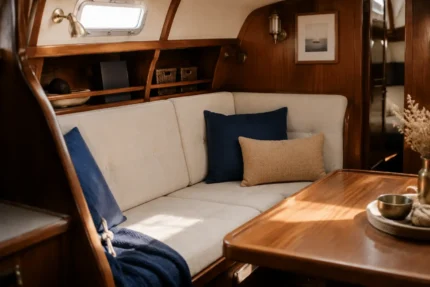
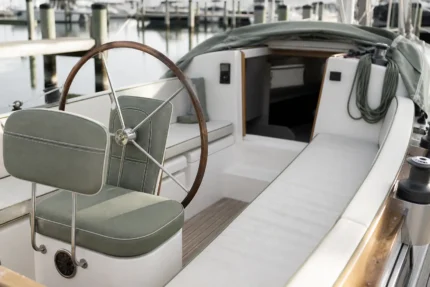
Custom Boat Cushions
- Cut to your exact measurements — berths, settees, dinettes, bolsters.
- 119 performance fabrics at one price — full-sun and quick-dry outdoor lines included.
- One order, one dye lot — every piece in the run ships color-matched.
- Factory-direct from $290 — instant quote in the customizer below.
- ±½″ tolerance, re-checked before cutting — remade free if we cut it wrong.
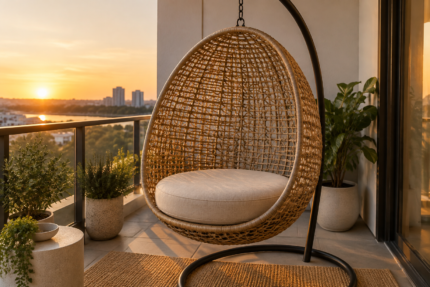
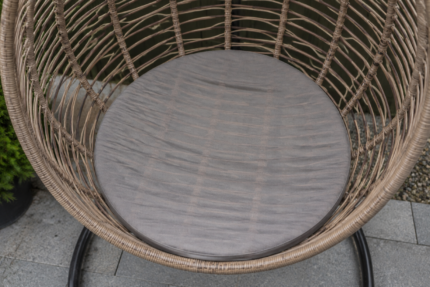
Custom Egg Chair Cushions
- Replacement pads for egg chairs cut to your measurements — any diameter the basket measures, any thickness from 2 to 8 inches.
- Round seat pads from $115 (20 in. × 2 in., 50D); the standard 22 in. × 4 in. rebuild is $144; seat + back sets for hanging egg chairs from $225.
- Four density grades (35–65D) and the full thickness ladder — the spec universal pads never offer.
- All fabric tiers one price: solution-dyed outdoor weaves for balconies and patios, cotton-linen and velvet for indoor nooks.
- Made in 4–7 days at our own cutting tables, ± ½ inch in writing; a piece outside tolerance is remade free.
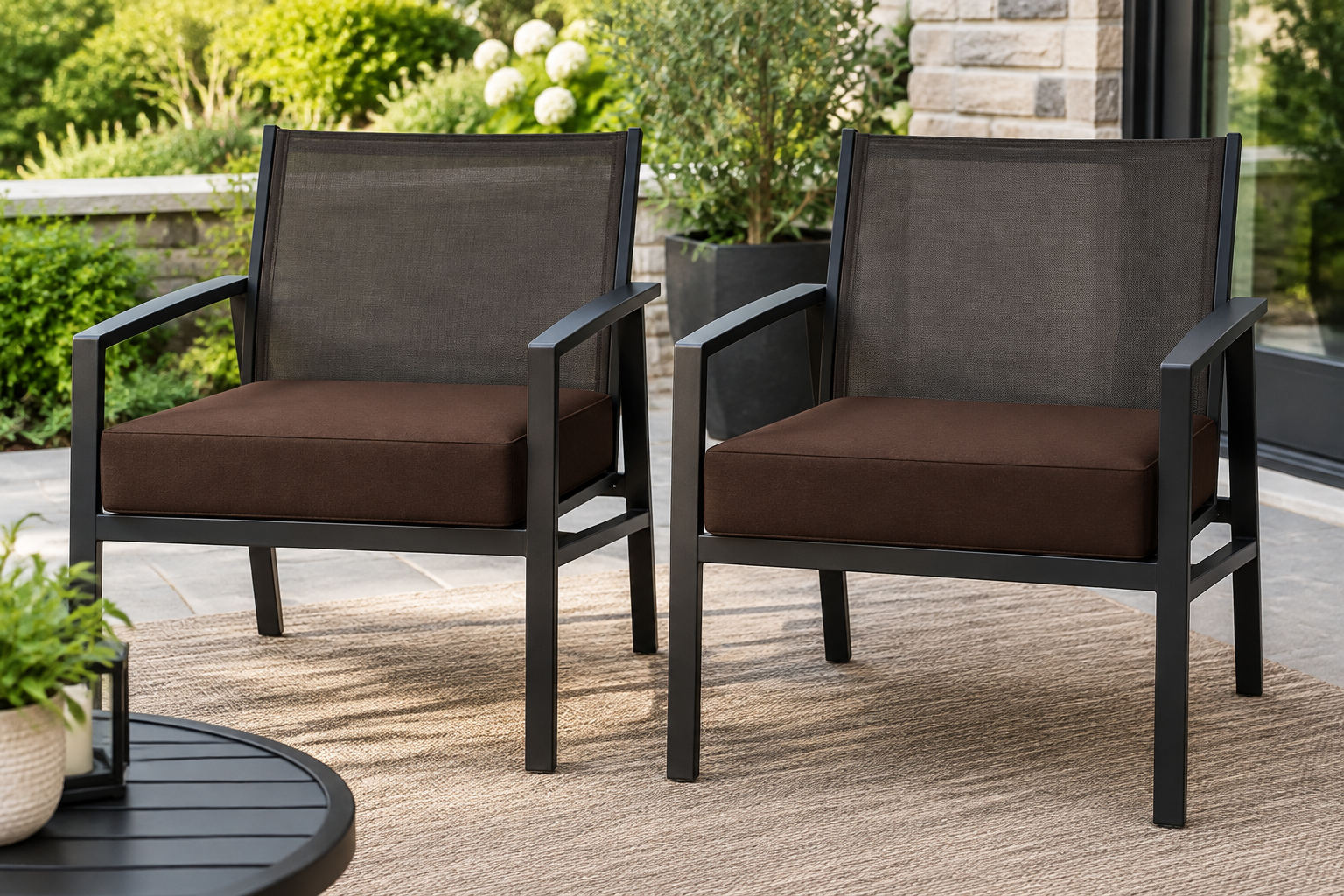
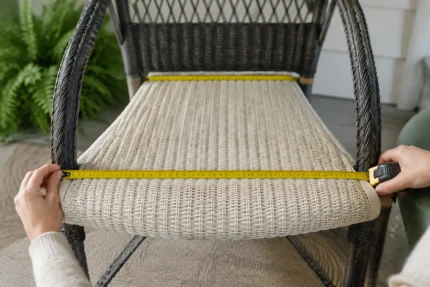
Custom Outdoor Seat Cushions
- Cut to your exact measurements — wicker, wrought iron, wood and lawn frames, any seat deck.
- 119 performance fabrics at one price — full-sun and quick-dry outdoor lines included.
- One order, one dye lot — every piece in the run ships color-matched.
- Factory-direct from $113 — instant quote in the customizer below.
- ±½″ tolerance, re-checked before cutting — remade free if we cut it wrong.
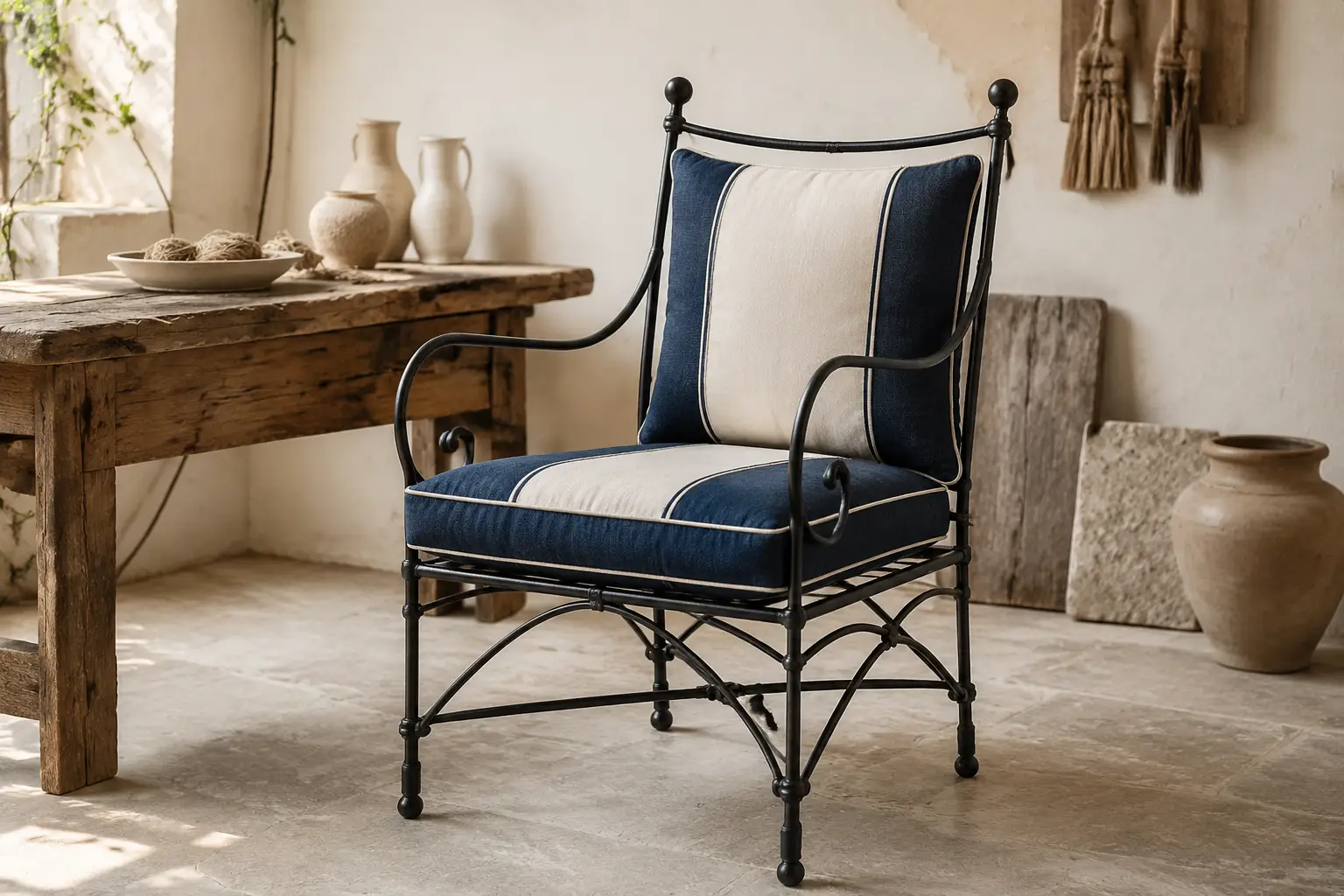
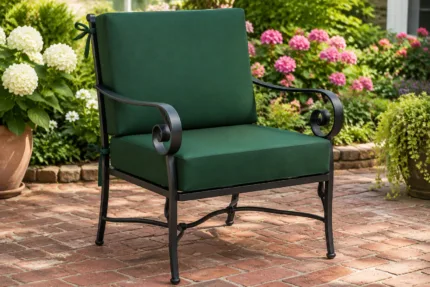
Custom Wrought Iron Chair Cushions
- Cut to your exact measurements — curved backs, scroll arms, vintage frames.
- 119 performance fabrics at one price — full-sun and quick-dry outdoor lines included.
- One order, one dye lot — every piece in the run ships color-matched.
- Factory-direct from USD 103 — instant quote in the customizer below.
- ±½″ tolerance, re-checked before cutting — remade free if we cut it wrong.