
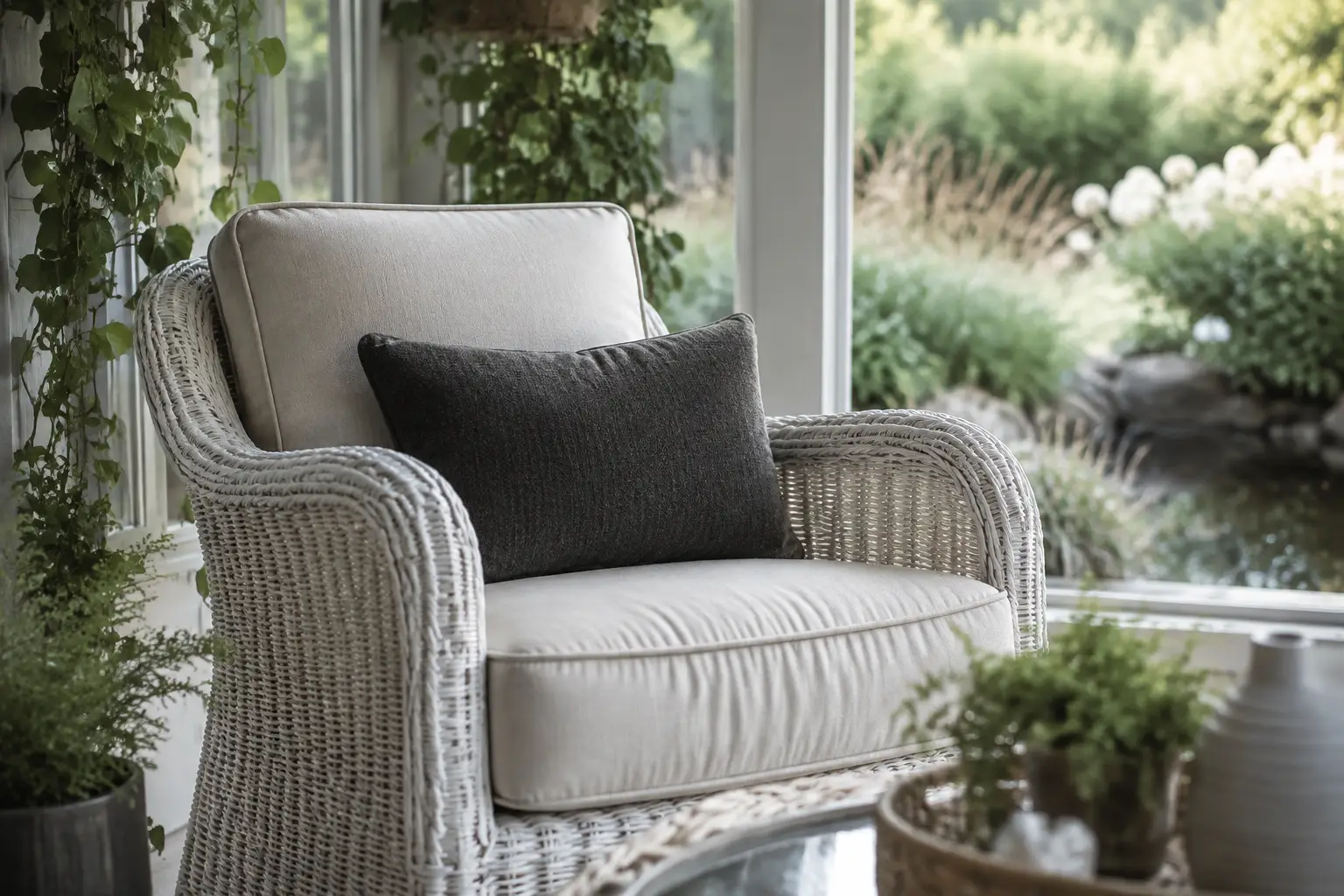
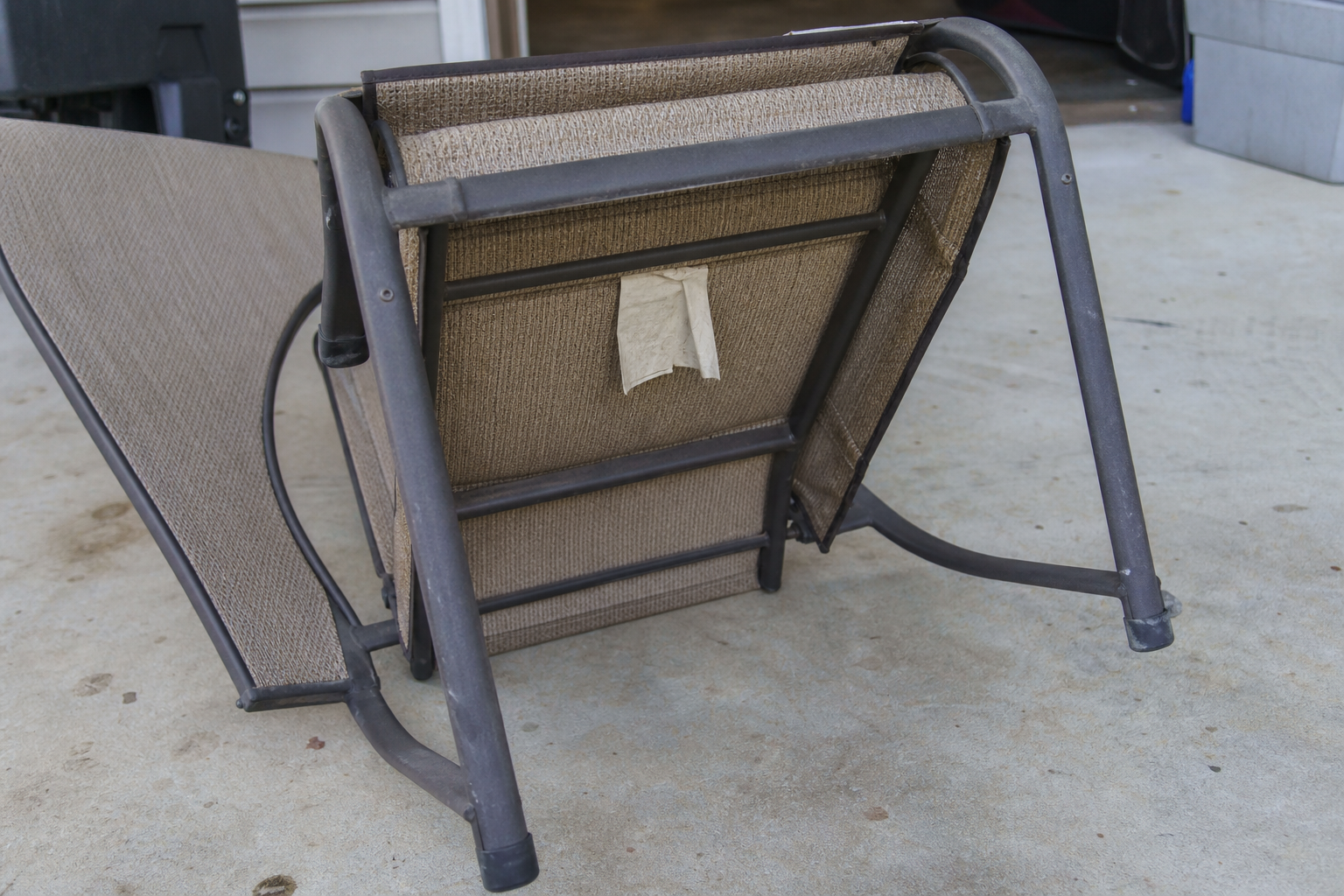
That Belcourt seat didn’t get uncomfortable overnight. Foam ages on a curve — imperceptibly for seasons, then all at once — and by the time you feel the frame through the pad, the original cushion cores have been running on fumes for a year. Here’s what wore out, and how the rebuild fixes it for the long run.
Why patio foam dies in stages
Cushion foam loses life through two separate mechanisms, and they run at different speeds. The slow one is compression fatigue: every sitting cycle pushes air out of the cells, and over thousands of cycles the cell walls slowly lose their snap, so the pad recovers a little less each season. The fast one is hydrolysis — moisture and humidity quietly breaking the foam’s polymer structure from within, which is why pads on humid-climate decks can age faster than their sun-exposed cousins even when they look fine.
Boxed-set furniture like the Belcourt line shipped with mid-grade foam tuned to a retail price point, not to a decade of service. Typical pattern: three to five years of honest comfort, two more of visible flattening, then a final season where the pad becomes upholstery over wood. Covers usually outlast the cores on the way down — fabric fades but holds, foam collapses quietly underneath.
The diagnostic takes ten seconds. Press a flat palm into the seat and count the seconds to full recovery. Fresh foam springs back before you can say “two”; tired foam takes three seconds or more and leaves a shadow. Both seats of a set usually age together, so if one chair fails the palm test, plan for the whole run — replacing pads piecemeal over two seasons means living on mismatched heights in between.
Density is the clock you set for round two
When we rebuild a Belcourt set, the density selection is effectively choosing the next lifespan. Every cushion starts at a $45 make-base, and density moves the price in openly displayed steps across the 35D–65D range:
A practical split many Belcourt owners land on: firmer cores in the seat pads where the load sits, softer cores in the back pads where comfort rules. The configurator takes density per cushion, so mixed assignments cost nothing extra to set up. And whatever the selection, all 119 fabrics price flat over it — durability upgrades land in the foam, not the invoice line for cover cloth.
Read as a timeline, the average boxed-set cushion run looks something like this: year one, everything behaves; year two, seat pans soften noticeably in the first ten minutes of each sit — the “breaking in” phase owners actually enjoy; year three, morning recovery slows and the pads start holding body prints past lunch; year four, the frame announces itself through thin spots and the mismatch between seat heights across the set becomes visible; year five and beyond is negotiation between sentiment and physics. Where your Belcourt set sits on that arc determines urgency, not the calendar — a sheltered, occasionally used set can ride year three comfortably for two more seasons, while a daily-use set in humid climate is already late by year four.
Sizing the replacements without a chart
Belcourt was never given a published cushion chart — the series moved through Home Depot as seasonal boxed sets, and its pad dimensions stayed internal. The numbers that surface on retail pages are furniture and carton sizes, which won’t build you a pad. Your own three figures will: seating width between the arms, depth along the flat deck front-to-back, and thickness at the seam — per pad, seats and backs counted separately.
One aging-specific tip: if you measure the collapsed original, expect it to read thinner than the pad you want. Fatigued foam sits a half to a full inch below its youthful loft. Where the old pad has clearly compressed, measure the deck depth and add the loft you remember, or check the measurement guides for the corrected method. The workshop re-verifies every submitted figure against the piece count before cutting, and the finished build is guaranteed within ±½″ (±¾″ beyond 36″) — misses on our side get remade free.
Putting a name to the frame
Series confirmation stays useful even on a measured order — mostly so you order once, with confidence. The white tag under a seat frame or inside an arm rail carries a model number usually prefixed GLD or THD; a phone macro shot rescues half-faded tags. Your Home Depot account search for “Belcourt” settles it outright when the tag is gone, and the original assembly manual names the series on its cover.
Belcourt is also a hotel and a vineyard name in various corners of the country, so open-web searches wander before they help — your paperwork is the authority. And because Hampton Bay carried the series across model years with small running changes, two chairs sold under the same name in different years can take slightly different pads, which the measured route absorbs automatically.
Can’t pin the name? Frame photos — arm profile, weave, feet — usually resolve it same-day, before you commit to anything.
Costs, timelines, and ordering either end of a set
Pricing per cushion runs from the $45 make-base upward with size and density — visible line by line in the configurator, confirmed before any cutting starts. Production occupies 4–7 business days on the standard schedule, 3–5 with a rush flag, and shipping to most US addresses runs 3–6 weeks door to door. A winter order reliably beats the first warm weekend.
Full-set refits batch into one quote; single-pad replacements carry no minimum and no penalty — useful when only one chair lived under the tree. Same fabrics, same density choices, same guarantee either way.

Neighboring uncharted lines like Hampshire and Walnut Creek take the same measured route. Kampar owners get a charted page; the Hampton Bay hub indexes all series.
Frequently asked questions
My Belcourt pads are six years old and flat — replace foam or whole cushions?
If the covers are sound, a full rebuild at your chosen density is the efficient move — fresh cores plus fresh washable covers in the fabric of your choice, sized to your measured figures. Covers that have already split at the seams or lost their zippers come along for the rebuild anyway.
What density holds up to everyday use?
The 55D–65D band is the endurance pick for daily seating; 45D–50D carries weekend duty for years with a softer feel. Back cushions can drop a band for comfort without costing lifespan, since they carry far less load.
Do I need to know the series name to order?
The order runs on measurements — width, depth, thickness per pad — not on the name. Identifying the Belcourt line mainly guards against ordering for the wrong frame, and workshop photo-checks settle uncertain cases before money moves.
How much firmer will 65D feel than the originals?
Noticeably firmer — boxed-set originals typically shipped around the low-40s. Owners upgrading to 60D+ for daily-use seats usually describe the first week as “restaurant-firm” before it settles into their new normal, and the lifespan benefit compounds from there.
Are the new covers machine-washable?
Every cover zips off entirely and machine-washes on gentle — standard construction across the whole catalog. Keeping covers clean is half of what keeps the new foam young.
When should I place the order for a summer-ready set?
With 4–7 business days of production (3–5 rushed) plus 3–6 weeks of transit, an order placed from Valentine’s Day through March lands with comfortable margin before patio season; April orders still make Memorial Day with the rush flag.
What the workshop guarantees
- Custom cushion manufacturing, ten-plus years, all cutting filling and sewing under one roof.
- Submitted measurements re-checked against piece counts before the first cut — odd figures draw a question, not a guess.
- Build-to-order only: no stock decay, no stale foam, any of 119 fabrics at one flat price.
- Tolerance guarantee of ±½″ (±¾″ beyond 36″), with free remakes for wrong fabric or wrong build as well.
Belcourt replacement cushions with the density chosen for the decade, not the season — each piece from a $45 make-base.
Not sure it’s a Belcourt, or not sure which number goes where? Send photos first — or start from any custom shape / the series index.
Shipping & Delivery
- Orders over $158 ship free — add a second cushion or an upgrade and shipping’s on us.
- Smaller orders ship anywhere in the contiguous US for one simple flat fee — always shown before you pay.
- Made in 7–14 business days. Each cushion is cut and sewn to your measurements after you order, never pulled from a shelf.
- ±½″ tolerance on all custom cuts — and if we cut it wrong, we remake it free. No forms, no fine print.
Have a deadline? Contact us before ordering and we will tell you honestly whether we can meet it.
Related products
Custom Bar Stool Cushions
- Cut to your exact measurements — rounds, squares, saddles, sets of any size.
- 119 performance fabrics at one price — full-sun and quick-dry outdoor lines included.
- One order, one dye lot — every piece in the run ships color-matched.
- Factory-direct from $74 — instant quote in the customizer below.
- ±½″ tolerance, re-checked before cutting — remade free if we cut it wrong.
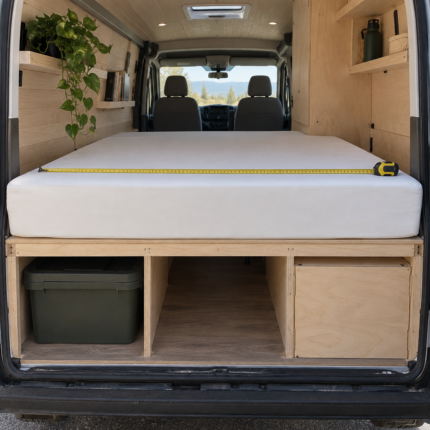
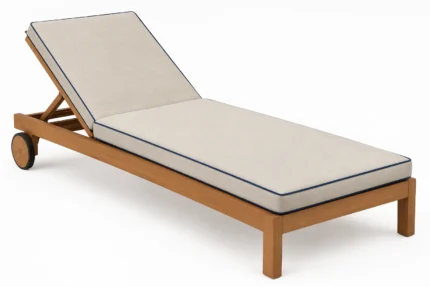
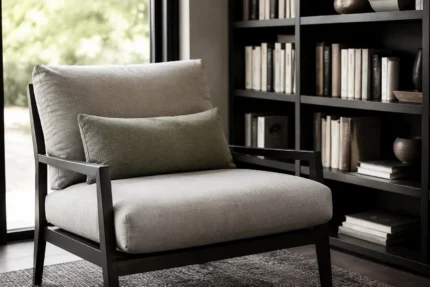
Custom Lounge Chair Cushions
- Cut to your exact measurements — indoor loungers, patio loungers, any frame.
- 119 performance fabrics at one price — full-sun and quick-dry outdoor lines included.
- One order, one dye lot — every piece in the run ships color-matched.
- Factory-direct from $336 — instant quote in the customizer below.
- ±½″ tolerance, re-checked before cutting — remade free if we cut it wrong.
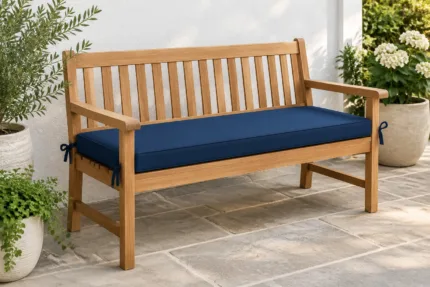
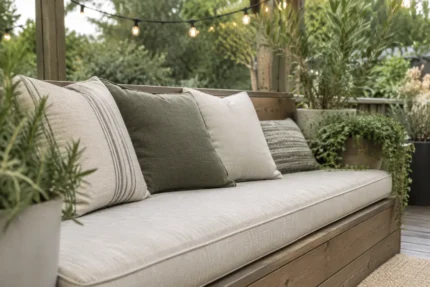
Custom Outdoor Bench Cushions
- Cut to your exact measurements — patio, garden and deck benches.
- 119 performance fabrics at one price — full-sun and quick-dry outdoor lines included.
- One order, one dye lot — every piece in the run ships color-matched.
- Factory-direct from $130 — instant quote in the customizer below.
- ±½″ tolerance, re-checked before cutting — remade free if we cut it wrong.