
There is a moment in most families when the patio quietly changes jobs. The Lemon Grove set stops being where the household entertains and becomes where a parent or grandparent sits every morning, drinks coffee, and watches the yard. Nothing is announced. But the seat height starts to matter more than it did, the coffee lands on fabric more often, and the cushion decisions that were once purely about looks become decisions about dignity, safety, and how much work anyone wants to do on laundry day.
Contrast is the quiet safety feature
Vision changes with age in ways that barely register indoors and matter a great deal outdoors: reduced contrast sensitivity, less light reaching the retina, and depth edges that blur together in low morning or evening light. A cushion the same tone as the deck beneath it does not read as a seat to an aging eye — it reads as continuous ground, and the sit becomes a judgment call rather than a reflex. Care environments have used high-contrast seating for years precisely for this reason: the seat edge should announce itself.
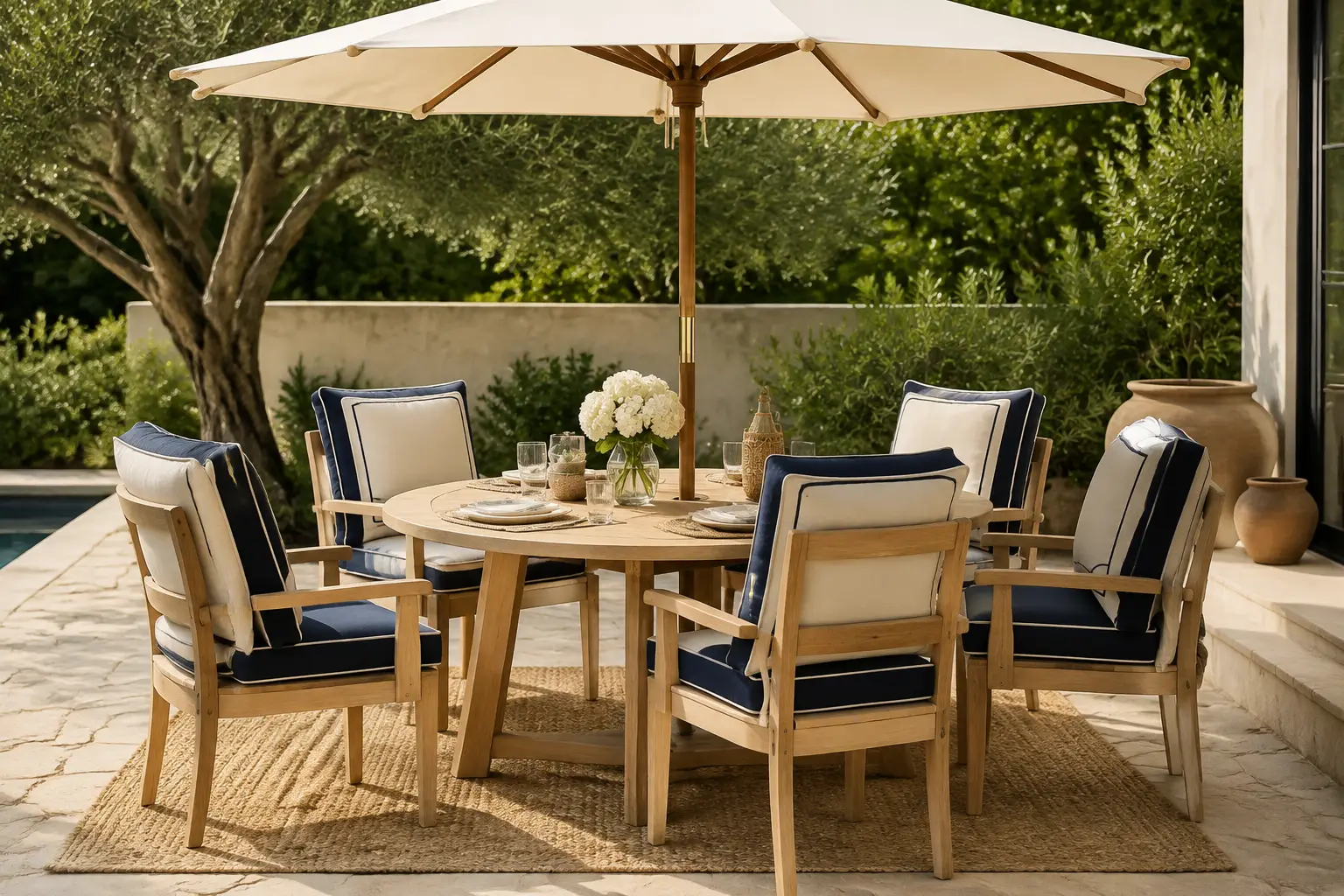
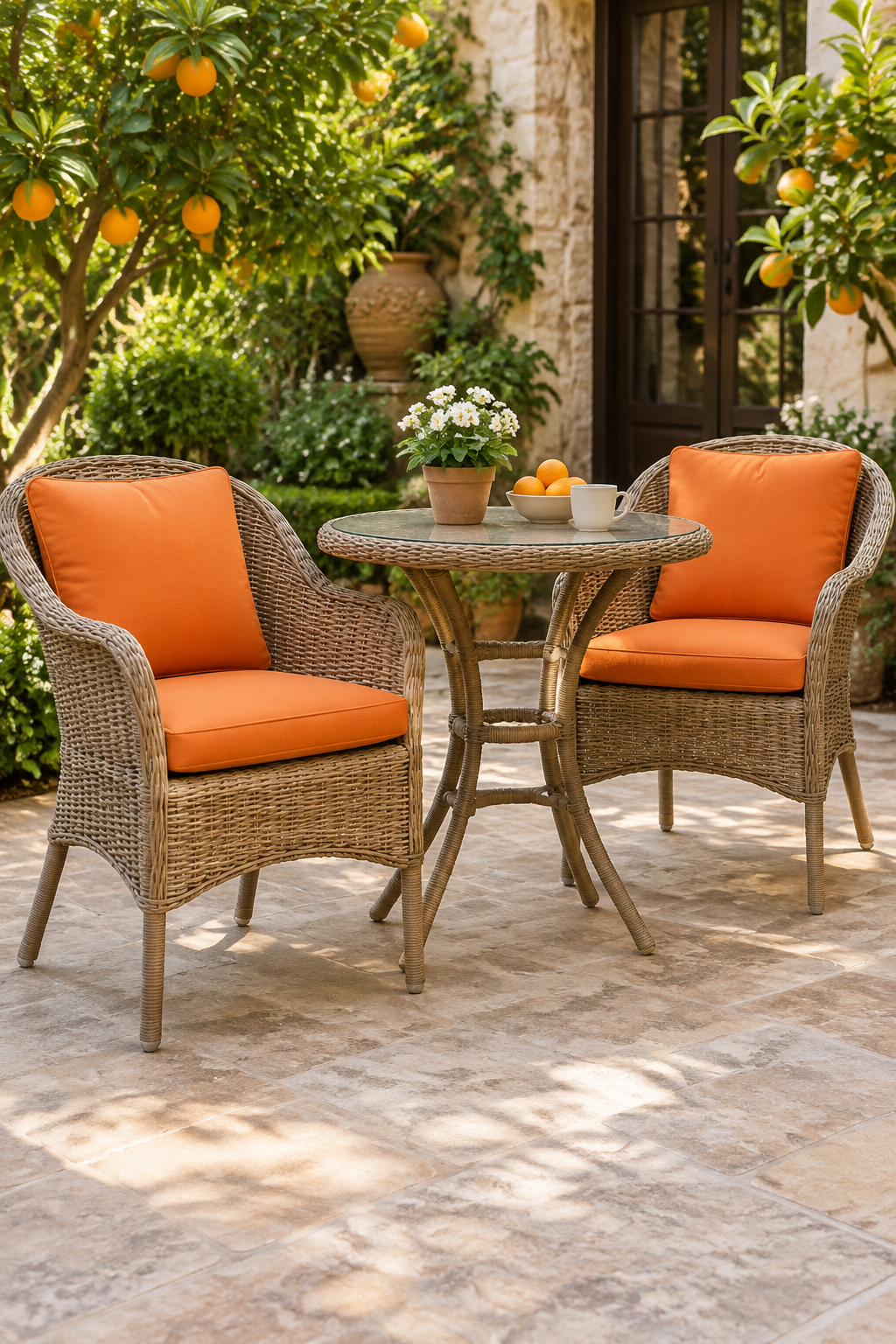
Practically, that means the cushion top wants several shades of difference from everything around it — the deck, the frame, the patio floor. A warm caramel against gray slats, a deep teal against pale concrete, even a crisp cream against dark wicker does the job. Pattern helps more than most people expect: a stripe along the front edge marks where the seat ends better than any solid, because the eye tracks the line. None of this needs to look clinical. The palette of contrast — butterscotch, rust, deep green, navy against light surroundings — is simply good outdoor design with an extra justification behind it.
Extend the thinking one step further and the whole seating area gets safer: contrast between chair cushions and the table edge, a cushion color that separates from surrounding planting, and back-rests that stand out against the fence behind them. The goal is a patio where every place to sit is findable at a glance, in the half-light hours when the yard is actually used.
Fabric that shrinks the chore list
Daily-use cushions live or die by how much standing at the sink they generate. Three fabric behaviors earn their keep when the same person both uses and maintains the seating:
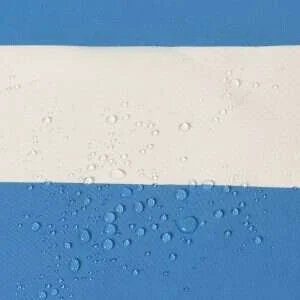
- Wipe-clean performance weaves. Solution-dyed outdoor fabrics let coffee, soup, and most lunch mishaps sit on the surface for a while; a damp cloth takes them off without a washer cycle. For a set used every day, this single trait removes most of the laundry.
- Colors that forgive. Mid-tones and patterned weaves make the inevitable drip disappear into the design; the pale solid that looks beautiful in the swatch book looks like an incident log by August.
- Covers that fully unzip. Every CushionMill cover comes off the foam entirely for machine washing — no sewn-shut tier, no hand-wash-only constructions — so the deep clean, when it is wanted, is one zipper and one cycle rather than an afternoon.
Texture deserves a word too. Some performance weaves feel like upholstery-sized sandpaper; others, especially the brushed outdoor velvets, keep a soft hand that a person spending three hours a morning in the chair will notice. If the set is destined for bare arms and long mornings, order the swatch — the hand of the fabric is the part no photograph conveys.
Support: density and the getting-up problem
The underrated cushion variable for older sitters is what the foam does during the last two seconds of a sit — the stand. Compressed, tired foam sinks the seat low and gives the knees nothing to push against; firmer, higher-density foam holds the sitting height, so the hips start where they expected to and the legs do less rescue work. For a set whose primary user mentions knees at all, the working recommendation is straightforward: seats in the neighborhood of 60D within the menu’s 35D to 65D range, back-rests around 50D for a supportive lean without a board-like feel.
Thickness teams up with density here: a slightly firmer, slightly slimmer pad often sits better than a thick soft one, because it keeps the seat height predictable while holding its shape through months of the same two chairs being used. This is one of the practical advantages of cut-to-measure rebuilding — the old pads’ tired geometry gets replaced by numbers chosen for the person actually sitting, not numbers inherited from whoever styled the set in the showroom.
Identifying the set before it is rebuilt
Lemon Grove is one of the Hampton Bay lines the bench tracks without an official cushion chart — known from retail listings and owner reports, dimensions never formally published. Naming your set usually takes minutes: the white tag under a seat frame pairs the model number with a GLD or THD supplier prefix; Home Depot order history or the assembly leaflet does the same; and where both are gone, photos of the frames sent to the workshop narrow the era. Because identically named sets across model years can carry different lofts, the figures that actually drive the cut are the three you measure per cushion — width, depth, thickness at the seam — per the measuring guides, not the series name on the tag.
Choosing cloth without paying for it
Adaptation-friendly fabric is not a premium category here: every cushion starts from a $45 make-base, and only finished size plus density — selected across 35D to 65D — change the figure. All 119 cloths price identically at a given size, which means the high-contrast rust that reads so well against gray decking costs the same as the pale solid it replaces. That flat structure suits this particular renovation: contrast stripes for the chairs, a quieter weave for the bench under the tree, one wipe-clean cloth wherever the coffee arm rests — all one price list, no per-fabric penalty for thinking carefully.
Neighboring uncharted lines: Layton Pointe and Niles Park. A charted series for comparison lives on the Melbourne page, and the Hampton Bay index covers every line the workshop follows.
Frequently asked questions
What fabric colors work best for aging eyes?
Ones that stand several shades apart from the deck, frame, and planting around them — warm caramel, rust, deep teal, navy against light ground. A stripe along the seat’s front edge helps most of all, because the eye reads the line as the seat’s end. The aim is seating that is findable at a glance in early and late light.
Which fabrics cut down on washing for daily use?
Solution-dyed performance weaves: spills bead long enough for a damp cloth, so the washer stays out of the weekly routine. When a real wash is wanted, covers unzip completely off the foam for the machine — that full-removal design is standard on everything this bench builds.
What density helps someone who struggles to stand?
Firmer foam that holds its height: seats near 60D and back-rests near 50D, within the 35D to 65D menu. Foam that keeps the sitting height means knees start the stand from where they expect — tired, over-soft foam quietly lowers the seat every month and makes each exit harder.
Should the cushion be thinner for easier standing?
Sometimes, yes — a modestly slimmer, firmer pad keeps the seat both stable and lower to start with. Thickness is one of the three measurements you control at order, so the geometry can be set to the person rather than inherited from the worn-out set.
Can I feel the fabric before committing?
Yes — ask the desk for swatches of your shortlist. Photographs carry color well but not hand, and for a chair someone occupies three hours a morning, the weave’s feel under a bare arm is worth checking first.
What does an adaptive rebuild cost and how long does it take?
Each piece opens at $45 and moves only with size and density; all 119 fabrics are flat-priced. Production runs 4 to 7 business days standard, 3 to 5 rushed, and freight adds 3 to 6 weeks — so a summer of easier mornings wants an order placed in spring, not on the first hot weekend.
What ordering from this bench gets you
- One workshop for the whole build — cutting, filling, sewing under one roof, the same hands for more than ten years.
- Every set of figures checked against the piece count before cloth is cut; anything odd draws a question instead of a guess.
- No minimum order — one morning chair or the entire seating area, in whichever of the 119 fabrics suits each position.
- Clear remake terms: cuts off by more than ±½″ (±¾″ above 36″), or the wrong cloth or build, remade without charge.
Lemon Grove replacement cushions re-thought for the person who uses them daily — contrast the eye can find, fabric the cloth can clean, foam the knees can trust.
Describing seating for a parent and want the choices sanity-checked? Tell the bench the situation and we will suggest contrast pairings. Not a Lemon Grove? Any frame, built to your numbers — or see the Hampton Bay catalog for the full index.
Shipping & Delivery
- Orders over $158 ship free — add a second cushion or an upgrade and shipping’s on us.
- Smaller orders ship anywhere in the contiguous US for one simple flat fee — always shown before you pay.
- Made in 7–14 business days. Each cushion is cut and sewn to your measurements after you order, never pulled from a shelf.
- ±½″ tolerance on all custom cuts — and if we cut it wrong, we remake it free. No forms, no fine print.
Have a deadline? Contact us before ordering and we will tell you honestly whether we can meet it.
Related products
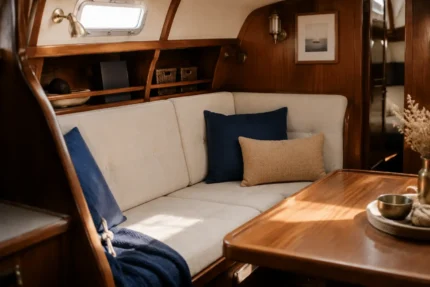
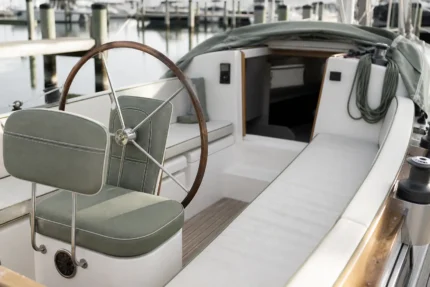
Custom Boat Cushions
- Cut to your exact measurements — berths, settees, dinettes, bolsters.
- 119 performance fabrics at one price — full-sun and quick-dry outdoor lines included.
- One order, one dye lot — every piece in the run ships color-matched.
- Factory-direct from $290 — instant quote in the customizer below.
- ±½″ tolerance, re-checked before cutting — remade free if we cut it wrong.
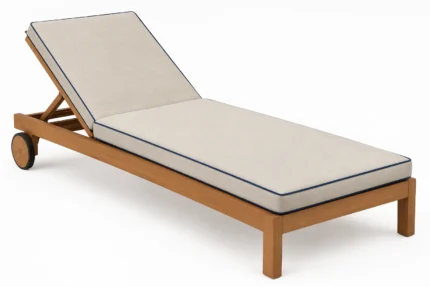
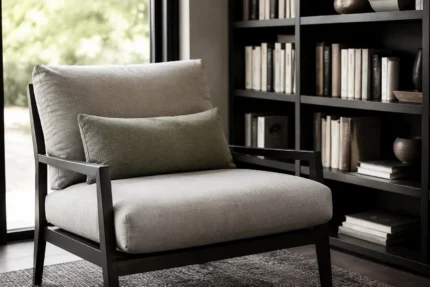
Custom Lounge Chair Cushions
- Cut to your exact measurements — indoor loungers, patio loungers, any frame.
- 119 performance fabrics at one price — full-sun and quick-dry outdoor lines included.
- One order, one dye lot — every piece in the run ships color-matched.
- Factory-direct from $336 — instant quote in the customizer below.
- ±½″ tolerance, re-checked before cutting — remade free if we cut it wrong.
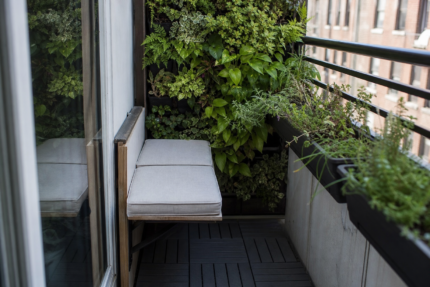
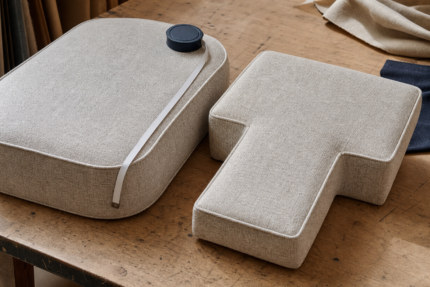
Custom Patio Cushions
- Cut to your exact measurements — dining chairs, deep seating, benches, chaises and swings, any shape.
- 119 performance fabrics at one price — full-sun and quick-dry outdoor lines included.
- One order, one dye lot — the whole patio set ships color-matched.
- Factory-direct from $88 — instant quote in the customizer below.
- ±½″ tolerance, re-checked before cutting — remade free if we cut it wrong.
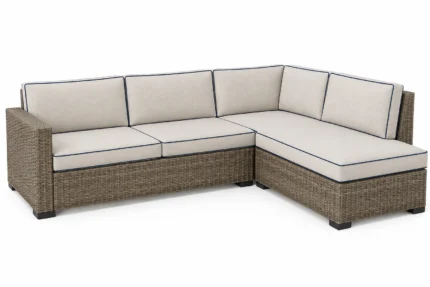
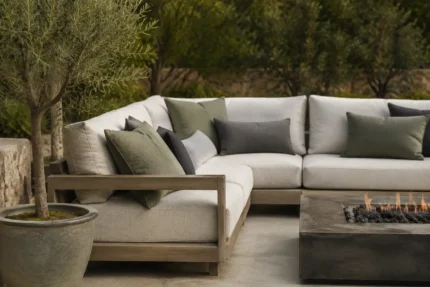
Custom Sectional Cushions
- Cut to your exact measurements — seats, corners, chaise ends, backs.
- 119 performance fabrics at one price — full-sun and quick-dry outdoor lines included.
- One order, one dye lot — every piece in the run ships color-matched.
- Factory-direct from $162 — instant quote in the customizer below.
- ±½″ tolerance, re-checked before cutting — remade free if we cut it wrong.