
27" x 27" Outdoor Cushions – Custom Made to Your Exact Size
Cut to your measurements — width, depth, and thickness — not to a stock chart. Factory-direct, no minimums.
Twenty-seven square is deep-seating’s in-between — bigger than the 26 that ends most stock runs, smaller than the 28 oversized module. Frames that ask for it are usually higher-end or older production, which means replacement pads dried up years ago. That’s the moment custom cutting stops being a compromise and becomes the only sensible option.
We cut every 27 x 27 outdoor cushion to the measurements you send — width, depth, thickness — sewn to the quarter inch. Five inches is the deep-seating standard; 6″ builds lounge-level depth. Fabric tiers run Tech Fabric, our leather-like waterproof weave that wipes clean — the outdoor workhorse; Cotton Linen, a durable everyday weave for covered patios and indoors; and Premium Velvet, plush claw-resistant velvet for indoor luxury. Foam density upgrades are worth it on a square this size — daily-use seating bottoms out standard foam first.
Pricing — estimated starting at
| Fabric tier | Estimated price* |
|---|---|
| Cotton Linen | $136 |
| Tech Fabric | $169 |
| Premium Velvet | $212 |
*One cushion, 27 × 27 in. (5.06 sq ft top surface): $39 make-base + 5.06 sq ft × fabric rate ($19.0/sq ft, $25.5/sq ft, $34.0/sq ft). Thickness, foam density, and the sewn closure is confirmed at checkout — and every dimension is confirmed with you before we cut.
For comparison: U.S. custom-configurator specialists’ 2026 listings for made-to-order cushions in common sizes (16×16 through 24×24) run roughly $71–$119 before shipping — and most only reveal that price after a quote request. We publish the formula above so you can check the math before you order.
Fits these furniture series
Factory-original cushions measured within 1¼″ of 27 × 27 — oversized and sectional territory. If your set is listed, click through for the full piece-by-piece chart.
| Series | Piece | Part | Factory size (W × D × T) |
|---|---|---|---|
| Mill Valley (Hampton Bay) | Corner / Center Wedge | Seat | 27 × 27 × 6 in. |
| Cedar Island (Martha Stewart) | Chaise Lounge | Back | 26 × 26.5 × 5 in. |
| Laurel Oaks (Hampton Bay) | Chaise Lounge | Back | 26 × 27.25 × 6.25 in. |
| Woodbury (Hampton Bay) | Loveseat | Seat | 26 × 25.5 × 5 in. |
Oversized frames from no-name imports are common at this size — the wedge-shaped corner is the piece worth sketching before ordering.
How to measure a 27 x 27 cushion
- Old cushion flat on a table: width edge to edge, depth front to back, thickness seam to seam — never squeezed.
- No old cushion? Measure the seat deck between the frame rails and arms, and send the raw numbers rather than rounding.
- Photograph the label under the frame first — a model number can match you to a documented series chart in seconds.
Full walkthrough with photos: How to Measure (and Identify) Your Cushions.
More measuring help: How to measure radius corners · 9 cushion measurement mistakes that cause remakes
Thickness and density at 27 x 27
Twenty-seven inch squares are oversized-lounge geometry: deep-seating decks, wide swivel frames, sectional corner modules. At this scale thickness is comfort engineering — 5 inches is the deep-seating standard that lets a sitter sink without bottoming out, 6 inches is daybed-level plush, and above 6 the foam wants vent channels, which we flag at confirmation rather than surprise you with. Below 4.5 inches, a pad this wide will dish between the seams long before the cover wears.
Density matters double at width: a 27-inch span bridges more frame than a dining pad ever sees, and light foam sags into the gap. 50D is the honest minimum for daily lounging; 60D earns its price on frames that host naps. All four grades, 35D–65D, are confirmed with your dimensions before cutting.
Fabric Options at 27 x 27
A 27 x 27 pad is usually the most-exposed cushion on the patio — horizontal, full-sun, hours of occupancy. Tech Fabric is the workhorse answer: waterproof, wipe-clean, unfazed by pool chemistry. Cotton Linen belongs under cover; Premium Velvet belongs indoors. For buyers comparing against Sunbrella-grade performance tiers, the honest tier-by-tier comparison — including what solution-dyeing actually buys in fade life — is in the outdoor fabric guide.
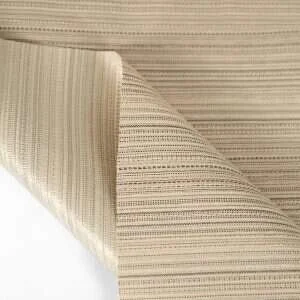
Striped Canvas · Light brown
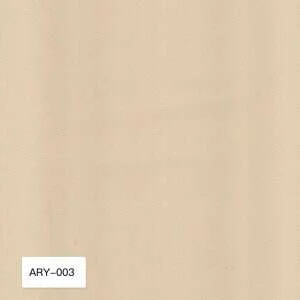
Premium Olefin · Beige
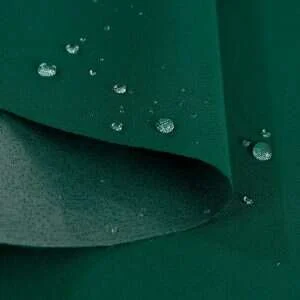
Premium Olefin · Deep green
From the 119-fabric swatch library — free samples ship with every quote.
Frequently asked questions
Why can't I find 27 x 27 cushions anywhere?
Because stock programs stop at 26. Your frame was cut to 27 by a factory that expected you to reorder from it — we cut to the frame instead.
Should I round 27 down to 26?
Never — an inch of gap on a square pad shows at every corner. Order 27, or better, your exact measurement: 26.75 and 27.25 cost the same.
Is this size good for sectionals?
Yes — 27 x 27 modules run on wider sectionals and oversized lounge chairs. Order multiples from one fabric lot so the modules match.
Which furniture series use a 27 x 27 cushion?
The measured library holds several near squares at this size — Mill Valley’s 27 × 27 sectional wedge is the exact hit, and Cedar Island, Woodbury and Laurel Oaks pieces sit within 1¼ inches (table below). Sectional owners should also count modules before ordering: corners and wedges are their own pieces, not extra seats.
Should I order 27 x 27 pieces one at a time?
Order matched sets in one run — adjacent new and old pads differ visibly in loft, and fabric ordered later will not match the first dye lot. If budget forces staging, replace in symmetry pairs (the two lounge chairs before the corner) so the mismatch never sits side by side.
Why do 27 x 27 cushions cost the same as smaller squares?
Because the formula prices area, not rarity: $39 make-base plus square footage at the fabric tier’s rate. A 27-inch square costs more than a 24 only because it is more square feet — the “unusual size” premium you would pay in the retail world does not exist where nothing is stocked and everything is cut to order.
Rare sizes, straight answers
Twenty-seven is among the rarest squares we cut, and rarity has a texture worth naming. Frames that ask for it were higher-end or older production — lines whose replacement pads dried up years before the furniture tired — which means 27-inch buyers are usually the set’s second or third owner, working without labels, manuals, or any parts channel. The honest position: nobody stocks your size, no chart at a store will name your frame, and the number on your tape measure is the only specification that ever mattered.
That is less bleak than it sounds. Custom cutting treats 27 the same as 24 — same formula, same fabrics, same quarter-inch confirmation before the knife — and decimals are the norm here rather than the exception: 26.75, 27, 27.25 all price identically, and the measured entry is the one that fits. If the frame’s label survives anywhere, the replacement library may already hold its chart; if it does not, your tape measure is the chart.
Thickness at 27 x 27
Oversized squares want the deep-seating ladder applied honestly. Five inches restores what the frame was built around; six builds lounge-level plush — check the arm rails, which sit lower as the seat rises; four belongs on dining-scale width that happens to run square. On modular frames, match thickness across every block in the run: a 27-inch seat next to a 24-inch seat at different lofts reads as a mistake from across the room, and the fix is ordering them in one batch, one grade, one loft.
