
20" x 20" Seat Cushions – Custom Made to Your Exact Size
Cut to your measurements — width, depth, and thickness — not to a stock chart. Factory-direct, no minimums.
The twenty-inch square seat splits the difference everywhere: porch rockers, dining armchairs, ottoman tops, bench modules, older wing-back footstools. Frames built around it were made across three decades and at least four countries’ specs, which is why our library shows “20 inch” originals from 19.5 to 20.25. A seat pad cut to your frame is the only version that sits still.
Every 20 x 20 seat cushion is cut to order from your measurements — thickness 2.5 to 5 inches, foams from standard to high-density, fabrics from Cotton Linen, our durable everyday weave, through Tech Fabric, the waterproof, wipe-clean workhorse, to Premium Velvet, plush claw-resistant velvet for indoor luxury. Five documented factory pieces sit inside this square’s tolerance, including the Charlottetown rocker seat and Oak Cliff, Laurel Oaks, Middletown, and Palm Canyon dining pads — cross-check the chart below if you own those sets. Covers close with a sewn envelope closure — spot clean per the fabric care sheet. Made to order by the factory, no minimums.
Pricing — estimated starting at
| Fabric tier | Estimated price* |
|---|---|
| Cotton Linen | $92 |
| Tech Fabric | $110 |
| Premium Velvet | $134 |
*One cushion, 20 × 20 in. (2.78 sq ft top surface): $39 make-base + 2.78 sq ft × fabric rate ($19.0/sq ft, $25.5/sq ft, $34.0/sq ft). Thickness, foam density, and the sewn closure is confirmed at checkout — and every dimension is confirmed with you before we cut.
For comparison: U.S. custom-configurator specialists’ 2026 listings for made-to-order cushions in common sizes (16×16 through 24×24) run roughly $71–$119 before shipping — and most only reveal that price after a quote request. We publish the formula above so you can check the math before you order.
Fits these furniture series
Factory-original cushions measured at 20 ± 1½″ × 20 ± 1½″ — 9 pieces across 8 furniture series. If your set is listed, click through for the full piece-by-piece chart.
| Series | Piece | Part | Factory size (W × D × T) |
|---|---|---|---|
| Charlottetown | Rocker Chair | Seat | 19.75 × 19.5 × 4 in. measured |
| Lake Adele | Chat Chair | Back | 21 × 21 × 2.5 in. measured |
| Lake Adele | Chat Chair | Seat | 21 × 19 × 3.5 in. measured |
| Melbourne | Ottoman | Ottoman | 21 × 19 × 4 in. measured |
| Pacific Grove | Dining Chair | Seat | 21 × 21 × 3.5 in. measured |
| Pembrey | Ottoman | Ottoman | 19.5 × 18.5 × 5.5 in. measured |
| Verrado | Dining Chair | Back | 21.5 × 19 × 5 in. measured |
| Oak Cliff | Dining Chair | Back | 20 × 20 × 3.5 in. (pending verification) |
| Laurel Oaks | Dining Chair | Back | 20 × 19.5 × 4.75 in. (pending verification) |
Matching tolerance: width and depth each within 1.5 in. of 20 x 20. Entries marked measured are factory-original pieces from our measurement library; entries marked (pending verification) await re-measurement. Every dimension is re-verified against your order before we cut. We are not affiliated with the brands listed — names are used for fit identification.
Exact fit in any size — get an instant quote.
How to measure a 20 x 20 cushion
- Old cushion flat on a table: width edge to edge, depth front to back, thickness seam to seam — never squeezed.
- No old cushion? Measure the seat deck between the frame rails and arms; send the raw numbers.
- Rocker and swivel frames: a snug quarter-inch fit keeps the pad moving with the seat, not against it.
Full walkthrough with photos: How to Measure (and Identify) Your Cushions.
More measuring help: How to measure radius corners · 9 cushion measurement mistakes that cause remakes
Thickness and density at 20 x 20
Twenty-inch squares are general-purpose seat geometry — kitchen chairs, cafe seats, ottoman tops, bench modules. Thickness is height arithmetic: 2.5–3 inches for chairs at tables, 3–4 for ottomans and benches where comfort outranks clearance. Match the original pad’s height when the furniture is staying in its room.
Density by hours: 35D for the occasional chair, 50D for the daily seat, 60–65D for ottomans that double as seating. Grade and dimensions confirmed together before cutting.
Fabric Options at 20 x 20
Indoor-first squares take the room’s logic: Cotton Linen for the breathable everyday weave, Premium Velvet for formal rooms and claws, Tech Fabric where spills rule (kitchen islands, homework chairs). Outdoor builds of the same square follow the outdoor fabric guide.
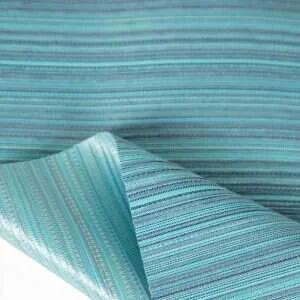
Striped Canvas · Light brown
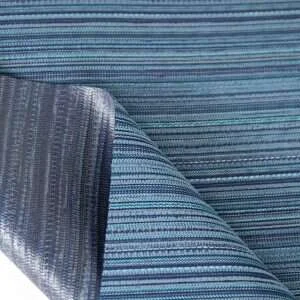
Striped Canvas · Blue
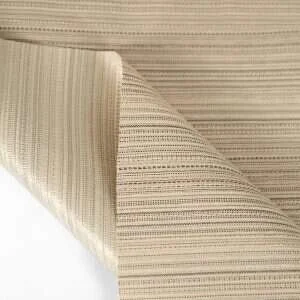
Striped Canvas · Light brown
From the 119-fabric swatch library — free samples ship with every quote.
Frequently asked questions
Can I use a 20 x 20 as a back cushion?
Yes — backs at this size typically run 3.5–5 inches thick. Send the back’s height and thickness and we’ll cut a pad that fills the frame instead of sitting loose.
How long do custom cushions take?
Each order is cut and sewn after you place it — typically 7–14 business days in production, and you receive a confirmation listing every dimension before any fabric is cut.
Should I measure the old cushion or the frame?
The old cushion, flat on a table, edge to edge — it was cut to the frame already. If the pads are gone, measure the seat deck between the frame rails and send us the raw numbers.
Is 20 x 20 the same as a 20 x 20 outdoor cushion?
The cut is the same; the build differs by fabric and duty. This page prices the indoor-oriented square; the outdoor variant is served by the same formula — pick the outdoor fabric tier at checkout or see the 20 x 20 outdoor page.
Can 20 x 20 pads replace bench modules?
Often — bench decks of 40–60 inches divide into 20-inch modules that flip and rotate individually, which extends foam life. The alternative is one joined pad; both are standard builds (see indoor bench cushions).
Can I order a 20 x 20 cushion insert without a cover?
We build complete cushions — foam and cover cut and sewn together — rather than bare inserts. Interior tolerances are the reason: a cover sewn to your dimensions and a foam cut to the same numbers fit each other exactly, which an insert dropped into an existing cover cannot promise.
Where a 20 x 20 seat pad lives indoors
The square that patios claim is arguably busier inside. Dining chairs are the volume case — kitchen and dining-room seats cluster at 16–20 inch squares, and 20 is where American dining frames land when they are not 18. Kitchen islands and peninsula overhangs run 20-inch pads on backless counter stools. Banquettes divide their long decks into seat modules, and 20 inches is the common divisor — a 60-inch nook bench takes three, an 80 takes four, and modularity lets you flip and rotate pads individually, which evens out foam wear across years of breakfasts.
Indoor duty changes two specifications, not the size. Thickness runs thinner than patio deep-seating — 2 to 3 inches, because the table’s height was designed around the frame, not the cushion — and fabric picks shift from weatherproof tiers to the weaves that feel right against skin and clothes: Cotton Linen for kitchen duty, Premium Velvet for the formal room.
New covers or new foam?
Tired seat pads fail in one of two ways, and the fix differs. Covers fade, stain, or split while the foam still springs back — finger-test the center; foam that rebounds was doing its job. Foam compresses and dishes while the cover still looks fine — the sit tells you before the fabric does, a seat that keeps a hollow after you stand.
We cut full cushions — foam and cover sewn as one piece — so a replacement here is both at once, built to the dimensions you send. The honest note on covers-only work: fit depends on seam tolerances against foam we have never handled, and the result is a cover that fits the measurements rather than the cushion inside it. A full pad at your measured numbers removes the guesswork at the same order effort.
