
Custom Futon Cushions, Made to Your Measurements
Factory-direct, cut to your measurements — bi-fold frames, tri-folds, any arm width.
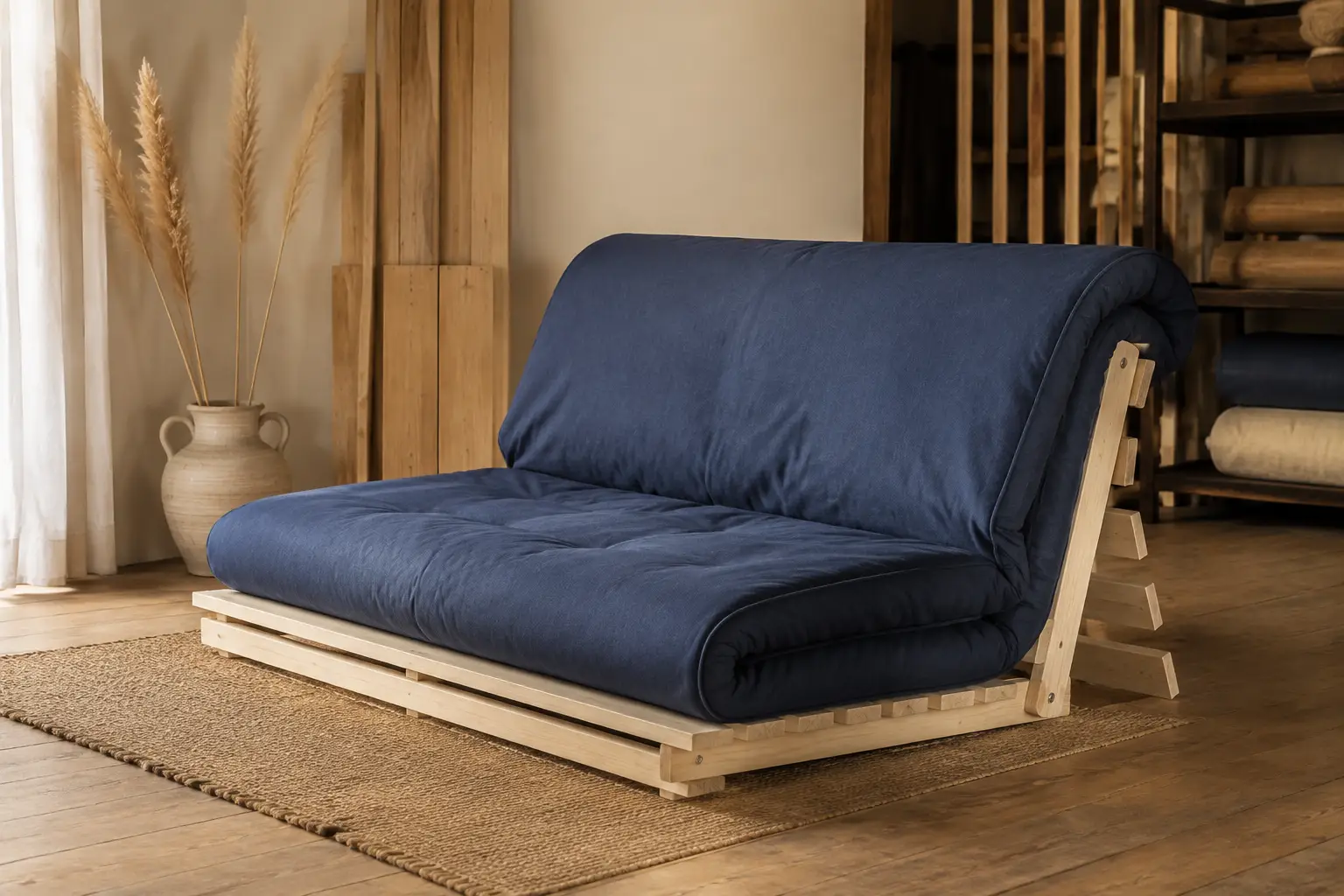
A futon cushion has to do two jobs with one piece of foam: hold up as a couch seat by day and stay comfortable as a bed by night — and fold across a hinge line hundreds of times a year doing it. That fold is where catalog futons fail: the foam work-hardens at the crease first, and after a few seasons the "couch" has a ridge running through the middle of it.
We cut futon mattresses to your frame’s numbers — width between the arms, length front to back, and thickness matched to how the frame folds — in high-density foam that takes sit-and-sleep duty and a crease. Bi-fold frames, tri-fold frames, and the odd hand-built platform all follow the same rule: the frame is the spec sheet, because futon arms wander a full inch either side of the mattress sizes they nominally take.
Build Your Futon Cushion
Build your futon cushion — start with the shape below.
Enter the mattress width and length (width between the arms, minus nothing — we cut to the frame, not to the label), thickness, and fabric tier — then see an instant estimate.
Open the Customizer — Rectangle Preselected →Need a different shape? Start from all 11 shapes →
Pricing — estimated starting at
| Fabric tier | Estimated price* |
|---|---|
| Cotton Linen | $528 |
| Tech Fabric | $559 |
| Premium Velvet | $591 |
*One full futon mattress (54 × 75 × 5 in.): $39 make-base + 28.1 sq ft × rate ($17.38/$18.49/$19.62 per sq ft, 5" 50D foam + fabric). Twin and chair sizes cost less; heavier futon gauges (6–8") run higher on depth. Every dimension is confirmed before we cut.
For comparison: U.S. custom-configurator specialists’ 2026 listings run made-to-order futon mattresses well above formula price once configured — and most only reveal that number after a quote request. We publish the formula above so you can check the math before you order.
Popular Futon Sizes We Cut
Futon sizes are mattress sizes — but the frame’s arms get the final vote (typical, always measure):
| Piece | Typical size | Notes |
|---|---|---|
| Chair futon | 28 × 54 to 39 × 54, 5–6" | The apartment-size folder; widest frame variance |
| Twin futon | 39 × 75, 5–7" | Sleeps one honestly; see daybed cushions for the non-folding cousin |
| Full / double futon | 54 × 75, 6–8" | The American default; sleeps two |
| Queen futon | 60 × 80, 6–8" | Needs a tri-fold or wide bi-fold frame |
| Thickness by duty | 5–6" sit-primary, 6–8" sleep-primary | Every inch of thickness is an inch of sleep comfort and an inch of couch height |
Widths past 54 inches meet the fabric-bolt width (54 in.), so queen futons get a planned seam — the same bolt math as daybed cushions.
Yours differs? That’s the point — we cut to your numbers.
How to Measure a Futon Cushion
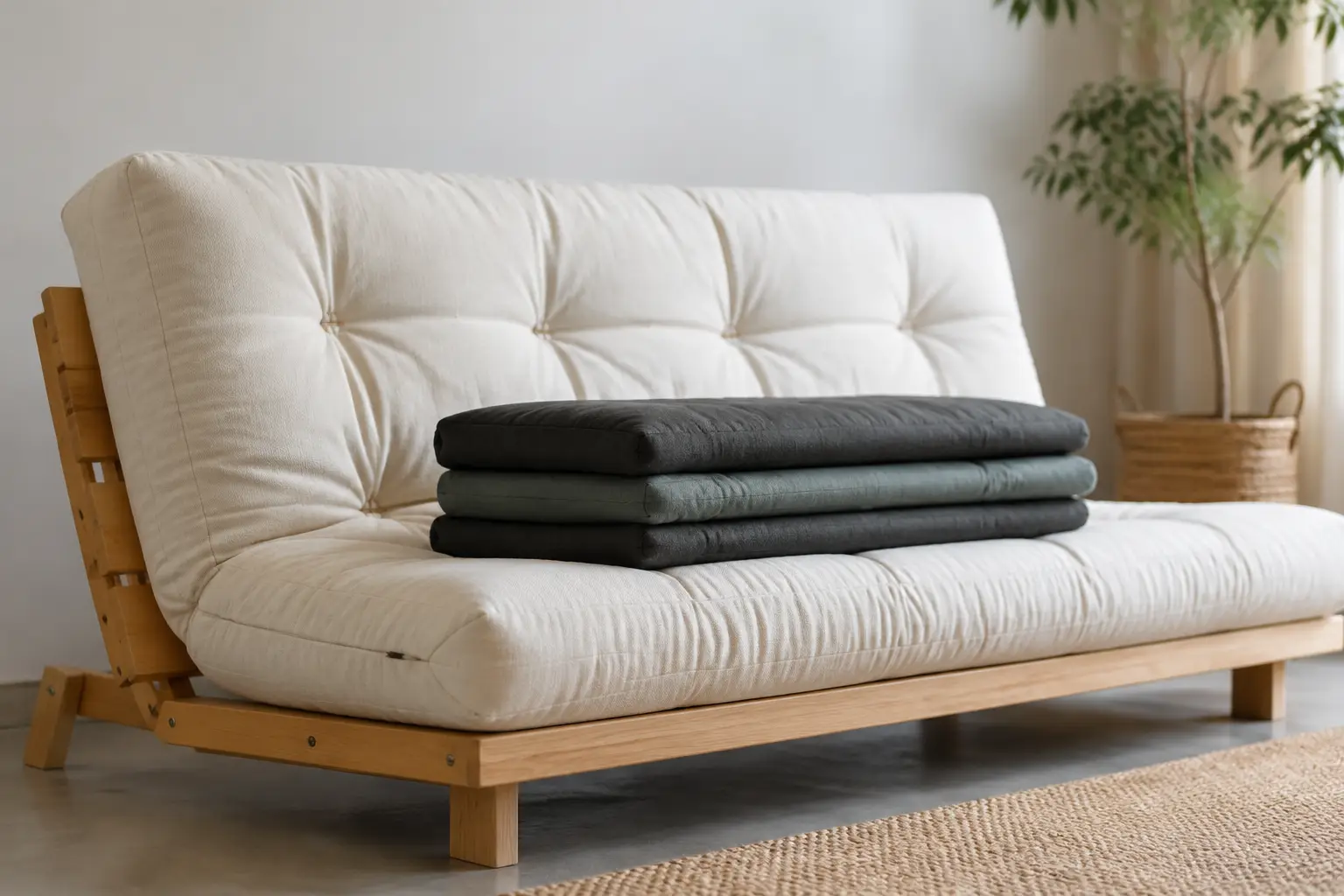
- Measure between the arms at the front and the back — futon arms wander out of square, and the mattress must clear both readings. That number, not the size word on the box, is your width.
- Length front-to-back with the frame flat in bed mode: the deck, not the old mattress, which has usually shrunk and bowed.
- Find the fold before picking thickness: a bi-fold creases once across the width, a tri-fold twice. Thicker mattresses fold harder — check the frame’s clearance in couch mode before choosing 8 inches.
- Sleep-primary futons want 50D–60D; a futon used nightly as a bed is a mattress with a hinge, and light foam dishes at the fold line first.
Full walkthrough with photos: our measuring guide.
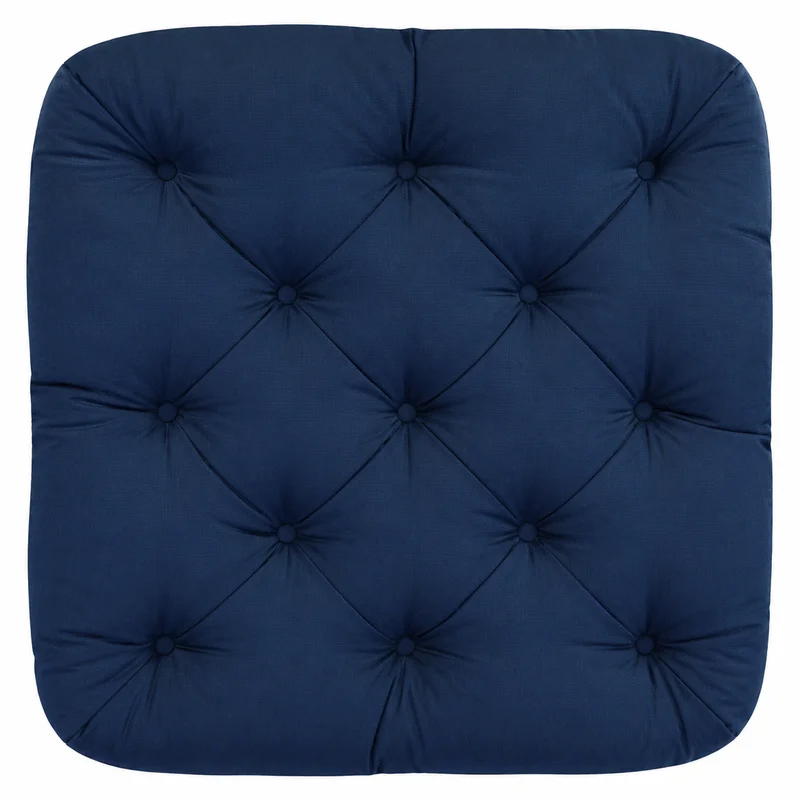
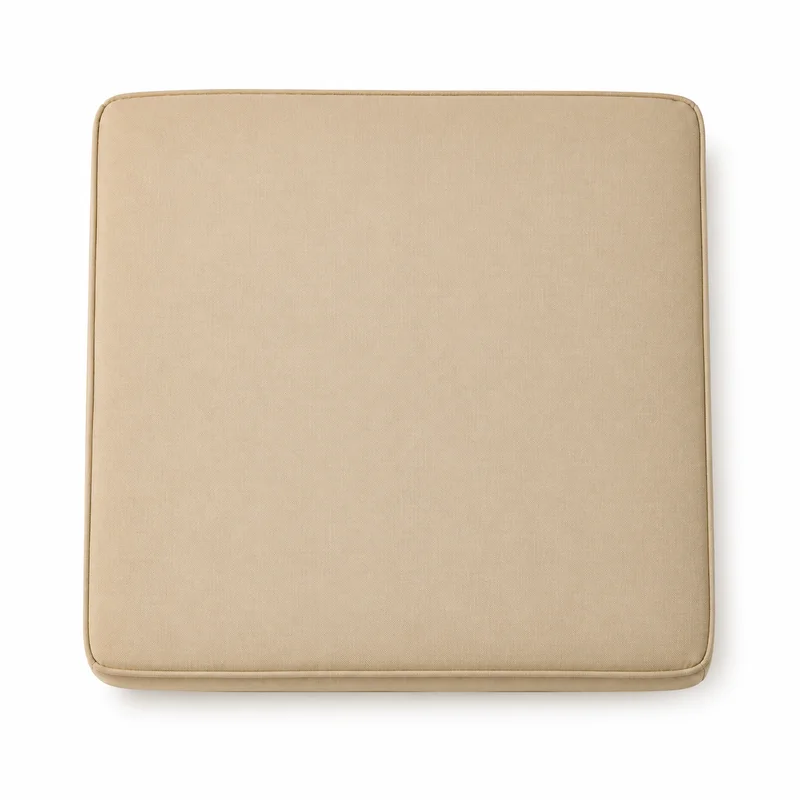
Build details — sewing style and fastening options confirmed with your dimensions before cutting.
Fill for the Fold, Fabric for the Room
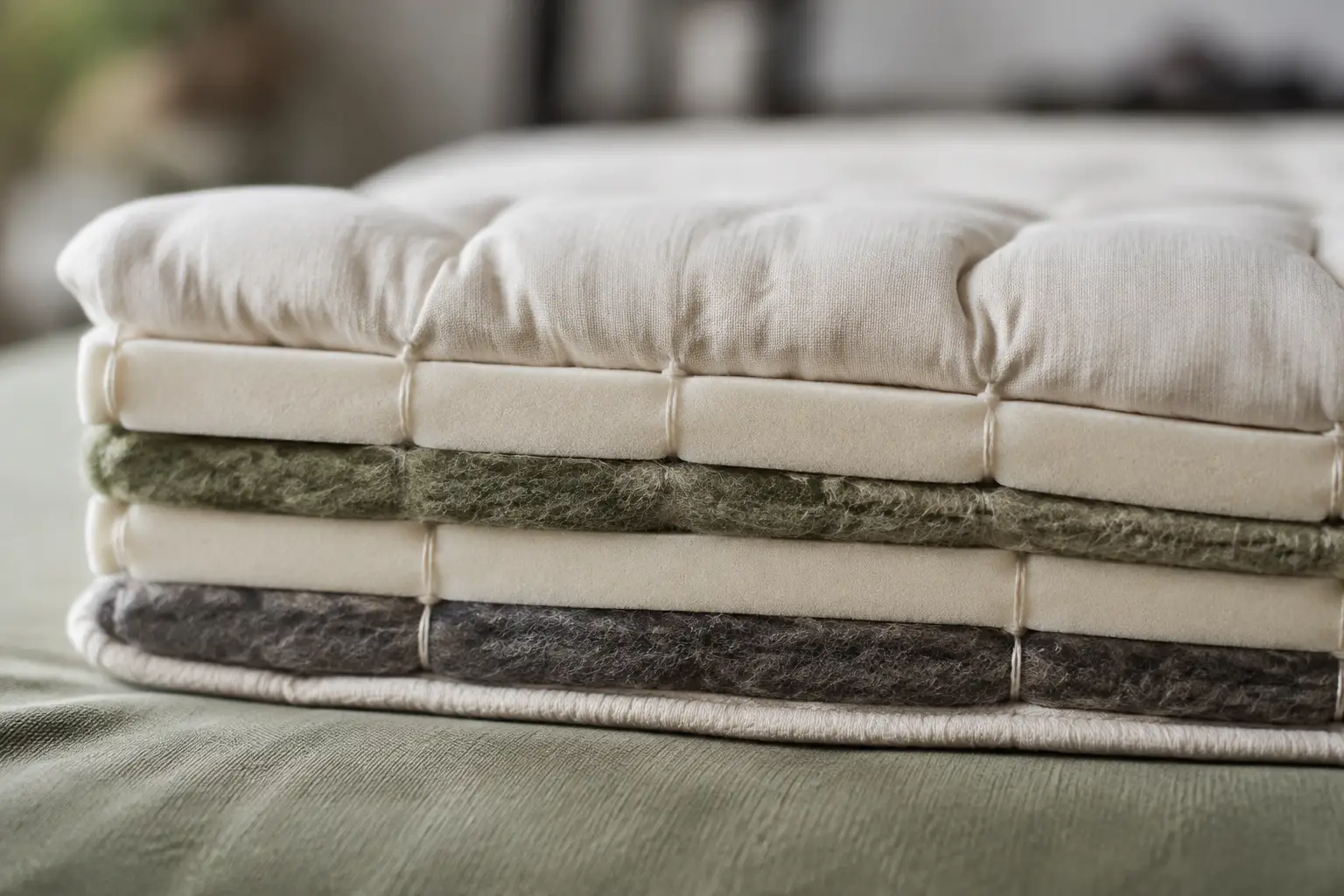
The fill is the whole futon decision: nightly sleep duty wants 50–60D high-density foam at 6–8 inches — the density logic is unpacked in our high density foam guide — where thin catalog futons are flattened filler by year two. Fabric follows the room: cotton linen is the breathable classic for a futon that reads as furniture; tech fabric wipes clean of the couch-duty spills; premium velvet takes the guest-room version in style.
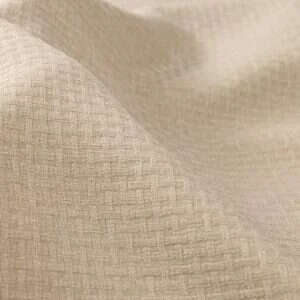
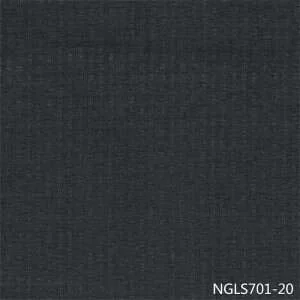
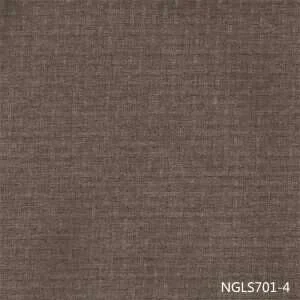
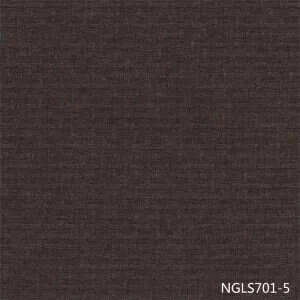
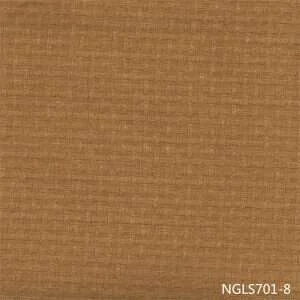

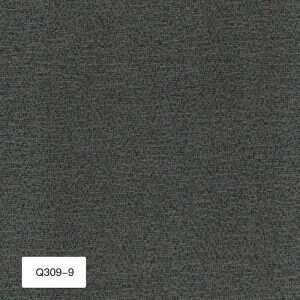
Seven of the 119 fabrics in the swatch library — free samples ship with every quote.
Frequently asked questions
Do you sell standard futon cushion sizes?
Standard sizes too — in 3 clicks: futons run true mattress sizes — twin 39 × 75, full 54 × 75, queen 60 × 80 — and typing those numbers into the customizer gets the same instant factory-direct quote. Nothing is warehoused, so no size is ever out of stock; the arm-to-arm measure is still worth two minutes.
What thickness should a futon cushion be?
5–6 inches if the futon is sat on more than slept on; 6–8 inches if it is a real bed. Thicker sleeps better and folds harder — check the frame’s couch-mode clearance before committing to 8.
Can I use a regular mattress on a futon frame?
You can place one; it will not fold, and the frame’s whole mechanism expects a mattress built to crease. A futon cushion is a mattress with a hinge — foam grade and thickness chosen so the fold line survives.
How do I measure a futon for a replacement mattress?
Width between the arms (front and back — arms wander), length of the deck flat in bed mode, and the fold count of the frame. The size word on the old label is a rumor; the frame is the spec sheet.
Why does my futon have a ridge in the middle?
The fold line work-hardened — foam fatigues first where it creases, and thin futons get there in a couple of seasons. Rotation buys months; when the ridge stays after rotating, new foam is the fix.
Made by the factory that ships them
- Outdoor cushion factory for 10+ years — we cut, fill, and sew every order ourselves.
- Every dimension you send is re-checked before a single yard of fabric is cut.
- Made-to-order means any fabric, any piece, no minimum.
- Cut to ± ½ inch of your confirmed dimensions, in writing — outside tolerance, remade free.
Related categories
- Daybed Cushions — the non-folding mattress-duty cousin
- Sofa Cushions — block-by-block builds for couch-primary frames
- Floor Cushions — floor seating at pillow scale
Further reading from the blog
- Daybed cushions: the complete guide — mattress-scale sizing and foam grades — the logic transfers
- High density foam couch guide — what density actually means for sleep duty
- Sofa foam cut to size — ordering exact-fit foam alone
