
Custom Bench Cushions, Made to Your Measurements
Factory-direct, cut to your measurements — hallway, storage, window and garden benches.
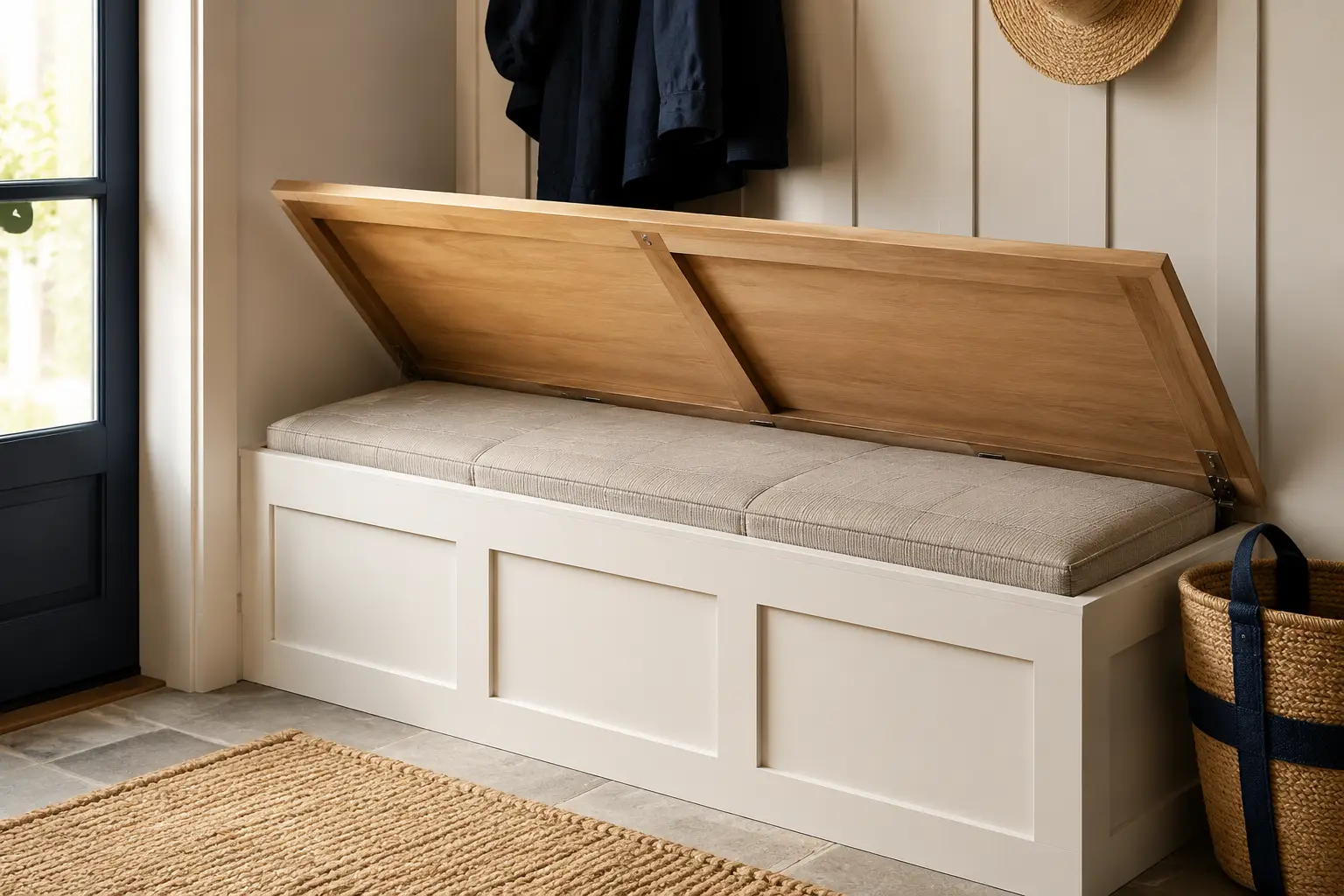
The bench is furniture’s most honest piece: a long flat deck that gets sat on, stood on, and used as a shelf. Hallway benches at the door, storage benches with hinged lids, dining benches at the table, garden benches out in the weather — all of them share one geometry, the long deck, and one fate: the frame lasts decades and the bench cushion dies in three springs. The replacement aisle answers with three universal lengths that fit none of them exactly.
This page is the hub for the whole bench family. Indoor benches and outdoor benches live in different fabric worlds — the collections below branch to whichever side of the door yours lives on — and storage benches get their own section, because a hinged lid changes the job. Every build is the same factory answer: measure the deck, pick the fabric tier, and we cut, fill and sew a custom bench cushion to your numbers.
Build Your Bench Cushion
Build your bench cushion — start with the shape below.
Most benches take a rectangle — long decks 36–72 inches — but nooks and corner benches cut L-shapes, and curved garden benches want their own template. Pick a shape, enter your measurements, and see an instant estimate.
Hallway, storage, window, garden — every bench is the same job: pick a shape and type your numbers.
Pricing — estimated starting at
| Fabric tier | Estimated price* |
|---|---|
| Cotton Linen | $131 |
| Tech Fabric | $138 |
| Premium Velvet | $144 |
*One 4-ft bench pad (48 × 18 × 3 in.): $39 make-base + 6.0 sq ft × rate ($15.32/$16.43/$17.56 per sq ft, 3" 50D foam + fabric). Longer 5-ft and 6-ft runs price on their own area at the same formula — every bench, one calculator.
For comparison: big-box replacement bench pads run $20–$60 in three fixed lengths — thin fiber fills that flatten inside a season. We publish the formula above so you can check the math before you order.
Popular Bench Sizes We Cut
Common bench decks and their typical sizes (typical, always measure):
| Bench | Typical size | Notes |
|---|---|---|
| Entryway / hallway bench | 36–48 × 14–16, 2.5–3" | The mudroom workhorse; wants ties or anti-slip near the swinging door |
| Storage bench (hinged lid) | 30–48 × 14–18 | Measure the opening, not the lid — the storage section below |
| Dining / banquette bench | 42–72 × 16–18 | Banquette cushions — usually seat plus back sets |
| Window bench | 36–72 × 16–24 | Window seat cushions; bays cut in wedges |
| Garden / patio bench | 4–6 ft × 16–18 | Outdoor bench cushions — the weatherproof build |
| Church pew | 8 ft+ runs | Church pew cushions — the long-run special case |
Yours differs? That’s the point — we cut to your numbers.
How to Measure a Bench Cushion
- Measure the deck, not the old pad — width and depth edge to edge to the nearest quarter inch; on benches that taper, record front and back widths separately.
- Check what the bench does before picking thickness: hinged lids, arms and seat height limits decide it — a lid that won’t close is a thickness problem, not a width problem.
- Note the fastening with the measurements — slat gaps take tie-throughs, solid decks take anti-slip undersides, and hallway benches near doors want both.
- Full runs: matched benches leave the factory with the same loft and the same dye lot — measure one, then count.
Full walkthrough with photos: our measuring guide.
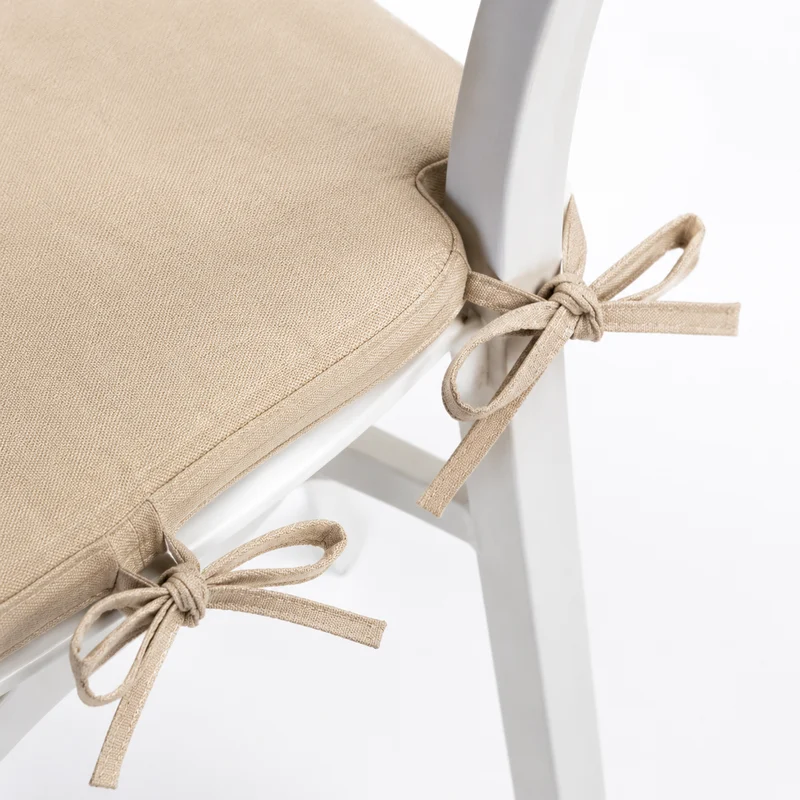
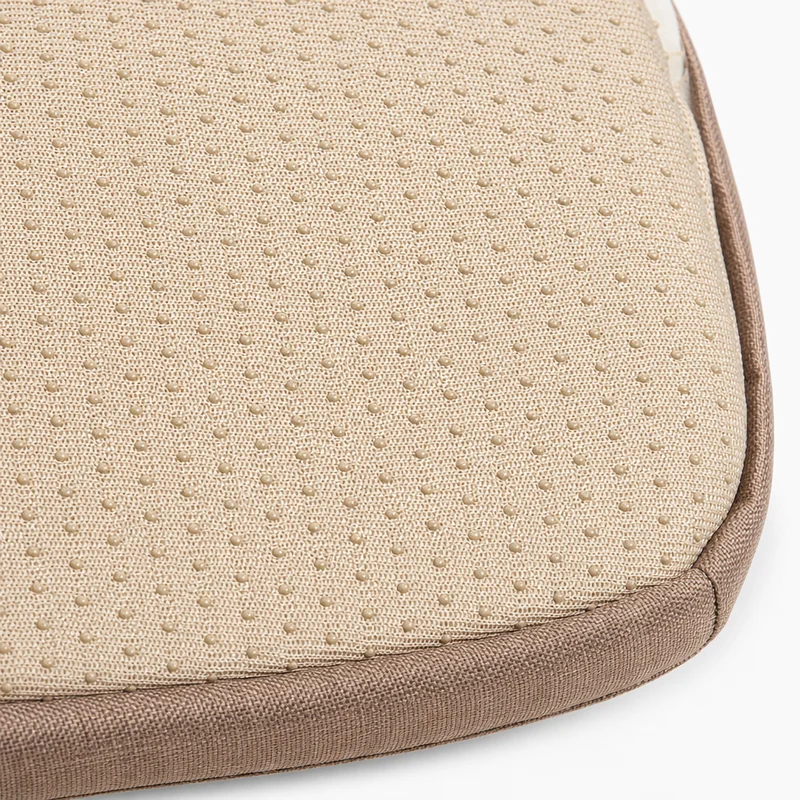
Build details — sewing style and fastening options confirmed with your dimensions before cutting.
One Bench, Two Fabric Worlds
An entryway bench lives a sheltered life; a garden bench lives in the rain. The deck geometry is identical, which is why this page is one hub — but the fabric tier is where the branches split. Indoor benches run cotton linen, velvet and knit grades; outdoor benches want a weatherproof woven over a vented core. The tier-by-tier difference is laid out in our fabric guide.
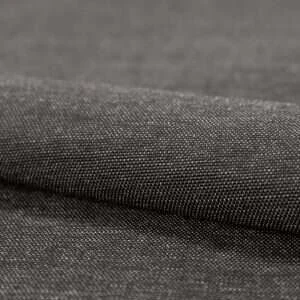
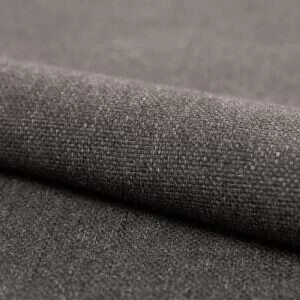
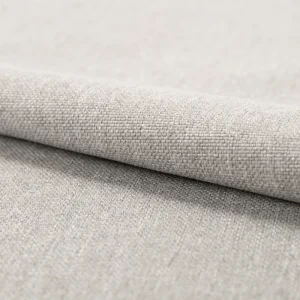
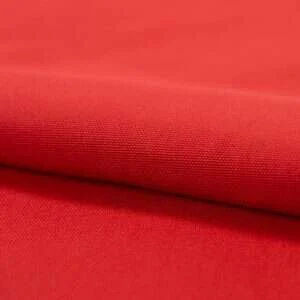
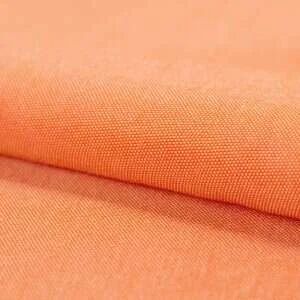
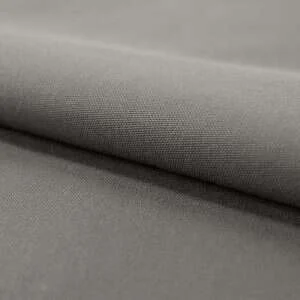
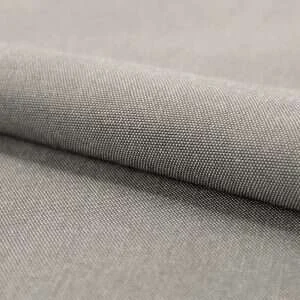
Seven of the 119 fabrics in the swatch library — free samples ship with every quote.
Storage Bench Cushions
- Measure the opening, not the lid. Hinged-lid storage benches close on a lip or rim, and the pad sits inside it — a cushion cut to the lid’s full width jams the hinge side and gaps the opening side. Width and depth come from the inside walls, edge to edge.
- Thickness is a lid-clearance decision. The lid has to latch with the pad in place: most storage benches take 2–3 inches happily and fight at 4. If the old pad was thinner than you’d like, that number was set by the lid, not by comfort.
- Daily duty is the real spec. A storage bench opens several times a day and gets sat on every time someone puts shoes on — the 50D grade holds that rhythm, with ties at the hinge side and an anti-slip underside for the human side.
- Closed boxes trap moisture. A foam core breathes and dries better than a fiber batt, and it doesn’t take on the musty smell fiber pads hold inside a sealed bench — the same vented-core logic as outdoor builds.
The hinged-lid job is its own discipline inside the bench family — the indoor bench page carries the full indoor build and fabric pool.
Bench Collections
Frequently asked questions
Do you sell standard bench cushion sizes?
Standard sizes too — in 3 clicks: 4-ft decks run about 48 × 18 × 3 and 5-ft about 60 × 18 × 3, so if your deck matches a common length, type the numbers into the customizer for the same instant factory-direct quote. Nothing is warehoused, so no length is ever out of stock.
What size cushion fits a storage bench?
Measure the inside walls of the opening, not the lid — typically 30–48 inches by 14–18 — and keep thickness at 2–3 inches so the lid still latches. A pad cut to the lid’s full width jams the hinge side.
Can I use an outdoor bench cushion indoors?
Yes — the weatherproof wovens are simply tougher than an indoor bench needs. The reverse fails fast: an indoor cotton pad left on a garden bench fades and soaks through in one season.
How do I keep a bench cushion from sliding?
Ties through the slat gaps where the deck has them, an anti-slip underside where it is solid, and both on hallway benches that get bumped daily. Every fastening option is confirmed with your dimensions before cutting.
How thick should a bench cushion be?
2.5–3 inches is the standard bench build — enough loft to sit on without lifting knees past the table edge. Storage benches are lid-limited at 2–3 inches; deep garden benches take 4–5 where the frame allows.
Can one order cover indoor and outdoor benches?
Yes — one order mixes every bench in the house and the garden, each piece priced on its own area, and pieces sharing a fabric tier ship from the same dye lot.
Made by the factory that ships them
- Outdoor cushion factory for 10+ years — we cut, fill, and sew every order ourselves.
- Every dimension you send is re-checked before a single yard of fabric is cut.
- Made-to-order means any fabric, any piece, no minimum.
- Cut to ± ½ inch of your confirmed dimensions, in writing — outside tolerance, remade free.
Related categories
- Indoor Bench Cushions — entryway, mudroom and storage decks
- Outdoor Bench Cushions — garden benches out in the weather
- Window Seat Cushions — the built-in long deck
Further reading from the blog
- Bench cushion measurements — the long-deck measuring method
- How to measure an L-shaped bench cushion — nooks and corner benches
- Extra-long bench cushions — six-foot-plus runs
